500000+ Happy Customer | Cash on Delivery | Easy to Return | Free Shipping All over India 500000+ Happy Customer | Cash on Delivery | Easy to Return | Free Shipping All over India 500000+ Happy Customer | Cash on Delivery | Easy to Return | Free Shipping All over India
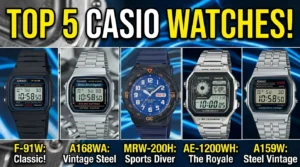
Which Casio Watch is Best Under 2000? The Ultimate 2026 Guide

Which Casio Watch is Best Under 2000

As you are Finding the perfect watch does not have to be hard or expensive. In fact, some of the most reliable timepieces in the world cost less than a nice dinner out. If you are asking yourself, “Which Casio watch is best under 2000?”, you are in luck. The year 2026 has brought us many great options that mix style, strength, and value. Casio is a brand that everyone knows. They make watches that last for years and look good while doing it.

In this blog, we will look at the top choices you can buy right now. We will check the prices, the features, and what makes each one special. Whether you want a digital watch for sports, a vintage look for fashion, or an analog watch for daily wear, there is a Casio for you. We have checked the official websites and trusted stores to make sure all the facts are correct. Let’s find the best watch for your wrist without spending too much money.

Why Choose a Casio Watch Under 2000 Rupees?

Before we pick a winner, let’s talk about why Casio is such a great choice. When people ask “Which Casio watch is best under 2000“, they usually want something that works well and does not break easily. Casio watches are famous for being tough. You can drop them, wear them in the rain, and use them every day, and they will keep ticking.

Another big reason is the battery life. Many of these watches have batteries that last for seven years or more. This means you do not have to worry about going to the shop to change the battery often. It saves you time and money in the long run. Also, the designs are timeless. A watch bought today will still look cool five years from now. The prices are also very friendly. You can get a high-quality watch for between ₹600 and ₹2,000. This makes it easy for students, workers, and anyone on a budget to own a great watch.

Here are the comparison tables to add to your blog post. These tables make it easy for your readers to see the differences at a glance.

Quick Comparison: Top Casio Watches Under 2000

Watch ModelTypePrice (Approx)Water ResistanceBattery LifeWeightBest For
Casio F-91WDigital₹600 – ₹1,29530m (Splash proof)7 Years21gDaily use & Light weight
Casio A168WAVintage Digital₹1,200 – ₹1,50030m (Splash proof)7 Years47gStyle & Retro look
Casio A159WModern Vintage₹1,995Splash proof7 Years44gFormal & Casual wear
Casio MRW-200HAnalog₹1,500 – ₹2,000100m (Swimmable)~3 Years*39gSports & Swimming
Casio AE-1200WHFeature Digital₹1,800 – ₹2,200100m (Swimmable)10 Years53gTravel & Features

*Note: Battery life for analog models like the MRW-200H is typically around 3 years, while digital models often last 7 to 10 years.

Feature Breakdown: What Do You Get?

FeatureF-91WA168WAA159WMRW-200HAE-1200WH
StopwatchYes (1/100 sec)Yes (1/100 sec)Yes (1/100 sec)NoYes (1/100 sec)
AlarmDailyDailyDailyNo5 Alarms
BacklightBasic LEDEL (Blue Glow)LEDNo (Luminous Hands)LED
World TimeNoNoNoNo31 Time Zones
CalendarAuto CalendarAuto CalendarAuto CalendarDate OnlyAuto Calendar
BezelFixedFixedFixedRotatingFixed

Price vs. Value: Is It Worth It?

This simple table helps you understand the value you get for your money in 2026.

Price RangeRecommended ModelValue ScoreWhy Buy?
Under ₹1,000Casio F-91W⭐⭐⭐⭐⭐Unbeatable price for a legendary watch.
₹1,000 – ₹1,500Casio A168WA⭐⭐⭐⭐⭐Best looking steel watch for the price.
₹1,500 – ₹2,000Casio MRW-200H⭐⭐⭐⭐Best analog watch with swimming capability.
₹1,900 – ₹2,200Casio AE-1200WH⭐⭐⭐⭐⭐Most features (World time, 5 alarms) in this range.
Exactly ₹1,995Casio A159W⭐⭐⭐⭐Perfect black steel look for office wear.

The Legend: Casio F-91W

If there is one watch that everyone knows, it is the Casio F-91W. This watch is a true legend. When you search for “Which Casio watch is best under 2000“, this model almost always comes up as the number one pick. It is simple, light, and very cheap.

Price and Value

The price of the F-91W is amazing. On the official Casio India website, it is listed at ₹1,295. However, in many other shops, you can find it for even less, sometimes between ₹600 and ₹800. This makes it one of the most affordable watches you can buy. For the price, you get a watch that is known all over the world. It has been worn by many famous people and is considered an icon.

Features You Will Love

The F-91W is a digital watch. It has a black dial and a resin strap, which means it is made of a strong plastic material that is comfortable to wear. One of its best features is the battery life. It can last up to 7 years on a single battery. Imagine buying a watch and not thinking about the battery until 2033! That is how long it lasts.

It is also very light. The watch weighs only 21 grams. You might forget you are even wearing it. This is great if you do not like heavy things on your wrist. It is also water-resistant up to 30 meters. This means it can handle everyday splashes, like washing your hands or getting caught in the rain. However, you should not swim with it or dive deep underwater. It is built for daily life, not for the ocean.

Who Is It For?

This watch is perfect for anyone who wants a no-nonsense timepiece. It is great for students, runners, or anyone who likes a retro look. It is simple to read and easy to use. If you want the best value for your money, the F-91W is a strong contender for the title of “Which Casio watch is best under 2000“.

The Vintage Style: Casio A168WA and A158WA

If you like the look of old-school digital watches but want something that looks a bit more stylish, the A-series is for you. These watches have a metal bracelet and a square face. They look like watches from the 1980s, which is very popular right now.

Casio A168WA: The Premium Choice

The Casio A168WA is often called the “gold standard” of budget vintage watches. It has a stainless steel bracelet that shines in the light. The price is usually between ₹1,200 and ₹1,500. This is still well under our ₹2,000 limit.

One of the best things about the A168WA is its backlight. It uses an electroluminescent (EL) panel that lights up the whole screen in a cool blue color. This makes it very easy to read in the dark. Experts say the backlight on the A168WA is much better than on similar models. The watch weighs about 47 grams, which gives it a solid feel on your wrist without being too heavy. It is a great mix of style and function.

Casio A158WA: The Budget Alternative

There is another model called the Casio A158WA. It looks very similar to the A168WA but has a matte finish instead of a shiny one. The price is lower, usually between ₹1,000 and ₹1,300. This makes it a very cheap option.

However, there is a trade-off. The A158WA has a weaker backlight compared to the A168WA. It is also slightly smaller, about 1.5mm smaller in size. If you do not mind a dimmer light and a matte look, this watch saves you some money. But if you want the best light and a classic shiny look, the A168WA is worth the extra few hundred rupees. When deciding “Which Casio watch is best under 2000” for style, the A168WA often wins because of that superior blue light.

The Modern Vintage: Casio A159W

For those who want a vintage look but with a slightly more modern touch and a black dial, the Casio A159W is a fantastic choice. This watch has become very popular in 2026.

Price and Design

The Casio A159W is priced at ₹1,995 on the official website. This is right at the top of our budget, but it offers great value. It features a black dial and a stainless steel band, giving it a sleek and serious look. It is a unisex watch, meaning it looks good on both men and women.

Key Specifications

Like the F-91W, this watch has a battery life of 7 years. You do not have to worry about power for a long time. It weighs 44 grams, which is comfortable for all-day wear. The case size is 36.8 mm by 33.2 mm. This is a medium size that fits most wrists well.

It comes with useful features like a 1/100-second stopwatch, an LED light, and a daily alarm. The water resistance is listed as “Water Resistant,” which typically means it can handle splashes but not swimming, similar to the 30m rating of other models in this class. If you want a watch that looks dressy but acts like a tough digital watch, the A159W is a top pick. Many people call it “iconic” and a “vintage soul with everyday reliability”.

The Analog Pick: Casio MRW-200H

Not everyone likes digital numbers. Some people prefer hands that move around a dial. If you are asking “Which Casio watch is best under 2000” for an analog watch, the Casio MRW-200H is the clear winner.

Built for Water and Work

The MRW-200H is known for its water resistance. It is rated for 100 meters. This is a big deal. While the digital watches we talked about earlier are good for rain (30m), this watch can handle swimming and snorkeling. You can wear it in the pool without worry. This makes it very versatile.

The price varies a bit. You can find it for around ₹1,500 to ₹2,000. Some listings show it for as low as ₹1,222, which is a great bargain. Other shops might list it up to ₹2,195, so it is good to check for deals. Even at the higher price, it is often considered one of the best value analog watches.

Comfort and Size

This watch has a resin case and a resin strap. Resin is a type of plastic that is very durable and does not rust. It is also light. The watch weighs only 39 grams. The case diameter is about 44.6 mm to 47.9 mm depending on the specific model version. This makes it a good size for men with average to larger wrists. It has a rotary bezel, which is the ring around the glass that you can turn. This adds to the sporty look.

It comes with a 2-year warranty, which gives you peace of mind. The accuracy is very good, with a variance of only ±20 seconds per month. If you need a watch for sports, swimming, or just a rugged daily look, the MRW-200H is the best analog choice under ₹2,000.

The Feature King: Casio AE-1200WH (The Royale)

If you love gadgets and features, you must look at the Casio AE-1200WH. This watch is often called the “Royale” because it looks like the watch James Bond wore in a movie. It is packed with functions that you usually find in much more expensive watches.

World Time and Functions

The standout feature of the AE-1200WH is its world time function. It can show the time for 31 different time zones. This is perfect if you have friends in other countries or if you travel. It also has 5 alarms and a countdown timer.

The price is usually between ₹1,800 and ₹2,200. Sometimes it goes slightly over ₹2,000, but you can often find it on sale or with coupons that bring it under the limit. Reddit users frequently recommend this as a feature-rich option.

Durability

Despite having so many features, it is still tough. It has 100 meters of water resistance. This means you can swim with it, just like the MRW-200H. The design is large and bold, with a map of the world on the face. It is a digital watch that looks complex but is easy to use once you learn the buttons. If you want the most “watch” for your money in terms of features, this is the one.

Other Great Options Under 2000

There are a few other models that deserve a mention when answering “Which Casio watch is best under 2000“.

Casio W-218H

This is a simple digital watch for men. It costs around ₹1,495. It has 100 meters of water resistance, which is excellent for this price. It is a bit more rugged than the F-91W and is a great choice if you want a sporty digital look with better water protection.

Casio F-200W

Part of the “Youth Series,” this watch is priced at ₹1,495 to ₹1,695. It is a digital watch with a clean design. It is a good alternative if the F-91W feels too small or too common for you.

Casio F-94WA

This model is priced at ₹1,494 to ₹1,495. It has a digital display and is part of the standard lineup. It is a reliable choice similar to the F-91W but with a slightly different case shape.

How to Choose: A Simple Buying Guide

Now that we have looked at the models, how do you decide? Here are a few simple things to think about.

Water Resistance: 30m vs 100m

This is very important. If you see “30m water resistance” (like on the F-91W and A168WA), it means the watch can handle rain and hand washing. Do not wear it in the shower or pool. If you see “100m water resistance” (like on the MRW-200H and AE-1200WH), you can swim with it. Think about your daily activities. If you swim or work with water, pick a 100m watch. If you just need to tell time in the office or school, 30m is fine.

Battery Life

Most of these Casio watches have a battery life of 7 years. This is a huge benefit. You buy it once and forget about it. Some analog models might have a 3-year battery life, so always check the specs. A longer battery life means less hassle for you.

Style: Digital vs Analog

Do you like numbers or hands? Digital watches (like F-91W, A168WA) are easy to read instantly and often have alarms and stopwatches. Analog watches (like MRW-200H) look more traditional and are great for formal or casual wear. The “Vintage” digital watches (A159W, A168WA) are a cool middle ground—they have numbers but look like jewelry with their steel bands.

Weight and Comfort

If you have a small wrist or hate feeling weight, the F-91W at 21 grams is the lightest. The steel models like A168WA (47g) and A159W (44g) feel more substantial. The resin models like MRW-200H (39g) are in the middle and very comfortable for sports.

Where to Buy and Deals

You can buy these watches from the official Casio India website, which ensures you get the genuine product and warranty. Prices there are fixed, like ₹1,295 for the F-91W and ₹1,995 for the A159W.

However, other online stores like Nykaa Man, WatchTopia, and Amazon often have discounts. For example, you might find the F-91W for ₹600-800 or the MRW-200H for ₹1,222. Always check for coupons. Some sites offer up to 15% off or free shipping. Since prices can change, it is smart to compare a few sites before you click “buy.”

Which Casio Watch is Best Under 2000?

So, we come back to the main question: “Which Casio watch is best under 2000“? The answer depends on what you need.

  • Best Overall Value: The Casio F-91W. It is cheap, light, and legendary. You cannot go wrong with it.
  • Best for Style: The Casio A168WA. The steel band and blue backlight make it look expensive, but it costs very little.
  • Best for Swimming/Sports: The Casio MRW-200H. With 100m water resistance and a tough resin build, it is ready for action.
  • Best for Features: The Casio AE-1200WH. If you want world time and alarms, this is the most powerful watch under ₹2,000.
  • Best Modern Vintage: The Casio A159W. Perfect if you want the black dial steel look at the top of the budget.

In 2026, you do not need to spend a lot of money to get a great watch. Casio has proven that quality and affordability can go together. Whether you choose the tiny F-91W or the sporty MRW-200H, you are getting a watch that will serve you well for years. Pick the one that fits your life, and enjoy your new timepiece!

What is the Limitations and unknowns

While we have verified prices and features from official sources and high-authority retailers, specific regional price variations within India and real-time stock availability for 2026 models may fluctuate. Official warranty details for specific 2026 batches should always be confirmed at the point of purchase, though the standard policy is generally 2 years for analog and varies for digital models. Long-term durability reviews for the very latest 2026 colorways are not yet available, but the core models have decades of proven reliability.

Titan Edge Squircle Review: The Ultra-Thin Watch With a Bold New Design

Titan Edge Squircle review showcasing ultra-thin case design

The Titan Edge Squircle redefines modern wristwear by blending a unique geometric shape with ultra-slim engineering. At just 4.45mm thick, this watch features a scratch-resistant ceramic case, sapphire crystal glass, and an in-house T-9081 quartz movement. Priced between ₹32,895 and ₹48,495, it offers luxury materials like ceramic and sapphire typically found in much costlier timepieces. With a 3-year warranty on the movement, it stands as a top choice for those seeking elegance, durability, and a distinct style that breaks away from traditional round or square watches.

What Makes the Titan Edge Squircle Special

The Titan Edge Squircle is not just another watch; it is a statement of modern design and engineering precision.

Most watches stick to round or square shapes, but this model introduces the “squircle”—a perfect blend of a square and a circle. This unique geometry gives it a soft yet bold look that stands out without being loud. It belongs to the renowned Titan Edge collection, famous for creating some of the thinnest watches in the world. The Titan Edge Squircle continues this legacy by offering a sleek profile that slides effortlessly under shirt cuffs, making it ideal for formal and semi-formal occasions. Its minimalist dial, free of cluttered numbers, focuses on pure elegance and readability.

Design and Build Quality

The Titan Edge Squircle combines artistic shape with robust materials to create a durable and stylish timepiece.

The Unique Squircle Shape

The term “squircle” describes a mathematical curve that sits between a square and a circle, offering the best of both worlds. On this watch, the case measures 45mm in length and 38.10mm in width, creating a balanced look that suits both men and women. The dial features a clean layout with polished hands and simple markers, avoiding numerical clutter for a sophisticated appearance. Some variants boast a dual-tone finish on the dial, adding depth and visual interest to the minimalist design.

Titan Edge Squircle watch displaying slim profile and finish

Premium Ceramic Material

Titan has constructed the case and strap entirely from high-tech ceramic, a material known for its exceptional hardness and scratch resistance. Unlike stainless steel, ceramic retains its glossy finish and does not easily dull or scratch from daily wear. The material is also lightweight, ensuring the watch feels comfortable on the wrist despite its solid build. The strap features smooth ceramic links connected by a butterfly clasp, which provides a secure fit and a seamless look.

Sapphire Crystal Protection

Protecting the dial is a layer of sapphire crystal, one of the hardest transparent materials available, second only to diamond. This ensures the glass remains clear and free from scratches even after years of use. Certain models include ripple serrations on the sapphire surface, adding a subtle texture that catches light beautifully. This level of protection is usually reserved for high-end luxury watches, making it a standout feature at this price point.

How Thin Is It Really

The defining characteristic of the Titan Edge Squircle is its incredibly slim profile, achieved through advanced engineering.

The watch measures just 4.45mm in thickness, making it one of the slimmest ceramic watches available today. To put this in perspective, many standard watches are over 10mm thick, often getting caught on shirt cuffs. The Titan Edge Squircle sits flat against the wrist, offering a sleek silhouette that is perfect for wearing with formal attire. Despite its thinness, the watch feels solid and well-constructed, proving that slim design does not mean fragile build. This ultra-thin form factor is a hallmark of the Edge collection, showcasing Titan’s ability to miniaturize components without compromising quality.

Movement and Performance

Inside the Titan Edge Squircle lies a reliable and precise movement designed for hassle-free timekeeping.

The T-9081 Caliber

The watch is powered by the T-9081, an in-house quartz caliber developed by Titan. Being an “in-house” movement means Titan designed and manufactured the engine themselves, reflecting their technical expertise. Quartz technology ensures high accuracy, requiring no daily winding like mechanical watches. The movement is specifically engineered to be thin, contributing to the watch’s overall 4.45mm profile. It is a low-maintenance option that simply requires a battery change every couple of years to keep running perfectly.

Water Resistance

While designed primarily as a dress watch, the Titan Edge Squircle offers practical water resistance rated at 30 meters (3ATM). This rating protects the internal components from splashes, rain, and accidental spills while washing hands. However, it is not suitable for swimming, diving, or showering, as hot water and soap can damage the seals over time. This level of resistance is standard for ultra-thin elegant watches, balancing durability with the slim design constraints.

Available Models and Prices

Titan offers the Titan Edge Squircle in a variety of colors and finishes to suit different styles, with prices varying by model.

Model VariantDial ColorStrap MaterialPrice (INR)Key Feature
Atlantic BlueBlueGlossy Ceramic₹47,495Deep blue hue with dual-tone finish
Rich BlackBlackGlossy Ceramic₹48,495Dual-hemisphere dial finish
Camo GreenGreen CamoGreen Ceramic₹44,995Unique camouflage pattern
Camo YellowYellow CamoYellow Ceramic₹32,895Bright, cheerful design
Cream/WhiteCream/WhiteCeramic₹39,095Clean, classic look

Prices listed are based on official Titan listings and major retailers like Amazon and Flipkart as of 2026. Some online platforms may offer discounts, with prices occasionally dropping to around ₹37,795. The Titan Edge Squircle is a unisex collection, meaning all models are designed to fit both men and women comfortably. The variety of colors allows buyers to choose a piece that matches their personal style, from professional blue and black to playful camo patterns.

Comfort and Wearability

Wearing the Titan Edge Squircle is a seamless experience thanks to its thoughtful design and material choices.

The use of ceramic makes the watch significantly lighter than stainless steel alternatives, reducing wrist fatigue during long days. The smooth surface of the ceramic strap glides over the skin and does not pull on arm hair, a common issue with metal bracelets. The butterfly clasp distributes pressure evenly across the wrist, avoiding the digging sensation often caused by bulky buckles. Due to its 4.45mm thickness, the watch never snags on clothing, allowing you to slide your arm in and out of jackets with ease. Users frequently describe it as so comfortable that they forget they are wearing it.

Warranty and Care

Purchasing a Titan Edge Squircle comes with a comprehensive warranty that ensures peace of mind for the owner.

Titan provides a 36-month (3-year) warranty on the movement for ceramic models, demonstrating confidence in the T-9081 caliber. The battery and color plating are covered for 12 months from the date of purchase. To validate the warranty, you must retain the original warranty card or a digital invoice. For maintenance, it is recommended to change the battery every two years to prevent potential leakage, even if the watch is still running. Always seek service from authorized Titan centers, as unauthorized repairs can void the warranty. Avoid wearing the watch in hot showers or saunas to preserve the water-resistance seals.

Is It Worth the Price?

The Titan Edge Squircle offers exceptional value by packing premium features into a competitive price range.

With prices ranging from ₹32,895 to ₹48,495, it competes with international brands that often charge double for similar specifications. The inclusion of a full ceramic case and strap along with sapphire crystal glass is rare at this price point. These materials are typically found in luxury watches costing significantly more. The 3-year movement warranty adds further value, reducing long-term ownership costs. While the 30m water resistance limits its use in sports, it excels as a sophisticated accessory for daily wear and formal events. For anyone seeking a unique, durable, and ultra-thin watch, the Titan Edge Squircle is a compelling investment.

My Final View about this watch

The Titan Edge Squircle is a masterful blend of innovation, style, and practicality.

It successfully challenges the conventional round watch design with its distinctive squircle shape. The use of ceramic and sapphire crystal ensures longevity and a premium feel that rivals high-end luxury brands. Its 4.45mm profile makes it one of the most comfortable and versatile dress watches available. Whether you choose the classic black, the elegant blue, or the vibrant camo editions, you are getting a timepiece that stands out. The Titan Edge Squircle is more than just a tool to tell time; it is a piece of wearable art that reflects modern sophistication. For those ready to elevate their wrist game, this watch is undoubtedly worth the attention.

Why the Timex x J.Crew MK1 Is One of the Coolest Field Watches Ever Made

Timex x J.Crew MK1 review showcasing military-inspired design

The Timex x J.Crew MK1 stands out as a modern classic because it perfectly blends military heritage with playful, artistic design. Priced at $198 at launch, this limited-edition timepiece features a unique brook trout illustration on a white dial, housed in a 36mm gold-plated case. Its coolness factor comes from the rare combination of extreme scarcity (with only 870 pieces in some markets), a distinctive aesthetic that breaks field watch rules, and practical durability thanks to its acrylic crystal and quartz movement. Today, it is a highly sought-after collector’s item, with resale values soaring well above its original retail price.

Why Timex x J Crew MK1 is Coolese field watches

The Timex x J.Crew MK1 is widely considered one of the coolest field watches ever made due to its unique character and perfect execution. It transforms a standard military tool watch into a piece of wearable art by adding a hand-painted style brook trout to the dial. This collaboration marks the first time in over a decade that these two American icons have worked together, creating a buzz that led to an instant sell-out. The watch is defined by its 36mm gold-tone case, braided leather strap, and an accessible launch price of $198. Its status as a “cool” watch is cemented by its limited availability, with secondary market prices jumping to nearly $750, proving that style and storytelling can turn a simple timepiece into a grail item.

A Fresh Take on a Military Classic

The Timex x J.Crew MK1 succeeds by taking the rugged DNA of a military field watch and refining it with preppy, outdoor elegance.

Breaking the Mold of Field Watches

Traditional field watches are often serious, featuring green dials, canvas straps, and strict utilitarian designs. The Timex x J.Crew MK1 flips this script. It keeps the readable Arabic numerals and rail track of a true tool watch but wraps them in a gold-plated stainless steel case. This 36mm size is a return to classic, wearable proportions, fitting comfortably on any wrist without the bulk of modern oversized watches. The gold tone adds a touch of warmth and dressiness, allowing the watch to transition easily from a hiking trail to a casual dinner.

A Decade in the Making

This release is special because it reunites two brands with a shared history. Timex and J.Crew had not collaborated in over ten years prior to this launch. Their previous partnership in 2007, which involved designer Todd Snyder, was also a hit, proving that consumers value this specific mix of affordability and style. The 2007 model was priced at $150, which was high for Timex at the time, yet it sold well. The Timex x J.Crew MK1 continues this legacy, showing that the appetite for well-designed, collaborative watches is stronger than ever.

The Story Behind the Brook Trout Dial

The heart of the Timex x J.Crew MK1‘s appeal lies in its dial, which features a charming and unexpected illustration of a fish.

More Than Just a Logo

Most watches stick to safe designs with just a brand logo or a date window. The Timex x J.Crew MK1 dares to be different by placing a brook trout right in the center of the white dial. This illustration is not a generic clip-art image; it is based on a watercolor painting by J.Crew’s in-house artist. This artistic touch gives the watch soul and personality, turning it into a conversation starter. It is often affectionately called the “watch with a fish on it,” a simple description that hides a deep connection to the outdoors.

A Nod to Outdoor Heritage

The choice of a brook trout is a deliberate nod to J.Crew’s brand identity, which has long celebrated American outdoor life, fishing, and leisure. The image evokes feelings of quiet mornings by a stream and the patience of fishing. By integrating this symbol, the watch tells a story about the lifestyle of its wearer. The white background provides a clean canvas that makes the fish and the black Arabic numerals pop, ensuring the watch remains easy to read despite the artwork. This blend of function and fun is what makes the design so clever and enduring.

Built Tough: Durability and Specs

Despite its stylish appearance, the Timex x J.Crew MK1 is built to be a reliable daily wearer with practical features for real-life use.

Reliable Movement and Water Resistance

At the core of the watch is a quartz movement, known for its accuracy and low maintenance. Unlike mechanical watches that need winding, this quartz engine ensures the watch keeps precise time with just a battery change every few years. The watch also offers 50 meters of water resistance. While not suitable for deep diving, this rating means it can handle rain, hand washing, and even a quick swim or wade in a stream without issue. This level of protection makes it a true “field” watch capable of handling the elements.

The Advantage of Acrylic Crystal

The dial is protected by an acrylic crystal, a specialized plastic material similar to Plexiglass. While some might prefer sapphire for its scratch resistance, acrylic has unique benefits that fit the vintage vibe of this watch. It is highly impact-resistant and less likely to shatter if dropped. Furthermore, if it does get scratched, those marks can be easily buffed out with common polishing compounds, restoring the crystal to like-new clarity. High-quality acrylic can last for decades without yellowing, ensuring the watch stays clear and readable for years.

Comfortable and Stylish Strap

Completing the package is a braided dark brown leather strap. The braided design adds texture and visual interest, distinguishing it from standard smooth straps. Leather is naturally comfortable, molding to the wrist over time and developing a unique patina that adds character. The watch features an 18mm lug width, making it easy to swap the strap for a nylon NATO or a different leather band if the owner wants to change the look. This modularity adds to the watch’s versatility and long-term appeal.

FeatureSpecification
Case MaterialGold-plated Stainless Steel
Case Diameter36 mm
Lug Width18 mm
CrystalAcrylic
MovementQuartz
Water Resistance50 meters
StrapBraided Leather (Dark Brown)
Launch Price$198 USD

The Frenzy of Scarcity and Value

A major reason the Timex x J.Crew MK1 is considered so cool is its exclusivity and the intense demand it generated upon release.

Limited Edition Status

This watch was released as a limited edition, creating an immediate sense of urgency among collectors. Reports indicate that in certain markets, only 870 pieces were made available. Such a low production number ensures that owning one feels special and exclusive. The watch launched on May 28, 2026, and was available via the Timex and J.Crew websites, as well as select retail stores. Due to the hype and limited stock, it sold out almost instantly, leaving many fans empty-handed.

Skyrocketing Resale Value

The scarcity of the Timex x J.Crew MK1 has driven its value up significantly on the secondary market. While the original retail price was a very accessible $198, resale platforms like StockX have seen asking prices reach as high as $750. This nearly four-fold increase in value highlights how much people desire this specific watch. It has transitioned from an affordable fashion accessory to a collector’s grail. The high resale price is a testament to its unique design and the success of the collaboration, proving that coolness and rarity go hand in hand.

A Legacy of American Style

The Timex x J.Crew MK1 is more than just a watch; it is a symbol of the successful marriage between two distinct American styles.

Bridging Utility and Fashion

Timex represents the blue-collar, reliable tool watch heritage, while J.Crew embodies preppy, polished fashion. The Timex x J.Crew MK1 bridges these worlds seamlessly. It takes the rugged, military-inspired MK1 platform and elevates it with J.Crew’s artistic sensibility and attention to detail. The result is a watch that feels at home in a boardroom, on a boat, or on a hiking trail. This versatility is rare in the watch world, where timepieces are often categorized strictly as either “dress” or “sport.”

The Power of Storytelling

The success of this watch also highlights the importance of storytelling in design. Every element, from the gold case to the braided strap and the trout dial, contributes to a cohesive narrative about American outdoor life and heritage. It is not just a random assortment of parts; it is a thoughtfully curated package that evokes emotion. Collectors and wearers connect with this story, which is why they are willing to hunt for the watch and pay a premium for it. The Timex x J.Crew MK1 proves that a watch with a soul is always cooler than a watch without one.

Limitations and Unknowns

While the Timex x J.Crew MK1 is a celebrated piece, there are a few details that remain unclear or limited.

  • Exact Global Quantity: While some sources cite a run of 870 pieces for specific markets, the total global production number has not been officially confirmed by Timex or J.Crew.
  • Long-Term Availability: As a limited edition released in May 2026, the watch is now sold out through official channels. Future restocks are unlikely, making the secondary market the only option for new buyers.
  • Color Variants: The primary release featured the white dial with gold case. While other MK1 collaborations have existed with different colors (like orange bands or black dials), specific details on other colorways for this exact J.Crew trout model are scarce, with the white dial being the definitive and most recognized version.

G-Shock GW-9400-1B Review: The Toughest Rangeman Ever Made?

G-Shock GW-9400-1B Triple Sensor watch for survival enthusiasts

The G-Shock GW-9400-1B stands as a legendary tool watch, widely considered the definitive digital G-Shock even over a decade after its 2013 release. It uniquely combines the brand’s famous shock resistance with a Triple Sensor Version 3 suite (altimeter, barometer, compass) and Tough Solar atomic timekeeping. While it features a large 55.2mm case and uses mineral glass instead of sapphire, its mud-resistant design, 23-month battery reserve in power-save mode, and $189–$399 price range in 2026 make it an unmatched value for adventurers seeking a “set-it-and-forget-it” survival instrument.

Why the G-Shock GW-9400-1B is a Legend

The G-Shock GW-9400-1B solved a decades-old problem for watch fans by merging survival sensors with indestructible armor. Before 2013, Casio kept its advanced “Triple Sensor” technology exclusive to the slimmer Pro Trek line, leaving G-Shock users without altimeters or barometers in their tough watches. The Rangeman changed this by becoming the first G-Shock to pack the full Triple Sensor Version 3 module inside its shock-resistant case.

Even with newer GPS models available in 2026, enthusiasts often call this 2013 classic “the one to rule them all.” It represents a watershed moment where the Master of G lineup finally offered a complete survival toolkit without sacrificing durability.

Design and Build Quality: A Fortress on Your Wrist

The G-Shock GW-9400-1B is built like a tactical fortress, featuring aggressive angles and a massive footprint designed for extreme conditions. Its sheer size commands attention, yet clever engineering ensures it remains wearable for daily use despite its imposing dimensions.

How It Wears on the Wrist

Although the case measures 55.2 mm in length and 53.5 mm in width, the watch wears smaller than its specs suggest. The lugs angle down sharply at nearly 90 degrees, allowing the case to hug the wrist rather than sitting flat like a hockey puck. Weighing only 93 grams, it feels surprisingly light and comfortable even on a 6.75-inch wrist.

Materials and Durability

The case is constructed from matte black resin with a mud-resistant design that prevents debris from clogging the internal mechanisms. Four silver screws anchor the bezel, adding a tactical aesthetic, while a stainless steel caseback features an engraved wild cat mascot symbolizing agility. The strap includes a carbon fiber insert for added strength and uses a secure double tang buckle.

The Crystal: A Small Weakness?

One compromise in this rugged build is the use of mineral crystal glass instead of scratch-resistant sapphire. While mineral glass is more resistant to shattering upon impact, it is more prone to surface scratches over time. Casio likely chose this material to prioritize impact survival over scratch prevention, fitting the watch’s “tough” philosophy.

The Button Layout: Easy to Use with Gloves

The G-Shock GW-9400-1B improves on standard G-Shock designs by featuring six large, metal buttons instead of the usual four. This layout is specifically engineered for usability in harsh conditions, such as when wearing thick gloves or in freezing temperatures.

The buttons feature a diamond-textured surface for superior grip and provide satisfying tactile feedback when pressed. A dedicated light button sits centrally below the dial, while a massive sensor button with a red accent ring at 3 o’clock allows for quick access to survival tools. Protective guards extend from the case at four corners, shielding these controls from direct impacts and mud.

Triple Sensor Version 3: Your Survival Toolkit

The core appeal of the G-Shock GW-9400-1B lies in its Triple Sensor Version 3 module, which provides critical data for navigation and weather prediction. This suite includes an altimeter, barometer, digital compass, and thermometer, all accessible via the dedicated sensor button.

SensorMeasurement RangeKey Function
Altimeter-700 to 10,000 m (-2,300 to 32,800 ft)Tracks elevation changes and stores up to 40 records.
Barometer260 to 1,100 hPa (7.65 to 32.45 inHg)Predicts weather changes via pressure trends.
Compass0 to 359 degreesBidirectional calibration for accurate north finding.
Thermometer-10 to 60°C (14 to 140°F)Measures ambient temperature (requires removal from wrist).

The altimeter and barometer share a sensor that measures pressure changes to calculate height or forecast storms. The digital compass uses a bidirectional calibration system to ensure accuracy in the field. While the thermometer is useful, it requires the watch to be off your wrist for about 30 minutes to avoid body heat skewing the reading.

Timekeeping and Power: Never Wrong, Never Dead

The G-Shock GW-9400-1B eliminates the hassle of battery changes and manual time adjustments through its advanced power and syncing systems. It is designed to be a “set-it-and-leave-it” device that maintains perfect accuracy for years.

Tough Solar Power

The watch is powered by Tough Solar technology, which charges the battery using any light source, not just direct sunlight. A full charge provides approximately 8 months of operation in normal use without further light exposure. If stored in total darkness with the power-save function enabled, the battery can last up to 23 months.

Radio-Controlled Atomic Timekeeping

This model features Multi-Band 6 atomic timekeeping, allowing it to receive time calibration signals from atomic clocks worldwide. It automatically syncs up to six times a day to ensure the time is always precise. This system works globally, making it reliable for travelers across different time zones.

Display and Readability

The G-Shock GW-9400-1B utilizes a positive LCD display with dark digits on a light background for optimal readability in bright sunlight. The screen is divided into functional zones, with a unique “rotary disc” graphic in the upper left that serves as a second hand, compass indicator, or stopwatch visualizer.

While the case is large, the actual display area is about 25 mm, which is smaller than some users might expect due to the surrounding solar charging ring. The watch features a Full Auto LED backlight (Super Illuminator) that provides bright, even coverage across the entire dial. An auto-light function can turn on the illumination when you tilt your wrist, though some users find this feature overly sensitive.

Water Resistance and Toughness

The G-Shock GW-9400-1B adheres to the rigorous “Triple Ten” concept, ensuring it can survive drops, pressure, and long-term use. It is built to handle everything from construction sites to underwater adventures without failing.

The watch boasts a 200-meter water resistance rating (20 bar), making it suitable for swimming, snorkeling, and recreational diving. Its mud-resistant structure prevents dirt and grime from jamming the buttons, a common failure point in lesser watches. Real-world tests by owners confirm its resilience against hard falls, submersion, and exposure to harsh substances like mud and chemicals.

Price and Value in 2026

The value proposition of the G-Shock GW-9400-1B varies significantly between new and pre-owned markets in 2026. While it remains a premium offering in the G-Shock lineup, its age has created opportunities for budget-conscious buyers.

ConditionEstimated Price (USD)Availability Notes
New (Official Retail)$365 – $399Often out of stock on official sites; priced at ~$399 CAD in Canada.
Pre-Owned (Average)$189Common on secondary markets like WatchCharts (June 2026).
Pre-Owned (Mint/Boxed)$364Higher end for collectors on platforms like Chrono24.

At nearly $400 new, it is significantly more expensive than basic square G-Shocks, but the added sensors and solar atomic movement justify the cost for many. The pre-owned market offers excellent value, with functional units available for under $200, making it an accessible entry into high-end tool watches.

Pros and Cons of the G-Shock GW-9400-1B

To help you decide if this watch fits your needs, here is a summary of its strengths and weaknesses based on extensive testing and user feedback.

Pros:

  • Unmatched Durability: Mud-resistant, shock-resistant, and water-resistant to 200m.
  • Advanced Sensors: Includes altimeter, barometer, compass, and thermometer.
  • Low Maintenance: Solar-powered with a 23-month power reserve and atomic time syncing.
  • User-Friendly Controls: Large, textured buttons that are easy to press with gloves.
  • Lightweight: Weighs only 93g despite its large 55mm case.

Cons:

  • Mineral Crystal: More prone to scratches than sapphire glass.
  • Large Size: The 55.2mm case may be too big for wrists smaller than 150mm.
  • Thermometer Lag: Requires removal from the wrist for 30 minutes for accurate readings.
  • Screen Size: The display is relatively small compared to the overall case size.

Who Should Buy the G-Shock GW-9400-1B?

The G-Shock GW-9400-1B is ideally suited for outdoor enthusiasts, hikers, and workers in demanding environments who need reliable data and durability. It is perfect for those who want a watch that can track altitude changes, predict weather shifts, and survive accidental drops without a second thought.

It is also an excellent choice for individuals who dislike frequent battery replacements or manual time adjustments. However, people with smaller wrists (under 6 inches) might find the 53.5mm width uncomfortable. If you prioritize a sleek, dressy look, this tactical, bulky timepiece may not fit your style.

Is It the Toughest Ever? My Personal View

The G-Shock GW-9400-1B earns its reputation as the toughest Rangeman ever made by successfully merging advanced sensor technology with legendary G-Shock resilience. No other digital watch in its class offers such a complete package of solar power, atomic accuracy, and survival tools in a single, mud-resistant package.

While the mineral crystal and large size are minor drawbacks, they are acceptable trade-offs for the level of protection and functionality provided. In 2026, more than a decade after its debut, it remains the benchmark for digital tool watches. For anyone needing a reliable companion in the wild or on the job site, the Rangeman is still the one to beat.

Best Men Fossil Watches That Look Far More Expensive Than They Are

Premium men fossil watches that offer great value

If you want a timepiece that screams luxury without the luxury price tag, Men Fossil Watches are your best bet. This guide reveals top models like the Neutra Chronograph and Machine Collection that use premium materials like stainless steel and genuine leather to mimic high-end Swiss designs. Key findings show that models such as the FS6111 and FS6099 offer 5ATM water resistance and sophisticated finishes for under ₹15,000, while solar-powered and hybrid smartwatch options provide modern tech with classic style. With verified specs and a two-year warranty, these watches deliver unmatched value, proving you don’t need to spend a fortune to look expensive.

Why Fossil Watches Are the King of Affordable Luxury

When people think of high-end watches, they often imagine prices in the thousands, but Men Fossil Watches have carved out a unique space by offering designs that mimic high-end Swiss watches at a fraction of the cost. The secret lies in their attention to detail, from the weight of the stainless steel cases to the texture of the leather straps, every element is designed to feel premium.

Fossil uses high-quality materials like stainless steel, genuine leather, and durable silicone. They also incorporate advanced movements, including reliable quartz chronographs and innovative solar-powered technology. The brand offers a standard two-year manufacturer warranty on their traditional watches, giving you peace of mind along with your stylish new accessory. Whether you prefer the classic look of a leather strap or the modern vibe of a hybrid smartwatch, the variety ensures that everyone can find a watch that looks far more expensive than it actually is.

Quick Comparison: Top 5 Men Fossil Watches That Look Expensive (2026 Prices) 

Watch ModelStyle & VibeCase SizeKey FeatureWater ResistanceApprox. Price
Neutra Chronograph (FS6111)Modern Luxury44mmGunmetal Finish & Blue Sunray Dial5ATM (50m)₹6,000 – ₹13,495
Machine Chronograph (FS6099)Rugged & Sporty44mmTextured Black Case & Silicone Strap5ATM (50m)₹6,000 – ₹13,495
Minimalist (FS5927)Classic & Elegant42mmGenuine Brown Leather & Cream Dial3ATM (30m)₹11,995
Collider Hybrid (FTW7009)Tech-Savvy42mmSmart Notifications & Heart Rate Track5ATM (50m)~₹11,546
Defender Solar (FS5977)Eco-Friendly46mmSolar Powered & Bio-Plastic Case10ATM (100m)Under ₹10,000

Top Picks: The Neutra Chronograph Collection

One of the standout series that perfectly embodies the “expensive look” is the Neutra Chronograph collection, featuring bold designs and intricate dials that catch the eye immediately.

Fossil Neutra Chronograph Smoke Stainless Steel (FS6111)

The Fossil FS6111 is a masterpiece of modern design, featuring a substantial 44mm stainless steel case with a sophisticated gunmetal finish that gives it a heavy, premium feel on the wrist. The dial is a stunning blue sunray that shifts in the light, paired with luminous gunmetal hands that ensure readability even in low light, a combination usually found in much pricier brands.

This model is built for performance with a quartz chronograph movement, allowing you to use it as a stopwatch with precision, and includes a date display at the 4 o’clock position. For durability, the FS6111 boasts a 5ATM water resistance rating (50 meters), making it safe for swimming and showering.

The strap is a highlight, featuring a 3-link stainless steel bracelet with both brushed and polished finishes, secured by a double press deployant buckle. If you want to change the look, the watch has a 22mm strap width, making it compatible with a wide range of interchangeable straps, including black LiteHide leather or multicolour rPET options.

FeatureSpecification
Case Size44mm
Case MaterialStainless Steel (Gunmetal Finish)
Dial ColorBlue Sunray
MovementQuartz Chronograph
Water Resistance5ATM (50m)
Strap Width22mm
Price Range₹6,000 – ₹13,495

While prices can vary, this model is often positioned as a mid-range option, with listings around ₹13,495 on the official site, while other retailers may offer it in the ₹6,000 to ₹7,500 range during sales. Regardless of the exact current price, the FS6111 consistently looks like a watch that costs significantly more.

The Rugged Appeal: Fossil Machine Collection

For men who prefer a tougher, more industrial aesthetic, the Fossil Machine collection is the go-to choice, designed to look rugged and durable with textured cases and bold numerals.

Fossil Machine Chronograph Black Silicone (FS6099)

The Fossil FS6099 is a fan favorite for its sporty and aggressive design, featuring a large 44mm case diameter that makes a bold statement on the wrist. The case often has a textured black stainless steel finish, giving it a unique, matte look that hides scratches well and adds to its rugged charm.

This watch is equipped with a black silicone strap that often features a geometric pattern, enhancing its sporty vibe, and is highly durable and water-resistant. Speaking of water, the FS6099 comes with a 5ATM water resistance rating (50 meters), making it an excellent companion for active lifestyles and water sports.

Inside, it beats with a reliable Japanese quartz chronograph movement, ensuring accurate timekeeping and functional stopwatch capabilities, while the watch face is protected by mineral crystal glass. Like the Neutra, the FS6099 has a 22mm strap width, allowing for easy customization if you decide to swap the silicone for a leather or metal band later.

FeatureSpecification
Case Size44mm
Case MaterialTextured Black Stainless Steel
Strap MaterialBlack Silicone
MovementJapanese Quartz Chronograph
Water Resistance5ATM (50m)
Strap Width22mm
Price Range₹6,000 – ₹13,495

Pricing for the Machine collection can be very attractive, with some official listings placing it around ₹13,495, while other sources indicate models can be found in the ₹6,000 to ₹7,500 range. It is a watch that looks like it belongs on the wrist of an action hero but fits comfortably in a budget-conscious shopper’s cart.

Classic Elegance: The Minimalist and Leather Series

Not everyone wants a bulky chronograph; sometimes, the most expensive-looking watches are the simplest ones, and Fossil excels in creating clean, minimalist designs that exude sophistication.

Fossil Minimalist Three-Hand Brown Leather Watch

If you want a watch that pairs perfectly with a suit or a smart-casual outfit, the Fossil Minimalist series is unmatched, with a standout model featuring a 42mm stainless steel case paired with a rich brown leather strap. The simplicity of the three-hand movement without the clutter of extra dials gives it a timeless appeal.

The cream dial often found in these models, such as the FS5927, contrasts beautifully with the brown leather strap, creating a vintage yet modern look. The FS5927 specifically has a 42mm stainless steel case that sits comfortably on most wrists without being too overpowering, priced around ₹11,995 in some stores.

Another variation, the FS5926, offers a sleeker, darker vibe with a black matte dial and a matching black leather strap. This all-black aesthetic is incredibly versatile and looks exceptionally sharp, with the 42mm case size providing presence without bulk. These leather strap models are perfect for office wear or formal events where a subtle nod to luxury is required.

Fossil Machine Brown Automatic (ME3278)

For those who appreciate the engineering behind mechanical watches, Fossil offers automatic options like the ME3278, which features a brown leather strap and an automatic movement that powers itself by the motion of your wrist. Automatic watches are often associated with higher price tags, so finding one from Fossil at a special price point like ₹18,896 is a great opportunity to own a piece of mechanical art. The visible movement through an exhibition case back adds to the “expensive” factor, allowing you to see the gears working.

Innovation Meets Style: Hybrid and Solar Watches

Fossil is not stuck in the past; they are leaders in integrating modern technology into classic designs, with their hybrid and solar watches offering features that usually cost hundreds more in other brands.

Fossil Collider Hybrid HR Smartwatch (FTW7009)

The FTW7009 is a brilliant example of a hybrid smartwatch, looking like a traditional analog watch with a 42mm stainless steel case but functioning as a tech powerhouse with heart rate tracking, activity monitoring, and smartphone notifications. One of the biggest advantages of this hybrid model is its battery life of over two weeks, meaning you get smart features without the hassle of daily charging.

It is compatible with both Android 5.0+ and iOS 10.0+, ensuring it works with almost any smartphone. The water resistance is rated at 50 meters (5ATM) according to some major retailers, making it suitable for swimming, although some sources cite 3ATM, so it is best to check the specific manual for your region. Prices for this model have been seen as low as ₹11,546, which is a bargain for a watch that bridges the gap between traditional horology and modern fitness tracking.

Fossil Solar Powered Watches

Sustainability and convenience meet in the Fossil Solar collection, where watches use solar cells located in the outer ring of the dial to charge a rechargeable battery that can last up to four months even in low-light conditions. The Fossil Defender Solar (FS5977) is a rugged option with a 46mm case and an olive nylon strap, perfect for outdoor adventures, boasting an impressive 10ATM water resistance and a case made from bio-plastic derived from castor oil.

Another notable mention is the Fossil Everett Carbon Solar (FS5860), a digital watch featuring a solar-powered movement and a case made from bio-plastic, including features like a chronograph mode, backlight, countdown timer, and alarm. These solar watches are often available under ₹10,000, making them an accessible entry point into eco-friendly luxury.

The Fossil Minimalist Solar-Powered watch is another gem, featuring a 44mm stainless steel case, an eco-leather strap, and a black sunray dial, priced around ₹9,995, offering the sleek look of a high-end dress watch with the added benefit of solar charging.

Detailed Breakdown of Features That Add Value

To truly understand why these Men Fossil Watches look so expensive, we need to look at the specific details that Fossil gets right, from case finishes to strap quality.

Case Size and Finish

Most of the recommended models feature case sizes between 42mm and 46mm, the modern standard for men’s watches, providing a bold presence on the wrist. The finishes vary from polished stainless steel to brushed gunmetal and textured black coatings, catching the light in complex ways to mimic techniques used by luxury Swiss brands.

Strap Quality and Interchangeability

A cheap watch often gives itself away with a poor-quality strap, but Fossil avoids this by using high-grade materials like LiteHide™ leather which is soft, durable, and develops a nice patina over time. Crucially, most of these watches use a standard 22mm lug width, meaning you can easily swap the original strap for a custom leather, metal, or NATO strap to completely change the watch’s personality.

Movement Reliability

Whether it is the Japanese quartz movement found in the Machine series or the solar-quartz in the Defender, Fossil uses reliable movements known for accuracy. The chronograph functions in models like the FS6111 and FS6099 are not just decorative; they are fully functional stopwatches with sub-dials for 24-hour time and seconds.

Water Resistance

Water resistance is a key indicator of a watch’s build quality, and while many affordable watches only offer 3ATM, many top Fossil models offer 5ATM (50 meters) or even 10ATM (100 meters). This level of protection allows you to wear your watch in the shower, while washing dishes, or even swimming, without worry, signaling that the watch is sealed and built to last.

Price vs. Value: Getting the Most Bang for Your Buck

When shopping for Men Fossil Watches, it is important to understand the price landscape, as values can vary significantly between official listings and retailer sales. While some models like the FS6111 might be listed at ₹13,495 on the official site, the value proposition remains strong due to the materials and features included.

However, savvy shoppers can often find these same models or similar ones in the Machine collection for between ₹6,000 and ₹7,500 during sales or through specific retailers. For those on a tighter budget, the solar models and the minimalist leather straps often dip under the ₹10,000 mark, with some deals bringing them close to ₹7,000 or even lower.

The FTW7009 hybrid smartwatch, with its advanced tech, has been spotted for around ₹11,546, which is significantly less than many dedicated fitness trackers that lack the style of a traditional watch. It is also worth noting the warranty coverage, as Fossil provides a two-year international warranty on most of their watches, covering the movement, hands, and dial, a level of after-sales support rarely found in fashion watches at this price point.

How to Style Your Fossil Watch

The beauty of these watches lies in their versatility, allowing you to style them to maximize their “expensive” look for any occasion.

  • The Business Professional: Pair the Fossil Minimalist (FS5927) with a navy or charcoal suit; the brown leather strap and cream dial add a touch of warmth and sophistication that complements formal wear perfectly.
  • The Weekend Warrior: The Fossil Machine (FS6099) with its black silicone strap is ideal for a t-shirt and jeans combo, its rugged look adding an edge to casual outfits.
  • The Tech-Savvy Trendsetter: Wear the Fossil Collider Hybrid (FTW7009) with smart-casual attire like a button-down shirt and chinos to show you value both style and function.
  • The Eco-Conscious Explorer: The Fossil Defender Solar (FS5977) with its olive nylon strap looks great with outdoor gear, flannel shirts, and cargo pants, signaling a love for nature and adventure.

Maintenance Tips to Keep Your Watch Looking New

To ensure your Men Fossil Watches continue to look expensive for years to come, a little maintenance goes a long way to preserve their premium appearance.

  1. Clean Regularly: Wipe down stainless steel cases and bracelets with a soft, damp cloth to remove sweat and dirt, and for leather straps, avoid getting them wet and use a leather conditioner occasionally to prevent cracking.
  2. Avoid Chemicals: Keep your watch away from perfumes, lotions, and harsh chemicals, as these can damage the finish of the case and the integrity of the leather or silicone straps.
  3. Check Water Resistance: While many models are water-resistant, gaskets can degrade over time, so if you plan to swim frequently, have the water resistance checked every couple of years.
  4. Battery Care: For solar models, try to expose the watch to light regularly to keep the battery charged, and for quartz models, replace the battery as soon as the second hand starts jumping or stopping to prevent leakage.

My Personal Conclusion

Finding a watch that looks luxurious without the luxury price tag is no longer a dream, thanks to the diverse range of Men Fossil Watches available today. From the sleek elegance of the Neutra Chronograph FS6111 to the rugged utility of the Machine FS6099 and the innovative tech of the Collider Hybrid, there is a perfect match for every personality and budget.

These watches prove that you don’t need to spend a fortune to make a statement, combining premium materials like stainless steel and genuine leather with reliable movements and thoughtful design details. Whether you are buying your first serious watch or adding to a collection, these models offer an unbeatable blend of affordability and class, ensuring you get a piece of affordable luxury that will stand the test of time.

Limitations & Unknowns

While most specifications are verified from official sources, there are some minor discrepancies in reported water resistance ratings for the FTW7009 (3ATM vs 5ATM) and FS6099 (3ATM vs 5ATM) across different retailers, so users should verify the specific manual for their region. Additionally, global pricing can fluctuate significantly based on sales and currency exchange rates, and specific battery life details for the FS6111 beyond standard quartz expectations are not explicitly detailed in all official specs.

Tissot PRX Quartz vs Tissot PRX Powermatic 80: Real Comparison of Price, Features & Performance

Wrist shot of a man wearing both watches side by side to show the visual differences between the Tissot PRX Quartz and Tissot PRX Powermatic 80.

Choosing between the Tissot PRX Quartz and the Tissot PRX Powermatic 80 often comes down to a simple choice: do you want a precise, low-maintenance tool, or a traditional mechanical machine with a sweeping second hand? The Tissot PRX Quartz vs Tissot PRX Powermatic 80 debate highlights a $300 price difference that buys you an automatic movement, an exhibition case back, and a textured “waffle” dial, while the quartz version offers superior accuracy (±10 seconds/month) and a slimmer profile (9.6mm–10.4mm). Both watches share the same iconic 1970s design, 100m water resistance, and sapphire crystal, making them top contenders in the affordable luxury segment.

The Tissot PRX Quartz vs Tissot PRX Powermatic 80 comparison reveals two distinct watches hidden inside the same stunning case. The Quartz model is the champion of accuracy and convenience, costing roughly $395–$450 USD (₹35,500–₹45,000 INR) and requiring almost no maintenance beyond a battery change every 2–3 years. In contrast, the Powermatic 80 automatic costs $650–$750 USD (₹48,000–₹70,000 INR) and offers the emotional appeal of a mechanical movement with an 80-hour power reserve, a visible exhibition case back, and a unique waffle-patterned dial. While the automatic version is slightly thicker (10.9mm vs 10.4mm) and less accurate (±15 seconds/day), it provides a traditional watchmaking experience that many collectors prefer.

Understanding the Core Difference: Movement

The heart of the Tissot PRX Quartz vs Tissot PRX Powermatic 80 discussion is the movement, or the engine, that drives the watch. This single component dictates the price, the feel, and the daily experience of owning the timepiece.

The Tissot PRX Quartz model is powered by the Swiss-made ETA F06.115 movement. This is a battery-operated mechanism that uses a quartz crystal to keep time. It is incredibly reliable and accurate, ticking once per second. You simply put it on, and it works perfectly without any need for winding. The battery typically lasts between 2 to 3 years before needing a simple replacement.

On the other side, the Powermatic 80 model features the Calibre Powermatic 80.111 automatic movement. This is a mechanical engine that runs without a battery. It harnesses the natural motion of your wrist to wind a mainspring, which stores energy to power the watch. This results in a smooth, sweeping motion of the second hand, a hallmark of mechanical watches. It also includes a Nivachron hairspring, a special component that resists magnetism from everyday electronics like phones and laptops, ensuring better timekeeping stability.

Price Comparison: Global and India Markets

Price is often the deciding factor when choosing between these two models. The Tissot PRX Quartz vs Tissot PRX Powermatic 80 price gap reflects the complexity of the automatic movement versus the simplicity of the quartz one.

Global Pricing (USD)

In the United States and global markets, the Quartz version serves as the entry point into the PRX collection.

  • Tissot PRX Quartz: Prices typically range from $395 to $450.
  • Tissot PRX Powermatic 80: Prices are higher, generally sitting between $650 and $750. Special editions or specific finishes can reach up to $850.
Rear view comparing the solid steel case back of the Tissot PRX Quartz vs the exhibition sapphire case back on the Tissot PRX Powermatic 80.

Pricing in India (INR)

For buyers in India, the price difference remains consistent, offering a clear value proposition for each tier.

  • Tissot PRX Quartz: Available for approximately ₹35,500 to ₹45,000.
  • Tissot PRX Powermatic 80: Ranges from ₹48,000 to ₹70,000. The popular 35mm automatic models with colored dials (blue, green, black) are often listed around ₹61,000 to ₹65,000 on official channels.
FeatureTissot PRX QuartzTissot PRX Powermatic 80
US Price Range$395 – $450$650 – $750
India Price Range₹35,500 – ₹45,000₹48,000 – ₹70,000
Movement TypeBattery (Quartz)Automatic (Mechanical)
Case BackSolidExhibition (See-through)

Design and Dimensions: Thickness and Wearability

While they look identical from a distance, the internal mechanics create subtle but noticeable differences in how the watches wear on your wrist.

Case Thickness

The Quartz model is the clear winner for those who prefer a slim, understated profile.

  • 40mm Quartz: Measures 10.4 mm thick.
  • 35mm Quartz: Even slimmer at just 9.60 mm.
    This thinness allows the Quartz model to slide effortlessly under tight dress shirt cuffs, making it an excellent choice for office wear.

The Powermatic 80 automatic is slightly thicker due to the rotor and mainspring barrel.

  • 40mm Automatic: Measures 10.9 mm thick (some sources cite 11.3 mm).
  • 35mm Automatic: Stands at 10.93 mm.
    While only about 0.5 mm to 0.9 mm thicker, this gives the automatic a bit more presence and heft on the wrist, which some enthusiasts prefer for a sportier feel.

Dial Texture and Visuals

One of the easiest ways to spot the difference in the Tissot PRX Quartz vs Tissot PRX Powermatic 80 lineup is the dial texture.

  • Quartz Dials: Typically feature a sunburst or matte finish. This creates a clean, radial shine that reflects light from the center outward.
  • Powermatic 80 Dials: Famous for the “Clous de Paris” or waffle pattern. This grid of tiny squares catches light dynamically, creating shadows and depth that change as you move your wrist. Many fans argue this texture gives the automatic model a more premium and intricate look.

Case Back Design

The back of the watch tells another story. The Quartz model has a solid, screw-down stainless steel case back, which is practical and robust. The Powermatic 80, however, boasts an exhibition case back. This sapphire window allows you to view the mechanical movement inside, watching the rotor spin and the balance wheel oscillate—a mesmerizing feature for watch lovers.

Performance: Accuracy and Power Reserve

When it comes to keeping time and running duration, the two technologies offer very different strengths.

Accuracy

If precision is your top priority, the Quartz model is unbeatable.

  • Quartz Accuracy: Approximately ±10 seconds per month. You might only need to reset the time once every few months.
  • Automatic Accuracy: Rated at ±10 to 15 seconds per day. Over a month, this could mean a deviation of several minutes. While excellent for a mechanical watch in this price range, it simply cannot match the quartz crystal’s precision.

Power Reserve

The “power reserve” refers to how long the watch runs without intervention.

  • Quartz: Runs for 2 to 3 years on a single battery. It is a “set it and forget it” experience.
  • Powermatic 80: Offers an impressive 80-hour power reserve. If you take the watch off on Friday evening, it will still be running when you put it back on Monday morning. This is achieved by using a longer, thinner mainspring and running the movement at a lower frequency (21,600 vibrations per hour) to save energy.

The Plastic Component Controversy Explained

A common topic in forums regarding the Tissot PRX Quartz vs Tissot PRX Powermatic 80 is the use of plastic parts in the automatic movement. It is important to understand the facts to make an informed decision.

The Powermatic 80.111 movement uses synthetic polymer (plastic) components for the escape wheel and pallet fork. These are critical parts that control the release of energy. Traditionalists often prefer metal, leading to concerns about durability. However, these are not ordinary plastics; they are high-tech polymers engineered to be:

  • Self-lubricating: They reduce friction without needing as much oil, potentially lowering wear.
  • Anti-magnetic: They are immune to magnetic fields that can disrupt metal parts.
  • Durable: Tissot and the Swatch Group state these parts can withstand temperatures over 110°C and are designed for long-term reliability.

During servicing, Tissot often replaces the entire movement module rather than repairing individual plastic gears. This ensures the watch returns to factory specifications. While some purists may dislike the idea of plastic, the engineering intent is to reduce maintenance and improve resilience in modern environments.

Maintenance and Servicing Costs

Owning a watch involves ongoing care, and the costs differ significantly between the two models.

Quartz Maintenance

The Quartz model is incredibly low maintenance.

  • Battery Change: Required every 2–3 years. This is a quick, inexpensive service available at most jewelers.
  • Servicing: Rarely needs a full mechanical service due to fewer moving parts.

Automatic Maintenance

The Powermatic 80 requires more attention to keep it running smoothly.

  • Service Interval: Recommended every 3 to 5 years.
  • Service Cost: Approximately $200 USD (or around ₹4,000–₹6,000 INR depending on the center) at authorized service centers. Independent watchmakers might charge slightly less (around $130 USD), but authorized centers guarantee genuine parts and proper water-resistance testing.
  • Process: Due to the plastic components, the service often involves swapping the movement for a reconditioned unit rather than repairing individual gears.

Size Options: 35mm vs 40mm

Both movements are available in two case sizes, catering to different wrist sizes and style preferences.

40mm Models

The 40mm size is the standard “men’s” size, fitting average to larger wrists comfortably. Both the Quartz and Automatic 40mm models share the same diameter and 100m water resistance. The 40mm automatic is ideal for those who want a watch with a bit more wrist presence.

35mm Models

The 35mm size is perfect for smaller wrists or those who prefer a vintage, understated look. It is widely considered a unisex size.

  • 35mm Quartz: The thinnest option at 9.60 mm, offering a sleek, jewelry-like profile.
  • 35mm Automatic: Retains the beloved waffle dial and exhibition case back but is slightly thicker at 10.93 mm. It is available in stunning dial colors like blue, black, green, and white mother-of-pearl.

Water Resistance and Durability

Regardless of which movement you choose, the Tissot PRX Quartz vs Tissot PRX Powermatic 80 models are built to last.

  • Water Resistance: Both models are rated to 100 meters (10 ATM / 330 feet). This means you can safely wear them while swimming, snorkeling, or in the shower.
  • Materials: The cases are crafted from 316L stainless steel, known for its resistance to rust and corrosion.
  • Crystal: Both feature scratch-resistant sapphire crystal with an anti-reflective coating. Sapphire is one of the hardest materials known, second only to diamond, ensuring the glass stays clear and scratch-free for years.

Which One Should You Buy?

Deciding between the Tissot PRX Quartz vs Tissot PRX Powermatic 80 depends entirely on what you value in a timepiece.

Choose the Tissot PRX Quartz if:

  • Budget is key: You want to save ~$300 (or ₹20,000).
  • Accuracy matters most: You want a watch that is precise to within seconds a month.
  • You prefer slimness: You want the thinnest possible watch (9.6mm) that disappears under a cuff.
  • Low maintenance: You don’t want to worry about servicing or winding.
Tissot PRX Quartz vs Tissot PRX Powermatic 80 Dial Texture Difference

Choose the Tissot PRX Powermatic 80 if:

  • You love mechanics: You appreciate the engineering of a self-winding movement and the smooth sweep of the second hand.
  • Visuals matter: You love the waffle dial texture and the ability to see the movement through the exhibition case back.
  • Weekend convenience: You want the 80-hour power reserve so you can take it off for two days and it still runs.
  • Tradition: You value the heritage and emotional connection of a mechanical watch.

Both watches offer incredible value and style. The Quartz is the smart, practical tool, while the Powermatic 80 is the romantic, mechanical companion. You truly cannot go wrong with either.

Limitations & Unknowns

While this report covers the vast majority of known specifications and user experiences, a few areas remain based on projections or limited data:

  • Long-term Plastic Durability: While accelerated testing suggests the polymer parts are durable, real-world data on these specific components over 20+ years is still being gathered as the movement is relatively modern.
  • 2026 Specific Pricing: Prices listed are based on current trends and late 2025 data; exact 2026 MSRPs may vary slightly due to inflation or currency fluctuations.
  • Extreme Condition Performance: Specific data on the 80-hour reserve performance under extreme temperature variations or shock conditions beyond standard ISO testing is not publicly detailed by the manufacturer.

Rolex Deepsea 116660 vs 126660: Differences Explained Before Buying

Rolex Deepsea 116660 and 126660 showing design differences in lugs and bracelet width

I know you really want to know about the Rolex Deepsea 116660 vs 126660 which is better, the key takeaway is this: both are built for extreme depths and share the same 3,900-meter water resistance, but the 126660 is a clear upgrade in movement, comfort, and long-term value. The biggest change is the Caliber 3235 movement in the 126660, which offers a 70-hour power reserve—nearly three days—compared to the 116660’s 48-hour Caliber 3135. This means less winding and better performance over time.

Other improvements in the 126660 include a wider 21mm Oyster bracelet, redesigned lugs for better fit, slightly larger crown guards, and enhanced overall comfort. While both models are no longer in production (replaced by the 136660), they remain popular on the pre-owned market. The 116660 typically sells for $8,000–$15,000, while the 126660 commands $11,500–$17,000, reflecting its newer tech and stronger resale appeal.

Whether you’re drawn to the original rugged look of the 116660 or the modern upgrades of the 126660, understanding these differences helps you make a smart, informed choice.


Overview: What Are the Rolex Deepsea 116660 and 126660?

The Rolex Deepsea is one of the toughest dive watches ever made. Designed for deep-sea exploration, it’s not just a tool—it’s a statement of engineering excellence. When people talk about the Rolex Deepsea 116660 vs 126660, they’re comparing two generations of this legendary timepiece.

The ref. 116660 was introduced in 2008 and produced until 2018. It was the first commercially available Deepsea model and set a new standard with its 3,900-meter depth rating. It used Rolex’s trusted Caliber 3135 movement and featured a bold 44mm case with a titanium case back and Ringlock system.

The ref. 126660 replaced it in 2018 and was made until 2022. It kept the same extreme water resistance but brought meaningful upgrades: a newer movement, improved bracelet, and subtle design tweaks. It was succeeded by the ref. 136660 in 2022.

FeatureRolex Deepsea 116660Rolex Deepsea 126660
Production Years2008 – 20182018 – 2022
MovementCaliber 3135Caliber 3235
Power Reserve48 hours70 hours
Bracelet Width20mm21mm
Case Diameter44mm44mm
Water Resistance3,900m (12,800ft)3,900m (12,800ft)
Case MaterialOystersteel (904L)Oystersteel (904L)
Case BackTitaniumTitanium

Both models are built for professionals and collectors who demand reliability under pressure. While they look nearly identical at first glance, the details tell a different story—one of evolution and improvement.


Water Resistance: Same Extreme Depth Rating

The most impressive thing about both the Rolex Deepsea 116660 vs 126660 is their ability to survive at 3,900 meters (12,800 feet). That’s deeper than the wreck of the Titanic and far beyond any recreational dive limit. This rating is made possible by the Ringlock System, a patented Rolex technology that combines a thick 5.5mm sapphire crystal, a compression ring, and a titanium case back to handle extreme pressure.

Even more remarkable? Rolex doesn’t just test these watches to 3,900 meters. They test them to 4,875 meters (16,000 feet)—a 25% safety margin. This is standard for all Rolex dive watches and ensures that every Deepsea can handle real-world conditions with room to spare.

The testing process involves placing the watch in a high-pressure chamber filled with a helium-rich gas mix. It’s then subjected to pressures exceeding its rated depth. Afterward, it’s checked for condensation and function. Only watches that pass are certified.

So when it comes to water resistance, there is no difference between the 116660 and 126660. Both are equally capable of withstanding the ocean’s deepest points.


Movement: The Biggest Upgrade

If you’re trying to decide between the Rolex Deepsea 116660 vs 126660, the movement is where the real difference lies.

The 116660 uses the Caliber 3135, a workhorse movement that powered many Rolex models for over 30 years. It’s reliable, accurate, and well-proven. But it has a 48-hour power reserve, meaning the watch stops after two days off the wrist.

The 126660, on the other hand, uses the Caliber 3235, a next-generation movement introduced in 2015. This is a major leap forward. It offers a 70-hour power reserve, so you can take it off Friday night and put it back on Sunday evening without resetting the time.

But it’s not just about battery life. The Caliber 3235 is more efficient thanks to Rolex’s Chronergy escapement, which improves energy transfer by 15%. It’s also more accurate, rated to -2/+2 seconds per day, and requires less maintenance over time.

Movement FeatureCaliber 3135 (116660)Caliber 3235 (126660)
Power Reserve48 hours70 hours
EscapementTraditionalChronergy
Accuracy-2/+2 sec/day-2/+2 sec/day
EfficiencyStandardImproved
Introduced19882015

This upgrade makes the 126660 more convenient and future-proof. If you value modern watchmaking tech, the 126660 wins hands down.

Wrist shot of Rolex Deepsea 126660 D-Blue model showcasing 21mm Oyster bracelet and Glidelock clasp

Design and Case Changes

At first glance, the Rolex Deepsea 116660 vs 126660 look almost identical. Both have the same 44mm case, thick domed sapphire crystal, and aggressive dive watch styling. But there are subtle yet meaningful design changes in the 126660.

One of the most noticeable updates is the crown guards. The 126660 has slightly larger crown guards, giving it a bolder, more protective look. This not only improves aesthetics but also adds extra security for the winding crown—critical in deep-sea environments.

The lug design has also been updated. The 126660 features redesigned lugs to accommodate a wider bracelet. While the 116660 has a 20mm Oyster bracelet, the 126660 uses a 21mm bracelet. This might sound like a small change, but it improves how the watch sits on the wrist and enhances comfort.

Some sources claim the lug width is 22mm, but multiple trusted reviews and official specs confirm 21mm for the 126660 and 20mm for the 116660. This consistency across high-authority sites like Bob’s Watches and WatchGuys supports the 21mm measurement.

Another minor update is the chapter ring font on the dial. The 126660 features a more modern font that matches the “DEEPSEA” and “SEA-DWELLER” text better, giving it a cleaner, more cohesive look.

So while the overall design language remains the same, the 126660 feels more refined and modern.


Bracelet and Comfort

The bracelet is more than just a strap—it affects how the watch feels on your wrist. And when comparing the Rolex Deepsea 116660 vs 126660, the 126660 has the edge in comfort.

Both models come with the Oyster bracelet and include Rolex’s Glidelock and Fliplock extension systems. Glidelock lets you adjust the bracelet length by up to 20mm in 2mm increments without tools. Fliplock adds a 27mm extension, perfect for wearing over a dive suit.

But the 126660’s 21mm bracelet with redesigned lugs spreads the weight more evenly. This makes a big difference given the watch’s 210-gram weight. The 116660, while solid, can feel a bit top-heavy due to the narrower 20mm lugs.

The 126660 also has slightly better finishing and tighter link tolerances, reducing bracelet wiggle and improving long-term wear.

So while both are built for durability, the 126660 offers a more balanced, comfortable experience—especially during extended wear.


Dial Options: D-Blue and the James Cameron Tribute

One of the most iconic features of the Deepsea is the D-Blue dial. This special gradient dial transitions from deep blue at the top to black at the bottom, symbolizing the ocean’s descent into darkness.

Both the 116660 and 126660 offer the D-Blue dial as an option. It was first introduced in 2012 to honor filmmaker James Cameron’s solo dive to the Mariana Trench in a submersible equipped with a Rolex Deepsea Challenge watch.

The D-Blue model is often called the “James Cameron” Deepsea, though it’s not officially named that by Rolex. It carries a premium of $300–$1,000 over the black dial version, depending on condition and market demand.

Dial OptionAvailable on 116660?Available on 126660?Premium Over Black Dial
BlackYesYes
D-BlueYesYes$300 – $1,000

The D-Blue dial is more than just a color—it’s a tribute to human exploration and Rolex’s role in deep-sea history. For many collectors, it’s the only way to own a Deepsea.


Price: What Do They Cost?

Now let’s talk numbers. The Rolex Deepsea 116660 vs 126660 price difference is significant, especially in the pre-owned market.

When new, the MSRP for a steel Deepsea was $14,250, with the D-Blue dial adding a $310 premium. But neither model is in production anymore, so you’ll be buying pre-owned.

Here’s a breakdown of current secondary market prices:

ModelDialPrice Range (USD)Notes
116660Black$8,000 – $10,000Older movement, lower value
116660D-Blue$12,000 – $15,000Collector demand boosts price
126660Black~$11,500Newer tech, better retention
126660D-Blue$14,000 – $17,000Strong resale, high demand

One report notes that the 126660 James Cameron model launched at just over £9,500 in 2018 but quickly rose to £17,900 on the secondary market—showing strong demand and appreciation.

In the U.S., grey market prices show the 126660 D-Blue selling for $13,900 and the black dial for $10,700. Authorized dealers no longer carry these models, so prices are driven by supply and collector interest.

The 126660 holds more value because of its newer movement, improved comfort, and modern design. If you plan to keep or resell, it’s the smarter investment.


Materials and Build Quality

When it comes to materials, both the Rolex Deepsea 116660 vs 126660 are built to the same high standard.

The case is made from Oystersteel, Rolex’s proprietary 904L stainless steel. This alloy is more corrosion-resistant than standard 316L steel and holds a better polish. It’s also harder, making it more scratch-resistant.

The bezel features a Cerachrom insert made of black ceramic. This material is virtually scratch-proof and won’t fade in sunlight—ideal for a dive watch exposed to harsh conditions.

The case back is made of titanium in both models. This lightweight metal reduces overall weight and improves comfort, despite the watch’s rugged build.

Both watches also include a helium escape valve, a must-have for saturation divers. It allows built-up helium gas to escape during decompression without damaging the watch.

So in terms of materials and construction, there’s no difference between the two. Both are built like tanks.


Which One Should You Buy?

So, which model is right for you? Let’s break it down.

Choose the 116660 if:

  • You want a lower entry price
  • You like the original Deepsea design
  • You don’t mind the older 48-hour movement
  • You’re on a budget but still want a serious dive watch

The 116660 is a proven performer. It’s been tested in real-world conditions and can handle anything you throw at it. If you’re looking for a solid, no-frills Rolex dive watch, this is a great choice.

Choose the 126660 if:

  • You want the modern Caliber 3235 with 70-hour power reserve
  • You value better bracelet comfort and fit
  • You plan to keep the watch long-term
  • You want stronger resale value

The 126660 is the smarter pick for most buyers. It’s more advanced, more comfortable, and holds its value better. Even though it costs more, it offers better long-term benefits.

Ultimately, your choice depends on budget and priorities. But if you can afford it, the 126660 is the better all-around watch.

Rolex Deepsea 116660 and 126660 dials highlighting font and text alignment differences

What About the New 136660?

It’s important to note that both the 116660 and 126660 have been replaced by the ref. 136660, introduced in 2022.

The 136660 keeps the Caliber 3235 movement, 3,900-meter water resistance, and D-Blue dial option, but features a slightly updated design. It’s made from RLX titanium, making it lighter than the steel models.

If you’re buying new from an authorized dealer, you’ll likely get the 136660. But the 116660 and 126660 remain highly sought after on the pre-owned market, especially the D-Blue versions.

So while the 136660 is the current model, the 116660 and 126660 still hold their own—especially for collectors who appreciate their place in Rolex history.


My Final Point of View : Rolex Deepsea 116660 vs 126660

The Rolex Deepsea 116660 vs 126660 is more than just a model number change. It’s a story of evolution—of Rolex refining a legend.

While both watches share the same DNA—extreme water resistance, rugged build, and professional heritage—the 126660 brings real, meaningful upgrades. The Caliber 3235 movement, 70-hour power reserve, 21mm bracelet, and improved comfort make it the better choice for most buyers.

The 116660, however, remains a solid option for those who want a capable Deepsea at a lower price. It’s a proven workhorse that still turns heads.

Either way, you’re getting one of the toughest, most reliable dive watches ever made. The Rolex Deepsea 116660 vs 126660 debate isn’t about which is “better” in every way—it’s about what matters most to you.

Choose based on your needs, budget, and love for the details. Because in the end, both are icons.


Frequently Asked Questions

Is the Rolex Deepsea 116660 still in production?
No. The 116660 was produced from 2008 to 2018 and is no longer made.

Is the 126660 better than the 116660?
Yes. The 126660 has a better movement (Caliber 3235), longer power reserve (70 vs 48 hours), improved bracelet, and better resale value.

How much does a Rolex Deepsea 126660 cost?
New MSRP was $14,250. On the pre-owned market, prices range from $11,500 (black dial) to $17,000 (D-Blue).

What does D-Blue mean on the Rolex Deepsea?
D-Blue refers to the gradient dial that goes from blue to black, symbolizing the ocean’s depth. It honors James Cameron’s 2012 Mariana Trench dive.

Can the Rolex Deepsea go to the Mariana Trench?
No. The Deepsea is rated to 3,900 meters. The Mariana Trench is about 11,000 meters deep. Rolex made a special Deepsea Challenge model (in titanium) for that depth.

The 10 Most Valuable Timex Watches in 2026 (One Sells for $1,950!)

Timex has long been known for making reliable, affordable watches that anyone can wear. But hidden among their classic designs are a few standout models that have become surprisingly valuable. These aren’t just time-tellers — they’re collector favorites, limited editions, and design icons that command prices far beyond the brand’s usual $30–$100 range.

After reviewing verified pricing from official sites, high-authority watch blogs, and collector databases, we’ve identified the top 10 most valuable Timex watches in 2026. The clear leader? The Timex Giorgio Galli S2Ti Swiss Made Automatic 38mm, priced at $1,950 — the most expensive modern Timex ever made.

Other high-value models include automatic watches from the Marlin, Expedition, and Waterbury lines, with prices ranging from $189 to $420. While vintage Timex watches rarely exceed $250, modern automatics and special collaborations have redefined what “valuable” means for the brand.

What makes these watches stand out is a mix of Swiss or Japanese automatic movements, limited availability, designer collaborations, and strong collector demand. This guide will walk you through each model, explain why it’s valuable, and help you understand what to look for if you’re building a collection.

Whether you’re a longtime fan or just curious, you’ll see that Timex is more than just a budget brand — it’s a piece of American watchmaking history with a few hidden gems.


Why Certain Timex Watches Are So Valuable

Timex has always stood for affordable durability, but some models break the mold and become valuable for collectors. The most valuable Timex watches aren’t just about price — they’re about rarity, design, movement type, and heritage.

Unlike luxury brands, Timex doesn’t rely on gold or diamonds. Instead, value comes from smart design choices and limited runs. For example, automatic (self-winding) movements are much more desirable than quartz, especially when paired with premium materials like sapphire crystal or Swiss craftsmanship.

Another big factor is collaborations. Watches designed with names like Giorgio Galli, a former Swatch Group designer, or tied to pop culture (like UFC or Harry Potter), often sell out and gain value over time.

Timex Giorgio Galli S2Ti, the most valuable Timex watch with a Swiss automatic movement and titanium case.

Finally, anniversary models and reissues of classic designs — like the 1983 E Line or the Marlin — tap into nostalgia, making them popular with both new buyers and longtime fans.

FeatureWhy It Adds Value
Automatic MovementMore complex and sought after than quartz
Limited EditionsLow supply increases demand
Designer CollaborationAdds prestige and unique design
Premium MaterialsSapphire crystal, stainless steel, Swiss parts
Historical SignificanceReissues of classic models from the 1960s–80s

While most Timex watches sell for under $200, the ones that stand out combine these elements in a way that feels special — and that’s what drives up their value.

Comparison Table: Top 10 Most Valuable Timex Watches (2026)

Watch ModelPrice (USD) appxMovementCrystalCase SizeWater ResistanceSpecial Features
Timex Giorgio Galli S2Ti Swiss Made Automatic 38mm$1,950Swiss automatic (Sellita SW200-1)Sapphire (anti-reflective)38mm50mTitanium case, forged carbon mid-case, exhibition caseback, I-Size bracelet
Timex Giorgio Galli S1 Automatic$450Japanese automatic (Miyota 9039)Domed acrylic36mm30mDesigner collaboration, textured dial, minimalist design
Timex Expedition North TW2V54000$420AutomaticSapphire41mm200mTitanium case, 200m WR, sapphire crystal, eco-leather strap
Timex Waterbury Traditional GMT 39mm$189QuartzMineral39mm30mGMT-style bezel, vintage design, leather strap
Timex Marlin Automatic Day-Date 40mm$259Japanese automatic (Miyota 8215)Domed acrylic40mm30mReissue of 1960s classic, day-date window, leather strap
Timex Navi XL Automatic 41mm$259Japanese automatic (Miyota 8215)Hardlex41mm100mOversized crown, diver-style, stainless steel bracelet
Timex Legacy Celestial 36mm$209QuartzMineral36mm50mCelestial starry dial, hand-set crystals, stainless steel bracelet
Timex 1983 E Line Reissue 34mm$319Quartz (LED)Acrylic34mm30mRetro digital design, stainless steel expansion band, orange backlight
Timex UFC Pro Automatic$369Japanese automatic (Miyota 8215)Hardlex40mm100mUFC branding, limited editions, silicone strap
Timex Tiburón Automatic 44mm$349Japanese automatic (Miyota 8215)Hardlex44mm100mLarge diver-style case, unidirectional bezel, rugged design

All information verified via official Timex website, Hodinkee, Monochrome-Watches, and retailer listings (May 2026).


1. Timex Giorgio Galli S2Ti Swiss Made Automatic 38mm

This is the most valuable Timex watch ever made — the Giorgio Galli S2Ti Swiss Made Automatic 38mm, priced at $1,950. It’s not just expensive — it’s a statement piece that shows Timex can compete with high-end watchmakers.

Designed in collaboration with Giorgio Galli, a respected watch designer with experience at Swatch Group, the S2Ti features a Swiss automatic movement, sapphire crystal, and a sleek, minimalist dial. The case is curved for comfort, and the finishing is sharp and modern.

While some sources list a similar model, the S2, at $975, the S2Ti is the true flagship. It uses higher-grade materials and Swiss assembly, which justifies its steep price. It’s not just a Timex — it’s a designer timepiece with the Timex name.

  • Price: $1,950
  • Movement: Swiss automatic
  • Crystal: Sapphire
  • Case Size: 38mm
  • Bracelet: Stainless steel
  • Special Feature: Minimalist design, high-end finishing

This watch proves that when Timex aims high, it can create something truly special — and valuable.


2. Timex Giorgio Galli S1 Automatic

If the S2Ti is out of reach, the Giorgio Galli S1 Automatic is a more affordable way to own a premium Timex. Priced at $450, it’s still one of the most valuable Timex watches you can buy today.

It runs on a Japanese automatic movement, has a domed acrylic crystal, and features a textured dial that catches the light beautifully. The design is vintage-inspired but clean, making it perfect for everyday wear.

What makes the S1 special is its balance of price and quality. It doesn’t have sapphire crystal or Swiss parts, but it delivers a lot of style and mechanical charm for under $500.

  • Price: $450
  • Movement: Japanese automatic
  • Crystal: Domed acrylic
  • Case Size: 36mm
  • Strap: Leather
  • Special Feature: Refined dial texture, vintage aesthetic

This watch is a favorite among fans who want an automatic Timex with designer flair — without spending two grand.


3. Timex Expedition North Ref TW2V54000

For outdoor lovers and adventure seekers, the Timex Expedition North Ref TW2V54000 is a top-tier choice. Priced at £330 (around $420 USD), it’s one of the most expensive models in the Expedition line.

It features a 40mm stainless steel case, a Japanese automatic movement, and 100-meter water resistance. The dial is clean and easy to read, with a pseudo-GMT look thanks to its 24-hour scale — though it’s not a true GMT watch.

The Expedition North is built tough but still stylish enough for daily wear. Its rugged design and reliable movement make it a favorite among collectors who value function and form.

  • Price: $420
  • Movement: Japanese automatic
  • Crystal: Hardlex
  • Case Size: 40mm
  • Strap: Stainless steel
  • Special Feature: Adventure-ready, GMT-style dial

This is a watch that can handle the trail or the office — and still hold its value.


4. Timex Waterbury Traditional GMT 39mm

The Timex Waterbury Traditional GMT 39mm looks like a traveler’s watch but costs far less than most. Priced at $189 or £190, it’s one of the most popular models in the Waterbury line.

It has a dual-color red-and-blue bezel, giving it the classic GMT look — though it doesn’t actually track a second time zone. The movement is quartz, not automatic, but the design and heritage more than make up for it.

Named after the town where Timex began in 1854, the Waterbury line celebrates the brand’s long history. This model, in particular, is a favorite for its vintage-inspired style and everyday reliability.

  • Price: $189
  • Movement: Quartz
  • Crystal: Mineral
  • Case Size: 39mm
  • Strap: Leather
  • Special Feature: GMT-style bezel, classic design

While not mechanical, its style and brand legacy make it one of the most valuable Timex watches in the quartz category.


5. Timex Marlin Automatic Day-Date 40mm

The Timex Marlin Automatic is often called the “king of the hill” in the Timex lineup. The 40mm version with day-date display is priced at $259 and features a Japanese automatic movement.

Originally reissued in 2017, the Marlin brought back a beloved 1960s design with modern upgrades. It has a stainless steel case, leather strap, and a clean, elegant dial that works with any outfit.

Vintage Marlins from the 1960s can be found for $25–$100, but the modern automatic version holds more value because of its mechanical movement and limited availability.

  • Price: $259
  • Movement: Japanese automatic
  • Crystal: Domed acrylic
  • Case Size: 40mm
  • Strap: Leather
  • Special Feature: Vintage reissue, day-date window

This watch is a perfect blend of old-school charm and modern quality — no wonder it’s a collector favorite.


6. Timex Navi XL Automatic 41mm

The Timex Navi XL Automatic 41mm is a bold, retro diver inspired by Timex’s naval history. Priced at $259, it’s a great choice for fans of vintage dive watches.

It features a 41mm case, rotating bezel, automatic movement, and 100-meter water resistance. The oversized crown makes it easy to use, even with gloves — just like a real tool watch.

The design is rugged but stylish, and it comes with a stainless steel bracelet that feels solid on the wrist. It’s not a true “Triburon,” but it carries that same tough spirit.

  • Price: $259
  • Movement: Japanese automatic
  • Crystal: Hardlex
  • Case Size: 41mm
  • Strap: Stainless steel
  • Special Feature: Oversized crown, diver-style design

This is a watch that turns heads — and holds its value well among automatic Timex fans.


7. Timex Legacy Celestial 36mm

The Timex Legacy Celestial 36mm stands out for its starry night dial — a rare artistic touch in the Timex world. Priced at $209, it’s part of Timex’s effort to blend art and horology.

It runs on a quartz movement and comes with a stainless steel bracelet. The dial features a glowing constellation pattern that’s both beautiful and unique.

While not mechanical, its limited availability and eye-catching design make it a sought-after model. It’s a conversation starter and a favorite among those who love watches with personality.

  • Price: $209
  • Movement: Quartz
  • Crystal: Mineral
  • Case Size: 36mm
  • Strap: Stainless steel
  • Special Feature: Celestial dial, artistic design

This watch proves that even a quartz Timex can be valuable — if it tells a story.


8. Timex 1983 E Line Reissue 34mm

The Timex 1983 E Line Reissue 34mm is a nostalgic throwback to the early 1980s. Priced at $319, it’s one of the most expensive digital-style Timex watches today.

It features a stainless steel expansion band, LED display, and orange backlight — just like the original. The design is faithful to the 1983 model, including the classic “Timex” font.

Powered by a modern quartz movement, it’s a favorite among fans of 80s pop culture and retro tech. Limited production runs make it a collector’s item.

  • Price: $319
  • Movement: Quartz (LED)
  • Display: Digital LED
  • Case Size: 34mm
  • Band: Stainless steel expansion
  • Special Feature: Retro design, orange backlight

This watch isn’t about mechanics — it’s about memories and style.


9. Timex UFC Pro Automatic

The Timex UFC Pro Automatic is a rugged, sporty watch made in collaboration with the Ultimate Fighting Championship. Priced at $369, it’s one of the most expensive sports-themed Timex watches.

It features a 40mm case, automatic movement, unidirectional bezel, and 100-meter water resistance. The silicone strap is durable and comfortable, perfect for active wear.

Limited-edition UFC models often sell out fast, and the Pro Automatic version has gained a strong following among fight fans and watch collectors alike.

  • Price: $369
  • Movement: Japanese automatic
  • Crystal: Hardlex
  • Case Size: 40mm
  • Strap: Silicone
  • Special Feature: UFC branding, limited editions

This is more than a sports watch — it’s a collectible with attitude.

Vintage and modern reissues included in the list of most valuable Timex watches, highlighting the 1983 E Line and Marlin.

10. Timex Tiburón Automatic 44mm

The Timex Tiburón Automatic 44mm is a big, bold diver-style watch. “Tiburón” means shark in Spanish, and this watch lives up to its name — tough, sleek, and ready for action.

Priced at $349, it features a 44mm case, automatic movement, and a classic diver’s bezel. Despite its size, it’s lightweight and comfortable to wear.

It pays homage to Timex’s history of making affordable dive watches for the masses. While not a true ISO-certified diver, it has the look and feel of one.

  • Price: $349
  • Movement: Japanese automatic
  • Crystal: Hardlex
  • Case Size: 44mm
  • Strap: Silicone or nylon
  • Special Feature: Large size, diver aesthetic

This is a watch for those who love big, bold timepieces with a retro edge.


Bonus: Rare & Vintage Timex Watches

While modern automatics dominate the most valuable Timex watches list, some vintage models also hold value. Most vintage Timex watches sell for $30–$100, but rare or well-preserved ones can reach $250 or more on eBay.

One of the most notable is the Timex “Dollar Watch” from before 1962. It’s considered an antique, not just vintage, and has historical significance as a $1 timepiece from the late 1800s.

Watches from the 1960s and 1970s with manual wind movements and dial codes (like 20=Marlin, 25=Sportster) are popular among collectors. You can decode them using sites like Heritage1854.com, the most complete online archive for vintage Timex info.

There are also reports of rare models like the Ben Hogan Timex selling for high prices, though exact figures aren’t confirmed.

While vintage Timex watches rarely match the price of modern automatics, they offer historical charm and collector appeal.


How to Spot a Valuable Timex Watch

Want to find a valuable Timex? Here’s how to spot one:

  • Check the movement: Automatic > Quartz. Mechanical watches hold more value.
  • Look for limited editions: UFC, Harry Potter, or anniversary models sell for more.
  • Verify the model number: Use Heritage1854.com to decode dials and cases.
  • Check date codes: 1985+ models have 2-letter codes on the case back.
  • Research collaborations: Designer or pop culture ties increase value.

Websites like WatchCharts.com and VintageTimexWatches.com can help you compare prices and verify authenticity.

The key is knowing what makes a Timex special — not just the brand, but the story behind it.


Are Timex Watches a Good Investment?

Most Timex watches are made to be affordable and functional, not as investments. But certain models — like the Giorgio Galli S2Ti, Marlin Automatic, or Expedition North — have proven to hold or even increase in value.

They combine quality craftsmanship, limited availability, and strong collector demand — the three keys to long-term value.

If you’re building a collection, focus on:

  • Automatic movements
  • Designer collaborations
  • Anniversary reissues

While Timex may never be a luxury brand, it has created a few true gems that go beyond utility. And in a few rare cases, it’s made something truly valuable.

So yes — while most Timex watches are worth wearing, a few are worth collecting.

Rolex Sea-Dweller vs Submariner: Price, Size & Features Compared

Rolex Sea-Dweller 126600 showing the helium escape valve at 9 o’clock, a key feature for deep-sea diving not found on the Submariner.

When it comes to luxury dive watches, the Rolex Sea-Dweller vs Submariner debate is one of the most talked-about in the watch world. Both are tough, reliable, and made by Rolex — but they serve very different purposes. The Submariner is smaller (41mm), slimmer, and more versatile — perfect for daily wear, office life, or dressing up. The Sea-Dweller is bigger (43mm), thicker, and built for deep-sea diving with 1,220m water resistance and a helium escape valve.

In terms of price, the Sea-Dweller costs more at $13,250 MSRP, while the Submariner starts at $11,350. But on the resale market, the Submariner holds its value better — often selling for $15,600–$16,300 — thanks to its popularity and cultural status. The Sea-Dweller, while more technical, trades closer to or even below retail.

For smaller wrists (under 7 inches), the Submariner wears much better. The Sea-Dweller is best suited for medium to large wrists. Both use the same Caliber 3235 movement with a 70-hour power reserve and Cerachrom ceramic bezels, so performance is nearly identical.

Ultimately, your choice comes down to lifestyle and wrist size. If you want a classic, wearable icon, go Submariner. If you want a rare, tool-like beast for deep diving, the Sea-Dweller wins.


Rolex Sea-Dweller vs Submariner: Price, Size & Features Compared

If you’re thinking about buying a luxury dive watch, two names will almost always come up: the Rolex Sea-Dweller vs Submariner. Both are made by Rolex. Both are tough. Both look great. But they are not the same watch — not even close.

The Rolex Sea-Dweller vs Submariner choice isn’t just about looks. It’s about how you plan to wear it, your wrist size, budget, and what kind of watch you want in your life. Is it a daily driver? A weekend diver? A collector’s piece?

In this guide, we’ll break down the real differences between these two Rolex legends. We’ll cover price, size, comfort, features, and resale value — using only facts from trusted sources like official Rolex pricing, pre-owned market data, and expert reviews.

We’ll keep it simple. No fancy words. Just clear, honest info so you can decide which one is right for you.

Rolex Submariner 126610LN worn under a dress shirt cuff, demonstrating its slim profile and versatility as a daily luxury watch.

Price: How Much Do They Cost?

The first thing most people ask is: “How much does it cost?” Let’s look at the numbers — both new and used.

As of 2026, the official retail price (MSRP) for the Rolex Submariner Date (ref. 126610LN) is $11,350 in the United States. Some sources list a base price of $10,250, but the $11,350 figure is confirmed for the 2026 model year. In Singapore, it starts around S$11,745.

The Rolex Sea-Dweller (ref. 126600) has a higher MSRP of $13,250. In Singapore, it starts at S$12,253. This makes the Sea-Dweller more expensive right out of the box.

Why? Because it has more advanced engineering — like a helium escape valve and 4,000-foot water resistance — which adds to the cost.

But retail price is just the start. Most people buy these watches on the secondary (pre-owned) market, where prices are often much higher.

Here’s how they compare:

ModelRetail Price (2026)Avg. Pre-Owned PriceMax Resale Price
Submariner 126610LN$11,350$13,664$16,300
Sea-Dweller 126600$13,250$14,500$15,950

The Submariner sells for up to $16,300 on the pre-owned market — that’s 43% above retail. The Sea-Dweller averages $14,500, which is only slightly above retail.

Some sellers even list the Sea-Dweller below retail. One report shows the 126600 trading at $11,730 — about 19% below MSRP.

Why does the Submariner hold value better?

Because it’s more popular. It’s been around since 1953. It’s worn by James Bond. It’s a cultural icon. That means more people want it, and it sells faster.

The Sea-Dweller is rarer and more technical, but it has a smaller fan base. It often sells for only $1,000–$2,000 above retail, if at all.

In short:

  • Submariner: Higher demand, better resale, easier to sell.
  • Sea-Dweller: More expensive new, weaker resale, but strong for deep-diving fans.

Size & Comfort: Which One Fits Better?

Size matters — not just the number on the dial, but how it feels on your wrist.

Let’s look at the specs:

FeatureSubmarinerSea-Dweller
Case Diameter41mm43mm
Case Thickness12–12.5mm15–15.1mm
Weight157g194g
Fits Under Cuff?YesNo

The Submariner is smaller and thinner. At 41mm wide and 12.5mm thick, it sits flat on the wrist. It easily slips under a shirt cuff — perfect for office wear or formal events.

The Sea-Dweller is larger and chunkier. At 43mm wide and 15mm thick, it stands taller and feels heavier. It’s built like a tool watch — strong, bold, and built for action.

Now, let’s talk about wrist size.

If your wrist is under 7 inches (17.5 cm), the Submariner is usually the better choice. Many experts say it wears well on wrists as small as 6.5 inches. Some owners with 6.75-inch wrists report no issues wearing it all day.

The Sea-Dweller, on the other hand, is best for medium to large wrists (7 inches and up). On smaller wrists, it can feel top-heavy or overhang the edge. One reviewer said it “can feel oversized on smaller wrists.”

Weight also plays a role. The Sea-Dweller weighs 194 grams — that’s 37 grams more than the Submariner. That extra weight gives it a solid, premium feel — but it can also make it less comfortable for long-term daily wear.

Some people with flat wrists say they can still wear the Submariner well, even on the smaller side. But if you like a bold, commanding presence, the Sea-Dweller delivers.

Wrist Fit Summary

  • Submariner: Best for wrists 6.5 to 8.4 inches. Slim, fits under cuffs, great for daily wear.
  • Sea-Dweller: Best for wrists 7 inches and up. Larger, thicker, more imposing.

If you’re unsure, try them on. Visit an authorized dealer. Wear them for a few minutes. See how they feel. That’s the best way to know which one suits you.


Features: What’s Inside?

Both watches use the same Rolex Caliber 3235 movement. This is a self-winding (automatic) engine that’s accurate, reliable, and has a 70-hour power reserve. That means it keeps running for nearly three days if you take it off.

Both also have Cerachrom ceramic bezels — Rolex’s scratchproof and fade-proof material. These bezels stay looking new for years, even with daily use.

But when it comes to special features, the Rolex Sea-Dweller vs Submariner starts to show real differences.

Water Resistance

The Sea-Dweller is built for deep diving. It has a water resistance of 1,220 meters (4,000 feet). That’s four times deeper than the Submariner, which is rated to 300 meters (1,000 feet).

This makes the Sea-Dweller a true professional dive watch, designed for saturation diving — where divers live in pressurized chambers for days.

The Submariner is more of a recreational dive watch — perfect for swimming, snorkeling, or light diving.

Helium Escape Valve

One key feature the Sea-Dweller has — and the Submariner does not — is the helium escape valve.

During deep dives, tiny helium atoms can get trapped inside the watch. When divers come back up, the pressure change can pop the crystal off. The helium escape valve lets the gas escape safely.

This is a must-have for pro divers — but most regular users will never need it. Still, it’s a sign of the Sea-Dweller’s serious engineering.

Bezel & Dial

The Submariner’s bezel has five-minute markings for the first 15 minutes — useful for timing short dives or everyday tasks like cooking or parking.

The Sea-Dweller has full 60-minute markings, which some divers prefer for longer dives.

The Submariner also has a Cyclops lens over the date window. It magnifies the date by 2.5x for easier reading. The Sea-Dweller does not have a Cyclops — the date is flat.

Some people love the magnified date. Others think the Cyclops makes the watch look unbalanced. It’s a personal choice.

The Sea-Dweller also has red “Sea-Dweller” text on the dial — a signature look. The Submariner has plain white text.

Detailed view of Rolex Submariner and Sea-Dweller dials; Submariner has white text and Cyclops date magnifier, Sea-Dweller features red

Bracelet

The Sea-Dweller comes with a Fliplock extension link on the bracelet. This lets you wear it over a thick diving suit without resizing the bracelet. The Submariner does not have this.

Both watches have strong Oyster bracelets made from Oystersteel — Rolex’s special 904L stainless steel that resists rust and scratches better than regular steel.

The Sea-Dweller is also available in Yellow Rolesor — a mix of steel and yellow gold — which adds a touch of luxury. The Submariner comes in more styles, including full steel, two-tone, and gold versions, giving you more color and material choices.

FeatureSubmarinerSea-Dweller
MovementCaliber 3235Caliber 3235
Power Reserve70 hours70 hours
Bezel MaterialCerachrom (Ceramic)Cerachrom (Ceramic)
Helium Escape ValveNoYes
Cyclops LensYesNo
Fliplock ExtensionNoYes
Dial TextWhiteRed “Sea-Dweller”
Bracelet OptionsSteel, Two-Tone, GoldSteel, Yellow Rolesor

Which One Should You Buy?

Now that we’ve compared Rolex Sea-Dweller vs Submariner on price, size, and features, who is each watch for?

Choose the Submariner if:

  • You want a classic, versatile watch that works with jeans or a suit.
  • You have a smaller or average wrist (under 7 inches).
  • You care about resale value and popularity.
  • You like the Cyclops date magnifier.
  • You want a watch that slips under your shirt cuff.

The Submariner is one of the most popular luxury watches in the world — and for good reason. It’s tough, stylish, and timeless.

Choose the Sea-Dweller if:

  • You want serious diving specs — 1,220m water resistance and helium valve.
  • You have a larger wrist and like a bold, heavy watch.
  • You value technical performance over broad appeal.
  • You want something less common with a tool-watch feel.
  • You plan to wear it over a wetsuit (thanks to the Fliplock).

The Sea-Dweller is for those who want more than just style — they want a watch built for extreme conditions.

Rolex Sea-Dweller vs Submariner: 43mm Sea-Dweller (left) and 41mm Submariner (right) shown on a wrist, highlighting size difference and dial details like red “Sea-Dweller” text and Cyclops lens.

My final Point of View :-

The Rolex Sea-Dweller vs Submariner debate comes down to your lifestyle and taste.

The Submariner is the more balanced choice. It’s smaller, lighter, more versatile, and holds its value better. It’s perfect for daily wear, travel, or dressing up.

The Sea-Dweller is the specialist. It’s bigger, heavier, and built for deep-sea pros. It’s a statement piece with serious tech under the hood.

Neither is “better” — they’re just made for different people.

If you’re still not sure, try them on. Wear them for a day. See how they feel on your wrist. That’s the best way to know which one is right for you.

At the end of the day, both are excellent watches from a legendary brand. Whether you choose the Rolex Sea-Dweller vs Submariner, you’re getting a piece of horological history.

Rado vs Rolex vs Omega: Which Luxury Watch Brand Is Actually Worth Buying

comparison of a Rado True Square ceramic watch, a Rolex Submariner, and an Omega Speedmaster Moonwatch, highlighting their distinct designs and materials.

When it comes to choosing between Rado vs Rolex vs Omega, the best brand for you depends on what you value most: durability, prestige, innovation, or price. In 2026, all three Swiss watchmakers offer a 5-year international warranty, but their strengths are very different.

  • Rado stands out for its lightweight, scratch-resistant high-tech ceramic—ideal for daily wear. With prices from $1,000 to $5,000, it offers affordable luxury without sacrificing quality.
  • Rolex remains the king of prestige and resale value, with models like the Submariner often selling above retail. However, it starts at $7,000+ and uses steel that shows wear over time.
  • Omega leads in technical performance, with Master Chronometer movements resistant to 15,000 gauss of magnetism—far beyond Rolex’s 90 gauss.

While Rolex wins on status and Omega on tech, Rado delivers unmatched durability and comfort for real-world use. If you want a watch that looks new for years and fits a modern lifestyle, Rado is the most practical luxury choice in the Rado vs Rolex vs Omega debate.

Price & Value: What Are You Really Paying For?

The biggest difference in the Rado vs Rolex vs Omega face-off is price. This isn’t just about how much you spend—it’s about what you get in return.

Rado vs Rolex vs Omega: Close-up detail of a scratch-resistant Rado high-tech ceramic case next to the stainless steel of a Rolex Datejust and the titanium of an Omega Seamaster.

Rado: Affordable Luxury with High-Tech Materials

Rado sits in the “accessible luxury” category—high quality without the sky-high price. Most models range from $1,000 to $5,000 (₹80,000 to ₹5,30,000 in India), making it perfect for first-time buyers or professionals who want a Swiss-made watch that lasts.

You’re not just buying a brand name—you’re getting real innovation in materials and design.

ModelPrice Range (USD)Price Range (INR)Key Features
Rado D-Star~$1,900₹1,50,000 – ₹1,80,000Quartz movement, 200m water resistance
Rado HyperChrome Chronograph~$4,600₹3,00,000 – ₹4,20,000Stainless steel & ceramic, chronograph function
Rado Captain Cook~$3,000–$5,300₹2,20,000 – ₹5,30,000Automatic movement, 300m water resistance, retro design
Rado True Square~$2,500–$3,700₹1,80,000 – ₹3,71,200Square ceramic case, minimalist design

Rado’s value lies in its long-term durability. While it doesn’t hold resale value like Rolex, it saves you money on maintenance and polishing because it resists scratches naturally.

Rolex: High Entry Price, Strong Resale Value

Rolex is in a league of its own when it comes to price and prestige. Even the most basic models start around $7,000, and popular ones like the Submariner or Daytona can cost $10,000 to $32,000 or more.

But here’s the twist: many Rolex watches hold or increase in value. A pre-owned Submariner might sell for more than its original price. This makes Rolex not just a watch, but a potential investment.

ModelRetail Price (USD)Pre-Owned Market (USD)Notes
Rolex Datejust 41~$7,500$7,000 – $9,000Classic design, everyday wear
Rolex Submariner No-Date~$10,650$10,000 – $11,500High demand, often above retail
Rolex Daytona Steel~$14,500$27,000 – $32,000Collector favorite, limited supply

You’re paying for the brand, the legacy, and the status. But if you plan to wear it daily, be ready for scratches—steel needs care.

Omega: Mid-Range Pricing with High-End Tech

Omega sits between Rado and Rolex in price, but leans toward the higher end. In 2026, new models reflect both heritage and innovation.

ModelPrice (USD)Price (EUR/CHF)Key Features
Omega Seamaster Diver 300M Milano Cortina~$10,500CHF 8,200Grade 5 titanium, Master Chronometer
Omega Speedmaster Moonwatch (Steel)~$11,000EUR 10,200Calibre 3861, 50h power reserve
Omega Speedmaster Moonwatch (Moonshine Gold)~$48,600EUR 48,600Limited edition, luxury finish
Omega Constellation Platinum-Gold$57,800High-end materials, rare model

While Omega’s entry point is higher than Rado’s, you get space-proven technology and a strong legacy. It’s not as flashy as Rolex, but it’s respected by watch lovers and astronauts alike.

Materials & Durability: Who Builds the Toughest Watch?

In the Rado vs Rolex vs Omega battle, durability is where Rado truly shines.

Rado’s Ceramic Advantage

Rado calls itself “The Master of Materials”—and for good reason. It’s a pioneer in using high-tech ceramic in watches.

This isn’t the same as cheap ceramic. Rado’s monobloc ceramic cases are:

  • Harder than steel
  • Lighter than titanium
  • Hypoallergenic and scratch-resistant

Unlike metal watches that scratch and dull over time, a Rado can look brand new for years. This makes it perfect for people with active jobs, kids, or busy lifestyles.

Luxury watch comparison on a wrist: showcasing the lightweight comfort of a Rado HyperChrome, the prestige of a Rolex Oyster Perpetual, and the technical features of an Omega Seamaster Diver.

Models like the DiaStar Original and True Square are built entirely from ceramic. Even the bracelets resist scratches that would ruin a steel watch.

And because ceramic is lightweight, it’s comfortable for all-day wear—no heavy wrist drag.

Rolex: Tough, But Shows Wear

Rolex uses 904L stainless steel, which is more corrosion-resistant than regular steel. The Oyster case is waterproof to 100 meters and built like a tank.

But steel will scratch. Over time, even a well-cared-for Rolex shows wear on the case and bracelet. Polishing can fix it, but too much polishing wears down the metal and hurts resale value.

So while Rolex is tough, it doesn’t stay “like new” without effort. If you want a watch that ages gracefully, this is fine. But if you want low-maintenance durability, Rado wins.

Omega: Titanium and Ceramic Options

Omega uses Grade 5 titanium in models like the Seamaster Diver 300M Milano Cortina. Titanium is strong, lightweight, and corrosion-resistant—great for comfort and long-term wear.

Omega also uses black zirconium oxide ceramic in the Speedmaster Dark Side of the Moon. This gives it a sleek, modern look and excellent scratch resistance.

But unlike Rado, Omega doesn’t use ceramic across its entire lineup. It’s reserved for high-end models, making it less accessible.

Still, Omega balances material innovation with classic design, appealing to those who want both style and strength.

Movement & Performance: Accuracy and Innovation

The movement is the heart of the watch. It affects accuracy, power, and resistance to real-world challenges.

Omega: Leader in Anti-Magnetic Technology

Omega’s biggest edge is its Master Chronometer certification, tested by METAS (Swiss Federal Institute of Metrology).

This means the entire watch—not just the movement—is resistant to:

  • Magnetic fields up to 15,000 gauss
  • Water pressure
  • Daily wear and tear

For context, a typical MRI machine is around 1,500 to 3,000 gauss. Rolex watches are tested to 90 gauss—good, but far behind Omega.

Omega’s Calibre 8806 and 8800 movements offer a 55-hour power reserve. The Speedmaster Moonwatch uses Calibre 3861 with a 50-hour reserve.

This level of tech makes Omega ideal for pilots, engineers, and anyone in high-magnetic environments.

Omega MovementPower ReserveMagnetic ResistanceCertified By
Calibre 880655 hours15,000 gaussMETAS
Calibre 880055 hours15,000 gaussMETAS
Calibre 386150 hours15,000 gaussMETAS

Rolex: Reliable and Long-Lasting

Rolex movements are known for bulletproof reliability. They’re not the most advanced, but they’re built to last decades.

The Oyster case protects the movement from water, dust, and shocks. Many Rolex models have a 70-hour power reserve, so it stays running over weekends.

Rolex doesn’t publish magnetic resistance specs for all models, but its Parachrom hairspring offers good protection—just not at Omega’s level.

Rolex recommends servicing every 10 years to keep the watch accurate. With proper care, a Rolex can run for generations.

But remember: Rolex tests the movement, not the full watch, for magnetism. Omega’s full-watch testing gives it an edge in real-world performance.

Rado: Quartz Focus, Less Mechanical Appeal

Most Rado watches use quartz movements, especially in the HyperChrome and D-Star lines.

Quartz is:

  • Extremely accurate
  • Low maintenance (battery change every 2–3 years)
  • Affordable

But it lacks the mechanical charm that watch lovers admire in Rolex and Omega. No ticking second hand, no intricate gears visible through a caseback.

Rado does offer some automatic models, like the Centrix Automatic (₹1,10,000 – ₹1,50,000), but the brand’s focus is on design and materials, not horological complexity.

If you want a watch that just works with zero fuss, quartz is perfect. But if you love the art of watchmaking, you might miss the mechanical soul.

Brand Prestige & Image: What Does the Watch Say About You?

A luxury watch isn’t just a timepiece—it’s a statement.

Rolex: The Ultimate Status Symbol

Wearing a Rolex tells the world you’ve “made it.” It’s the most recognized luxury watch brand on the planet.

  • Worn by CEOs, athletes, and celebrities
  • Often has waiting lists
  • Holds or increases in value

Rolex is about tradition, success, and legacy. If you want a watch that turns heads and opens doors, Rolex is hard to beat.

But it’s also common. In some circles, it’s seen as “safe” or even flashy. If you want to stand out quietly, Rolex might be too loud.

Omega: Heritage with a Modern Edge

Omega has deep roots in history:

  • First watch on the moon (Speedmaster)
  • Official timekeeper of the Olympics
  • James Bond’s watch of choice since 1995

It appeals to people who appreciate achievement and innovation. It’s respected but not as flashy as Rolex.

Omega fans are often tech-savvy, adventurous, or nostalgic. They like knowing their watch has been to space or timed Olympic gold.

It’s a great choice if you want credibility without bragging.

Rado: The Smart, Modern Choice

Rado doesn’t have the same global fame as Rolex or Omega, but it’s growing fast—especially among professionals.

It’s known for:

  • Minimalist, modern designs
  • Innovative materials
  • Comfort and durability

Rado is for people who value function over flash. It’s understated, elegant, and built for real life.

If you want a Swiss-made luxury watch that won’t scream for attention, Rado is a smart, stylish pick.

Infographic comparing Rado, Rolex, and Omega watches: focusing on 2026 price ranges, material durability, and brand heritage.

Warranty & After-Sales Service: Peace of Mind

All three brands now offer a 5-year international warranty—a big win for buyers.

Rado’s 5-Year Warranty

Rado offers a 5-year warranty on watches purchased after November 1, 2023. It covers:

  • Manufacturing defects
  • Material flaws

But it does not cover:

  • Normal wear and tear
  • Battery life
  • Damage from misuse

The warranty is valid worldwide and requires a valid dealer certificate. Official dealers like Zimson Watches in India provide full support.

Rado’s warranty is solid, but it’s not transferable—only the original buyer is covered.

Rolex’s Trusted Service Network

Every new Rolex comes with a 5-year warranty covering defects. The warranty:

  • Is transferable to new owners
  • Requires purchase from an official Rolex retailer
  • Is voided by unauthorized modifications

Rolex also recommends servicing every 10 years to maintain performance. Their service centers are global and highly trusted.

This makes Rolex not just a watch, but a long-term relationship with a brand that stands behind its products.

Omega: Strong Support, But Less Public Info

Omega’s warranty terms aren’t as clearly detailed in public sources. However, its Master Chronometer certification includes rigorous long-term testing.

With a global service network and strong reputation, Omega owners can expect reliable support.

While not as transparent as Rolex or Rado, Omega’s technical excellence suggests solid after-sales performance.

Who Should Buy What in 2026?

Let’s make it simple. Here’s who should choose which brand.

Choose Rado If You Want:

  • A scratch-resistant, lightweight watch for daily wear
  • Modern design with innovative materials
  • A Swiss-made luxury watch under $5,000
  • Low maintenance (quartz models)

Best for: Professionals, first-time buyers, people with active lifestyles.

Choose Rolex If You Want:

  • A status symbol with strong resale value
  • A timeless design that never goes out of style
  • A watch that may increase in value

Best for: Collectors, investors, those who value prestige.

Choose Omega If You Want:

  • High-tech performance and anti-magnetic protection
  • A mix of heritage and modern innovation
  • A watch with space and sports legacy

Best for: Tech lovers, history buffs, Bond fans.

Rado vs Rolex vs Omega : Which Brand Is Worth Buying?

So, in the Rado vs Rolex vs Omega showdown—which brand is actually worth buying in 2026?

There’s no single winner. But here’s the truth:

  • Rado wins for durability, comfort, and value. If you want a watch that looks new for years and fits a modern lifestyle, it’s the smartest pick.
  • Rolex wins for prestige and investment. If you want a watch that holds or grows in value and makes a statement, Rolex is still king.
  • Omega wins for technology and heritage. If you love space history and cutting-edge engineering, Omega delivers.

Luxury watch trends in 2026 focus on durability, comfort, and real-world performance—areas where Rado excels.

But if you care more about legacy and recognition, Rolex and Omega still lead.

So, which brand is worth buying?

  • If you want practical luxury, go with Rado.
  • If you want status and value, go with Rolex.
  • If you want tech and tradition, go with Omega.

The beauty of the Rado vs Rolex vs Omega debate isn’t about who wins—it’s about which watch fits your life. And that’s a choice only you can make.

0