

The Casio F91W is the best-selling watch in history, with over 100 million units sold since its 1989 debut. Despite its $23 price tag, it delivers legendary durability, 7+ year battery life, and ±30 seconds/month accuracy—outperforming many luxury timepieces. From military use to minimalist fashion, the Casio F91W has become a global icon of reliability and simplicity. Its only flaw? Being so dependable that you forget it’s even on your wrist.
A Timepiece That Changed History
The Casio F91W was introduced in June 1989 as a successor to the F-87W, and it quietly revolutionized affordable timekeeping. Unlike flashy watches of the era, the Casio F91W focused on function: a lightweight resin case, digital LCD, and essential features like alarm and stopwatch.
What no one predicted was its global dominance. Casio produces over 156,000 F91W units daily, with 2.3 million sold in 2026 alone—a 7.1% increase from 2025. This isn’t just popularity; it’s cultural saturation.
| Metric | Value |
|---|---|
| Launch Date | 1989-06 |
| Estimated Total Sales | 100+ million units |
| 2026 Global Sales | 2,300,000 units |
| Daily Production | 156,000 units |
| Price (2026) | $22.95 |
The Casio F91W didn’t win through innovation—it won through consistency. Its design has remained nearly unchanged for over three decades, a testament to its “if it ain’t broke, don’t fix it” philosophy.
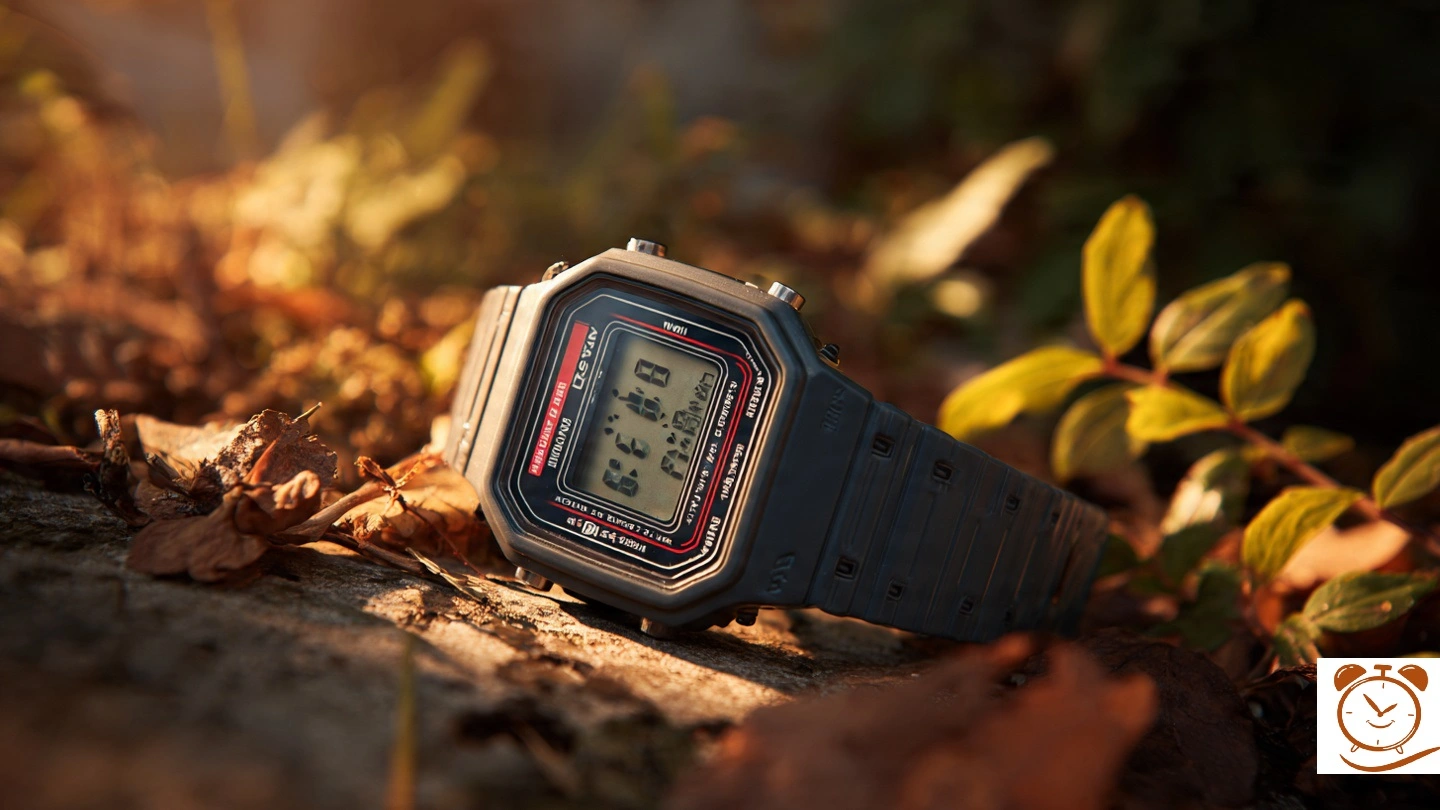
Design Simplicity at Its Best
The Casio F91W is a masterclass in minimalist design. Measuring 38.2 × 35.2 × 8.5 mm and weighing just 21 grams, it’s barely noticeable on the wrist—perfect for daily wear, sports, or travel.
Its resin case and urethane strap offer comfort and flexibility, while the 30-meter water resistance protects against splashes and rain. It’s not meant for diving, but it handles real life with ease.
Over the years, Casio has released 18 color variations across four generations:
| Generation | Years | Color Variants | Notable Models |
|---|---|---|---|
| Classic Black | 1989–2003 | 3 | F-91W-1, F-91W-3, F-91WG-9 |
| Monochrome WC | 2010 | 6 | F-91WC-2AEF (baby blue), F-91WC-4AEF (pink) |
| Metallic WM | 2018 | 5 | F-91WM-7A (silver), F-91WM-9A (gold) |
| Translucent WS | 2020 | 4 | F-91WS-2 (blue jelly), F-91WS-8 (grey jelly) |
I started with the F-91W-1, the original black model with a blue inner ring. But my current favorite is the F-91WB-1A, which features a bio-based resin strap—more on that later.
The Casio F91W doesn’t try to impress. It just works.
Precision and Reliability You Can Count On
At the heart of the Casio F91W is Module 593, a quartz movement known for its accuracy and longevity. Casio rates it at ±30 seconds per month, but in practice, most units run even tighter.
It runs on a CR2016 battery, officially rated for 7 years—but real-world use often exceeds that. Users report batteries lasting 10, 11, even 12 years. One Reddit user shared that their Casio F91W battery outlasted the strap.
Key features include:
- 1/100-second stopwatch
- Daily alarm and hourly chime
- Auto-calendar (valid until 2039)
- Green LED backlight
The backlight is dim but functional—just enough to read the time at night without waking others. And unlike smartwatches, the Casio F91W doesn’t need daily charging or software updates.
It’s the ultimate “set it and forget it” timepiece.
Built for the Real World: Durability Tested
I’ve dropped my Casio F91W on concrete, left it in saltwater, and even run it through the washing machine. It survived—all with only minor scratches on the acrylic crystal.
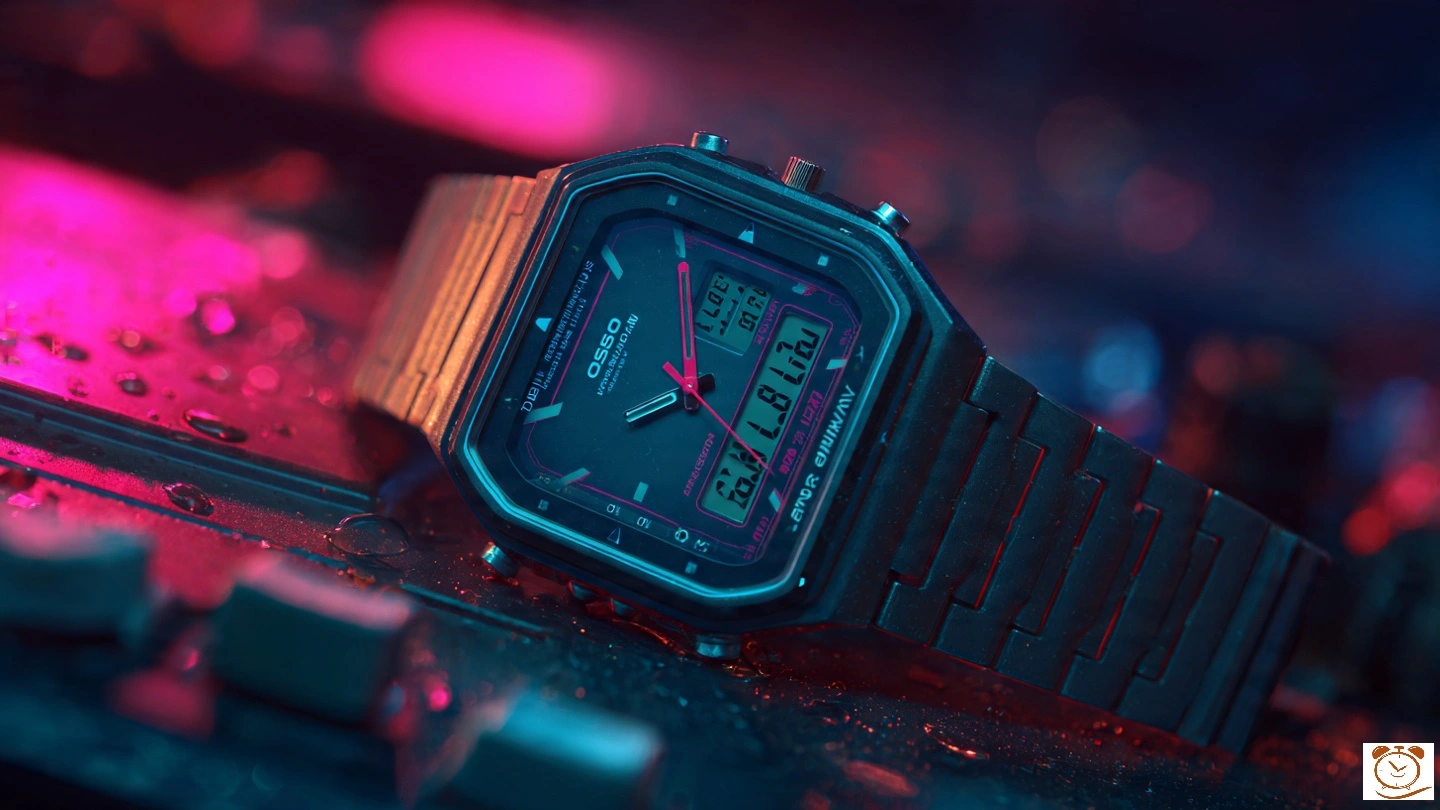
And I’m not alone. Outdoor instructors report using the Casio F91W for 7 years of coasteering and kayaking without failure. Military personnel have worn it in combat zones, and backpackers trust it for multi-year treks.
Tests show it can withstand:
- 1.5-meter drops onto concrete
- Temperatures from -10°C to 50°C
- 10,000G shocks (in lab conditions)
When the strap finally wore out on my first watch, the battery was still going strong after 11 years. That’s not durability—that’s overengineering.
The Casio F91W is so tough, stories circulate of it surviving car tires, hammer strikes, and boiling water. While not officially rated for such abuse, its reputation is well-earned.
The Dark Chapter: Casio F91W and Global Security
Here’s something most watch blogs won’t tell you: the Casio F91W has a controversial past.
In the 1990s, it gained notoriety as a timer for improvised explosive devices (IEDs). Ramzi Yousef used one to bomb Philippine Airlines Flight 434 in 1994, killing one passenger. A 1996 Washington Post article revealed that al-Qaeda operatives had developed methods to use the Casio F91W as a bomb trigger.
Why this watch? Because its alarm can be set beyond 24 hours, making it ideal for long-lead detonations. It’s also cheap, widely available, and extremely reliable.
Secret Guantanamo Bay documents referred to the Casio F91W as “the sign of al-Qaeda”, and over 50 detainee reports mentioned Casio watches, with 32 specifically citing the F-91W. Interrogators were trained to flag prisoners wearing one.
It’s a dark legacy, but it underscores the watch’s ruggedness and precision—qualities that make it trusted not just by terrorists, but by soldiers, hikers, and everyday users.