

The Best Smartwatches with Health Monitoring Features in 2026 aren’t just tracking your steps—they’re predicting illness, detecting hypertension, and even analyzing your sleep with clinical precision. With FDA-cleared diagnostics, AI-powered insights, and 0.2°C temperature accuracy, your wrist is now a frontline health guardian.
But here’s the real question: What if your smartwatch could alert you to a heart issue before symptoms appear?
Or tell you you’re getting sick 2.75 days before you feel it?
That’s not science fiction—it’s reality in 2026. And if you care about long-term health, early detection, and taking control of your wellness journey, you need to see which devices made the list—and why one of them might just save your life.
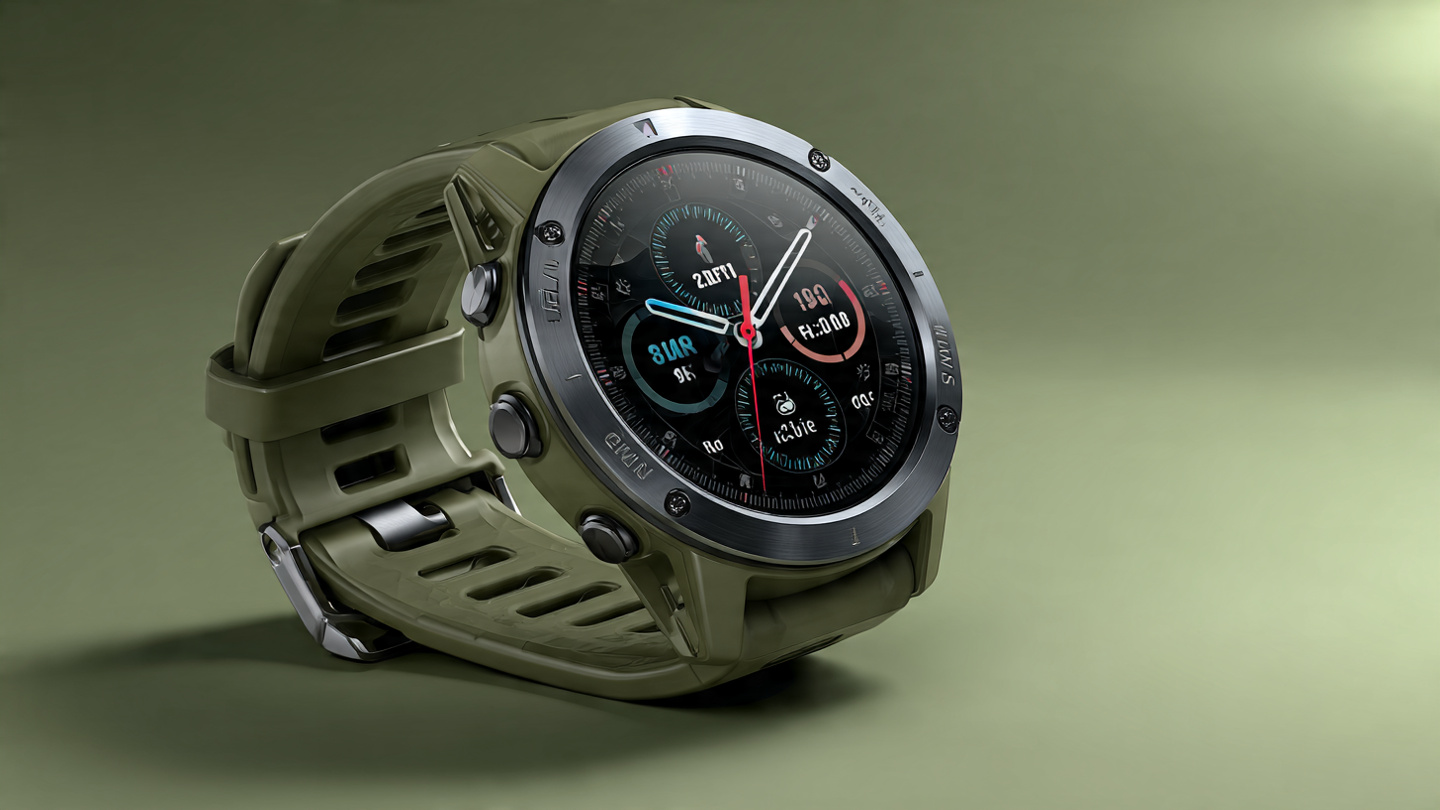
The focus has shifted from simply collecting data to delivering actionable, personalized health intelligence. Whether you’re an iPhone user, Android loyalist, or someone who values clinical validation over flashy features, the Best Smartwatches with Health Monitoring Features in 2026 offer something transformative.
Apple Watch Series 11: The Most Advanced Health Hub for iPhone Users
Apple Watch Series 11 sets the gold standard for integrated health monitoring in 2026, especially for iPhone users. Its standout feature? FDA-cleared hypertension screening, a first for mainstream wearables. This isn’t a vague alert—it’s a clinically validated system that analyzes heart rate, activity, and sleep trends to identify potential high blood pressure risks early.
The Series 11 retains all the essentials:
- ECG with 98% sensitivity for AFib detection
- SpO2 monitoring
- Skin temperature sensing (0.2°C precision)
- Sleep apnea notifications
- Dual-frequency GPS and a titanium case
Battery life is 36 hours, which means daily charging, but the depth of health integration justifies it. For extreme adventurers, the Apple Watch Ultra 3 offers 42-hour battery life, satellite SOS, and 100m water resistance, making it ideal for outdoor athletes who still demand top-tier health tracking.
| Feature | Apple Watch Series 11 | Apple Watch Ultra 3 |
|---|---|---|
| Battery Life | 36 hours | 42 hours |
| Health Highlights | Hypertension screening, ECG, SpO2, sleep apnea | Satellite SOS, dual-frequency GPS, ECG |
| Price (USD) | $399 | $799 |
| Display Brightness | 2,000–3,000 nits | 3,000 nits |
Samsung Galaxy Watch 8: The Android King of Health & AI
For Android users, the Samsung Galaxy Watch 8 is the definitive choice among the Best Smartwatches with Health Monitoring Features. It combines FDA-cleared sleep apnea detection, ECG, and body composition analysis using bioelectrical impedance to measure body fat, muscle mass, and hydration levels.
What truly differentiates it is Galaxy AI integration. Features like Bedtime Guidance, Antioxidant Index, and Vascular Load tracking provide personalized insights that go beyond raw data. The 40-hour battery, 3nm Exynos W1000 processor, and 3,000-nit AMOLED display ensure smooth performance and excellent outdoor visibility.
Priced between $349.99 and $379.99, it’s a premium device that rivals Apple in health functionality while offering deeper AI-powered coaching.
| Feature | Samsung Galaxy Watch 8 |
|---|---|
| Battery Life | 40 hours |
| Key Sensors | ECG, SpO₂, infrared temp, bioimpedance |
| AI Features | Galaxy AI, Antioxidant Index, Vascular Load |
| Price (USD) | $349.99–$379.99 |
Withings ScanWatch 2: Medical-Grade Accuracy for the Health-Conscious
If you prioritize clinical accuracy over smart features, the Withings ScanWatch 2 is unmatched. It’s one of the few wearables with FDA-cleared ECG, sleep apnea detection, and continuous SpO2 monitoring during sleep—all on a hybrid analog-digital design that lasts up to 35 days on a single charge.
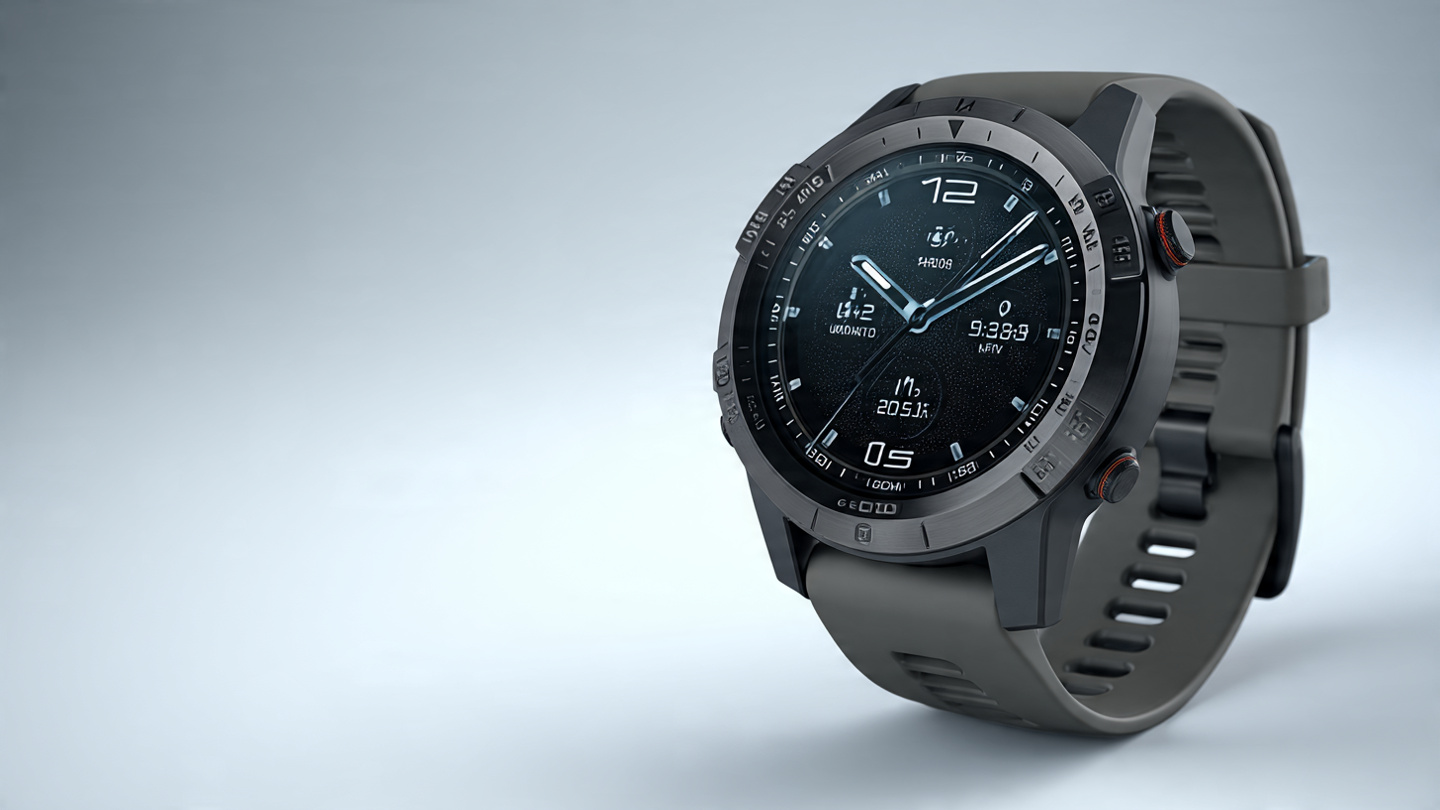
Its 16-channel PPG sensor array delivers hospital-grade trend data, making it ideal for users managing chronic conditions or seeking long-term health insights. At $349.95, it’s a premium investment for those who value reliability and battery life over notifications and apps.
| Feature | Withings ScanWatch 2 |
|---|---|
| Battery Life | 35 days |
| FDA-Cleared Features | ECG, sleep apnea, SpO2 |
| Design | Hybrid analog-digital |
| Price (USD) | $349.95 |
Garmin Venu 3: Fitness Meets Medical Precision
The Garmin Venu 3 bridges the gap between athletic performance and holistic health. With 14-day battery life, medical-grade accuracy, and advanced metrics like HRV monitoring, VO2 Max tracking, and Body Battery energy scoring, it’s built for serious users.
It includes ECG, SpO2, and stress tracking, making it ideal for managing recovery and preventing overtraining. While it lacks the AI smarts of Apple or Samsung, its reliability, battery efficiency, and fitness-first design make it a top pick for athletes.
| Feature | Garmin Venu 3 |
|---|---|
| Battery Life | 14 days |
| Key Metrics | HRV, VO2 Max, Body Battery, ECG |
| Sports Modes | 30+ |
| Price (USD) | $449.99 |
Google Pixel Watch 4: AI-Powered Health for Android
The Google Pixel Watch 4 brings Gemini AI to health coaching, offering personalized summaries, Emergency Satellite SOS, and the Actua 360 Display for better readability. With 36–40 hour battery life and the full Fitbit sensor suite, it delivers accurate heart rate, sleep, and temperature tracking.
Its sleep tracking accuracy reaches 85% in polysomnography studies, making it one of the most reliable sleep monitors among Android watches. At $349–$350, it’s a compelling option for Pixel users who want AI-driven health insights without sacrificing accuracy.
| Feature | Google Pixel Watch 4 |
|---|---|
| Battery Life | 36–40 hours |
| AI Features | Gemini AI, health summaries |
| Sleep Accuracy | 85% (vs. clinical studies) |
| Price (USD) | $349–$350 |
Amazfit Active Max: Long Battery, Big Value
For budget-conscious buyers, the Amazfit Active Max offers 25 days of battery life, 178 sports modes, GPS, and 24/7 health monitoring via the HX3691 sensor for heart rate, SpO2, stress, and mood.
At $169.99, it’s one of the most affordable long-lasting health trackers. While it lacks FDA clearances, its value proposition is undeniable for casual users who want reliable tracking without daily charging.
| Feature | Amazfit Active Max |
|---|---|
| Battery Life | 25 days |
| Health Sensors | HX3691 (HR, SpO2, stress) |
| Sports Modes | 178+ |
| Price (USD) | $169.99 |
Oura Ring 4: The Sleep & Recovery Specialist
Though not a watch, the Oura Ring 4 is a top-tier health wearable. With 7–8 days battery life, 79% four-stage sleep classification accuracy, and 94.4–94.5% overall sleep accuracy, it outperforms most wrist devices in sleep tracking.
It offers 0.1°C temperature precision, HRV monitoring, and can detect infections up to 2.75 days before symptoms appear. At $349–$499, it’s ideal for users focused on recovery, sleep optimization, and early illness detection.
| Feature | Oura Ring 4 |
|---|---|
| Battery Life | 7–8 days |
| Sleep Accuracy | 94.4–94.5% overall |
| Temperature Precision | 0.1°C |
| Price (USD) | $349–$499 |
How Smartwatches Compare in Sleep Tracking
Sleep tracking accuracy varies significantly across devices. Clinical studies show:
| Device | Sleep Stage Accuracy | Overall Sleep Accuracy | Notes |
|---|---|---|---|
| Oura Ring 4 | 79% | 94.4–94.5% | Highest reliability |
| Apple Watch Series 10 | 50.5–86.1% | — | Overestimates sleep by 30–45 mins |
| Google Pixel Watch 4 | 85% | — | Fitbit-powered algorithms |
| Samsung Galaxy Watch 8 | Not published | — | Uses AI-based analysis |
Oura leads in consistency and precision, while Apple and Pixel show variability depending on user physiology.
Battery Life vs. Health Monitoring Intensity
Battery life is a trade-off with continuous health monitoring:
| Device | Battery (Normal Use) | Battery (Continuous Health Mode) |
|---|---|---|
| Apple Watch Series 11 | 36 hours | ~24 hours |
| Samsung Galaxy Watch 8 | 40 hours | ~30 hours |
| Garmin Venu 3 | 14 days | 10–12 days |
| Withings ScanWatch 2 | 35 days | 30+ days |
| Oura Ring 4 | 7–8 days | 6–7 days |
Devices like Garmin and Withings optimize power for long-term tracking, while Apple and Samsung prioritize real-time responsiveness.
FDA Approvals and Medical Validation in 2026
2026 marks a turning point in medical validation:
- Apple Watch Series 11: FDA-cleared hypertension screening
- Samsung Galaxy Watch 8: FDA-cleared sleep apnea detection
- Withings ScanWatch 2: FDA-cleared ECG and sleep apnea
- Google Pixel Watch 3/4: FDA-cleared ECG and SpO2
These clearances mean the devices meet clinical standards for trend detection, though they’re not replacements for diagnostic tools.
What This Means for Your Health Journey
The Best Smartwatches with Health Monitoring Features in 2026 are no longer just gadgets—they’re personal health partners. Whether you need early hypertension alerts, sleep apnea detection, or AI-powered recovery insights, there’s a device tailored to your needs.
Your choice depends on:
- Ecosystem (iOS vs. Android)
- Health priorities (sleep, heart, fitness)
- Battery preferences
- Budget
But one thing is clear: your wrist now holds the power to prevent, detect, and manage health issues like never before.
Limitations & Unknowns
While 2026 brings incredible advancements, key blindspots remain:
- No official launch dates for rumored devices like Apple Watch Ultra 4 or Samsung Galaxy Ring 2
- Regional price variations not fully documented
- Long-term accuracy studies for new features like glucose trend estimation are pending
- Meta’s smartwatch (Malibu 2) has no official release date
- FDA approvals are for trends, not absolute diagnoses
Always consult a healthcare provider for medical concerns—wearables are tools, not replacements.