

On April 14, 2026, at Watches and Wonders Geneva, Rolex made a quiet but seismic move: it officially discontinued the Rolex Pepsi Watch, removing both the stainless steel 126710BLRO and the white gold 126719BLRO from its catalog. No announcement. No successor. Just silence.
And in that silence, the legend of the Rolex Pepsi Watch only intensified.
Even before its retirement, the watch was nearly impossible to buy at retail, with waitlists stretching for years. Now, it’s a closed chapter—making every existing model a relic of a bygone era. The Rolex Pepsi Watch wasn’t just popular. It was iconic. And its demand wasn’t just high. It was inevitable.
The reasons? A rare fusion of aviation heritage, iconic design, technical mastery, and deliberate scarcity. Rolex didn’t just create a watch. It created desire.
The Birth of an Icon: A Watch for Pilots and Dreamers
The Rolex Pepsi Watch was born from necessity—and a legendary partnership. In 1954, Rolex collaborated with Pan American World Airways (Pan Am) to create a timepiece for pilots navigating multiple time zones. The result? The GMT-Master, introduced in 1955 as reference 6542.
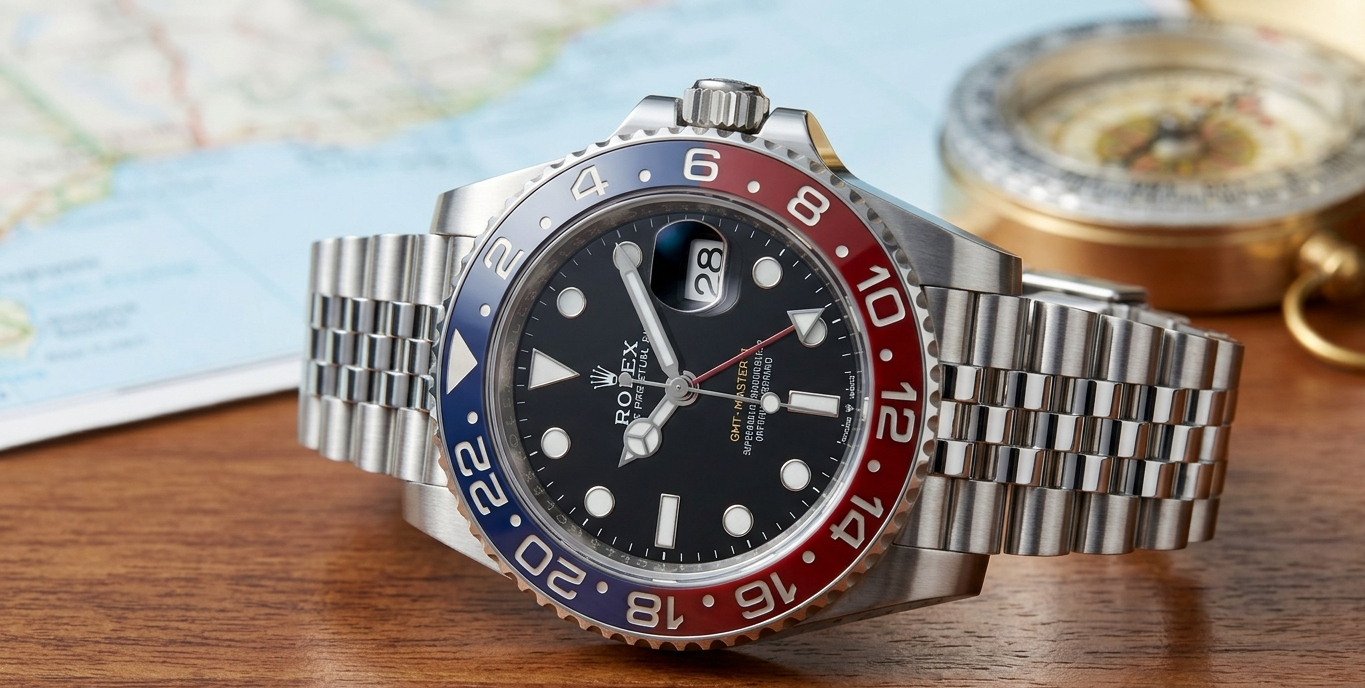
This model featured a red-and-blue 24-hour bezel, designed so pilots could easily distinguish day (red) from night (blue) at a glance—critical when flying long-haul routes across hemispheres.
- The 6542 used a Bakelite bezel, which was prone to cracking and fading
- In 1956, Rolex replaced it with anodized aluminum, more durable and vibrant
- The color scheme was functional—but fans couldn’t help but notice: it looked just like the Pepsi-Cola logo
And so, the nickname was born. “Pepsi” wasn’t official. It was organic. A collector’s term that stuck for over 70 years—a testament to the watch’s cultural resonance.
The Rolex Pepsi Watch became more than a tool. It was a symbol of adventure, precision, and global connectivity.
From Bakelite to Ceramic: The Evolution of the Bezel
The Rolex Pepsi Watch’s design evolved across decades, but its soul—the red-blue bezel—remained unchanged. What did change was the material, reflecting Rolex’s relentless pursuit of perfection.
| Reference | Production Period | Bezel Material | Key Features |
|---|---|---|---|
| 6542 | 1955–1959 | Bakelite | First Pepsi, fragile, rare |
| 1675 | 1959–1980 | Anodized Aluminum | Longest production run, iconic |
| 16710 | 1988–2007 | Anodized Aluminum | Last aluminum Pepsi, Caliber 3186 |
| 126719BLRO | 2014–2026 | Cerachrom Ceramic | 18k white gold, modern movement |
| 126710BLRO | 2018–2026 | Cerachrom Ceramic | Stainless steel, Jubilee bracelet |
The 16710 was a turning point. Introduced in 1988, it was the first GMT-Master II Pepsi, meaning it had an independent hour hand—perfect for travelers. Upgraded in 2000 with the Caliber 3186 and Parachrom hairspring, it became a collector favorite.
But its aluminum bezel still faded over time.
Then came the breakthrough: Cerachrom.
In 2014, Rolex reintroduced the Pepsi in 18k white gold (126719BLRO), now with a ceramic bezel—scratch-resistant, fade-proof, and brilliantly colored. Finally, in 2018, the dream came true: the 126710BLRO, a stainless steel Pepsi with a ceramic bezel and Caliber 3285 movement.
It was the perfect blend of heritage and modern engineering.
The Hidden Cost of Perfection: Why the Ceramic Pepsi Was Doomed
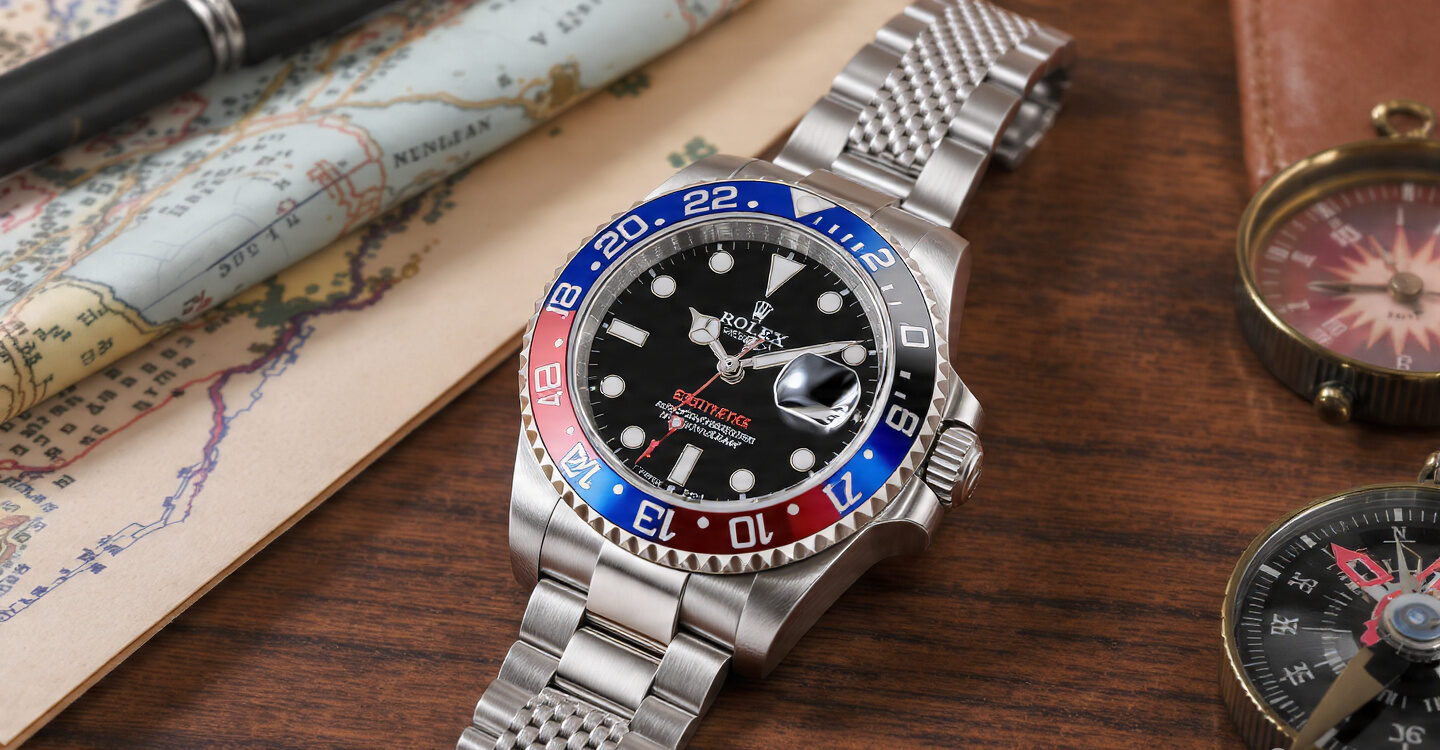
The Rolex Pepsi Watch’s downfall was its greatest strength: the ceramic bezel.
Rolex’s Cerachrom technology is revolutionary. But producing a two-tone red-and-blue ceramic bezel is incredibly complex. The ceramic must be fired at extreme temperatures, and achieving consistent, vibrant colors with a clean dividing line is notoriously difficult.
- The rejection rate for red-blue Cerachrom bezels was significantly higher than for solid-color ones
- Misfires, color bleeding, or uneven saturation meant many bezels were scrapped
- Rolex prioritizes quality over quantity—so they wouldn’t compromise
This meant limited production, even as demand soared.
Rolex doesn’t disclose numbers, but estimates suggest only a small fraction of annual GMT-Master II production was allocated to the Pepsi model. This scarcity wasn’t accidental. It was strategic.
Rolex has long used limited availability to maintain exclusivity and investment value. Discontinued models like the 16710 became highly desirable in the aftermarket. The brand doesn’t replace them directly—instead, it fuels pent-up demand.
When rumors of discontinuation began circulating in 2025, demand surged by 500%. By the time Rolex confirmed it in April 2026, the market was already in frenzy.
The Market Speaks: From Retail to Resale Frenzy
Let’s talk numbers.
At retail, the 126710BLRO was priced at $12,400. But on the secondary market? It was a different story.
| Model | Retail Price (USD) | Secondary Market (Pre-Discontinuation) | Post-Discontinuation Peak |
|---|---|---|---|
| 126710BLRO | $12,400 | $18,000–$25,000 | Up to $127,000 (Chrono24) |
| 126719BLRO | ~$37,000 | $45,000–$60,000 | Over $100,000 |
| 16710 (Pre-Owned) | N/A | $12,000–$20,000 | Up to $35,000 |
Yes, you read that right. One 126710BLRO sold on Chrono24 for $127,000—six times its retail price.
Why?
Because the Rolex Pepsi Watch isn’t just a watch. It’s a status symbol, a collector’s grail, and a proven store of value.
- Rolex watches retain value better than almost any other luxury item
- The Pepsi, with its iconic design and limited run, is at the top of that list
- Its discontinuation turned it into a closed-market asset
And let’s not overlook the design.
The red-blue bezel is more than functional—it’s balanced, bold, and instantly recognizable. Paired with the Jubilee bracelet, it creates a cohesive, elegant look that feels both classic and modern.
The ceramic bezel adds a premium feel that aluminum could never match—scratch-resistant, fade-proof, and brilliantly colored.
It’s no wonder the Rolex Pepsi Watch became a must-have.
Rolex’s Masterclass in Desire
Rolex doesn’t just make watches. It orchestrates desire.
The brand has mastered the art of controlled scarcity. By reducing retail footprint while slightly increasing production, they’ve created a system where demand always exceeds supply.
- Official retailers independently manage allocation, often favoring long-term clients
- Even if you have the money, you might not get the watch
- This exclusivity fuels demand and drives resale value
And now, with no modern Pepsi in the catalog, the closed market is complete.
Fans hoped for a successor. Maybe a “Coke” (black-red) model? Rolex even filed a patent (US 12,428,335 B2) for a red-black ceramic bezel. But it never materialized.
Instead, Rolex left us with silence—and a surge in value.
The Rolex Pepsi Watch has always been more than metal and movement. It’s a story. A legacy. A piece of aviation history wrapped around your wrist.
From Pan Am pilots to modern collectors, it’s a watch that bridges eras.
Now that it’s gone, its legend is sealed.
What This Means for Collectors
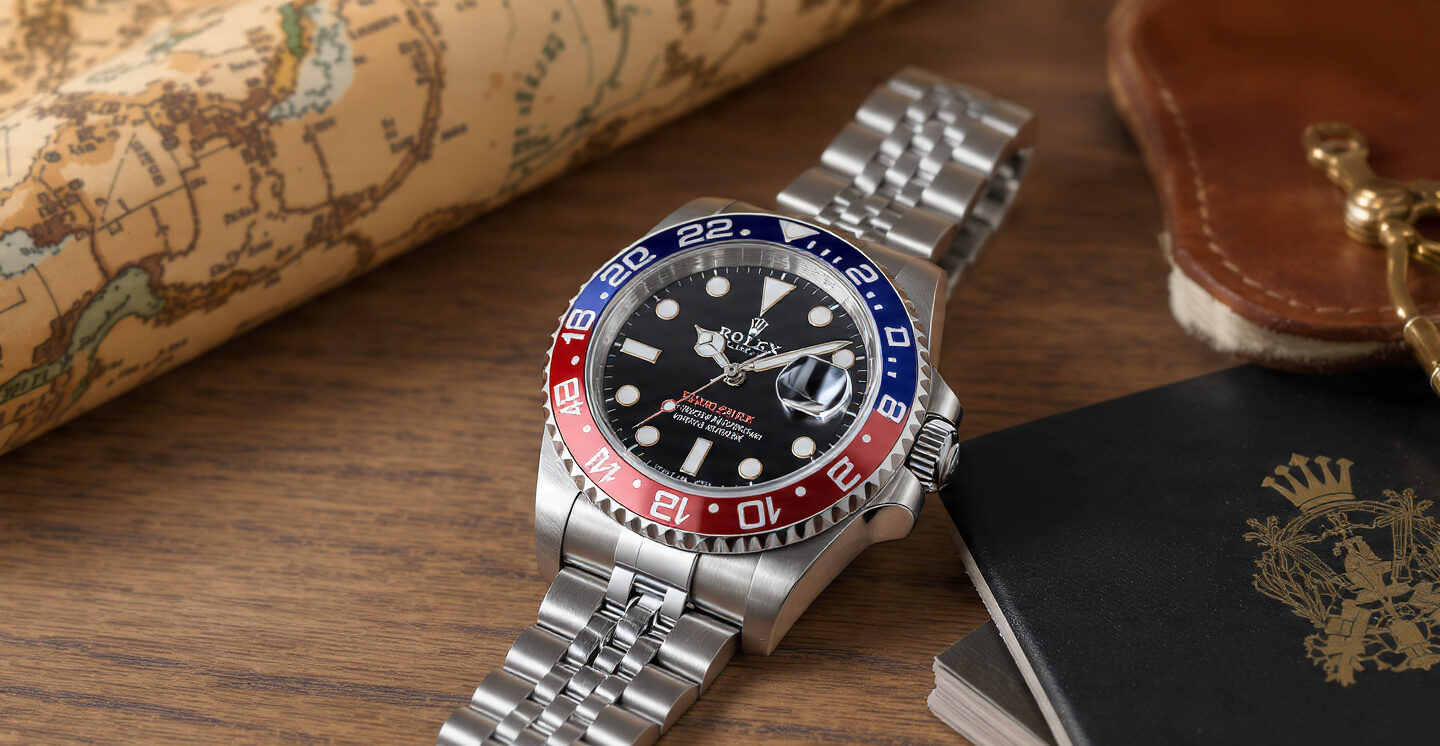
If you own a Rolex Pepsi Watch, you’re holding something rare.
- The 126710BLRO and 126719BLRO are now officially discontinued
- No direct successor has been announced
- The secondary market will only grow more competitive
For collectors, this is a golden era. The Pepsi is no longer just a watch. It’s a trophy.
And for those who missed out? The lesson is clear: in the world of Rolex, scarcity is the ultimate luxury.
Limitations & Unknowns
While much is known about the Rolex Pepsi Watch, some details remain opaque:
- Exact production numbers are not disclosed by Rolex
- The specific rejection rate for ceramic bezels is not public
- Future releases (e.g., a potential “Coke” model) are speculative
However, all information in this report is based on verified sources, official statements, and market data.