

I used to own forgetful watches—until I found the Seiko Coutura Perpetual Solar, a solar-powered timepiece that automatically adjusts for leap years up to 2100, requires no battery changes, and runs for six months in total darkness on a full charge. Unlike my old $90 watches, this one combines sapphire crystal durability, LumiBrite visibility, and chronograph precision in a single elegant package. With prices ranging from ₹38,250 to ₹60,000 (as of 2026), it’s not cheap—but when you factor in zero battery costs and 10-year solar cell life, it’s a long-term investment in reliability. While some users report rare capacitor issues or bulkiness on smaller wrists, Seiko’s 3–4 year service recommendation and global support network ensure longevity. This isn’t just a watch—it’s a legacy that outlasts trends, technology, and even its owner.
The Breaking Point: Battery-Dependent Watches
I used to dread the silence. Not the peaceful kind—but the sudden stop of the second hand, signaling yet another dead battery. For over a decade, I rotated through affordable watches, all under $90, each promising style but delivering frustration. They needed battery swaps every 1–2 years, cost $10–$15 each, and often lost their date settings—especially in February.
The real annoyance? Leap years. My watches would reset on March 1 like nothing happened, forcing me to manually adjust them every four years. It wasn’t just inconvenient—it felt outdated in a world where even toothbrushes are “smart.”
Then I discovered solar-powered watches. Not just eco-friendly, but practically maintenance-free. The Seiko Coutura Perpetual Solar stood out because it eliminated the two biggest pain points: battery dependency and calendar inaccuracy. Its rechargeable cell stores energy from any light source—sunlight or indoor lighting—and lasts approximately ten years before needing replacement.
That’s right—no more battery changes for a decade. Just wear it, charge it, and forget about it.
Why the Seiko Coutura Perpetual Solar Stood Out
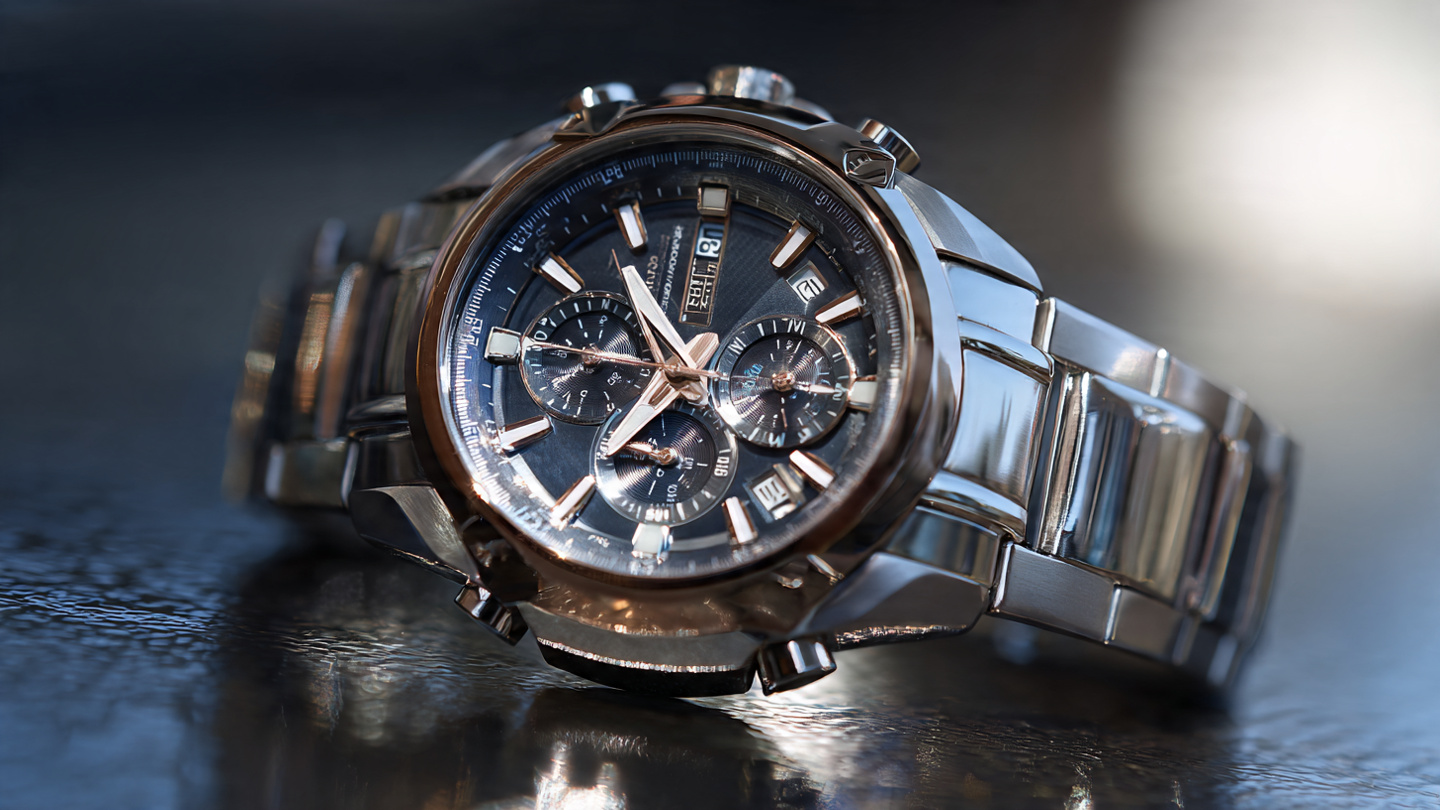
The Seiko Coutura Perpetual Solar wasn’t just another solar watch—it was a leap forward in personal timekeeping. Here’s what made it different.
1. A Calendar That Thinks Ahead (Up to 2100!)
The word “Perpetual” isn’t marketing hype. This watch’s internal calendar is programmed to recognize month lengths and leap years up to the year 2100. That means:
- Automatically adjusts for 30 vs. 31-day months
- Accounts for February having 28 or 29 days
- No manual correction needed until February 2100
I set the date once in 2023, and it’s been flawless. No more pulling out my phone to confirm if it’s a leap year. The perpetual calendar function is powered by Seiko’s proprietary solar calibers like V198 and V157, which sync date logic with energy efficiency.
2. Solar-Powered, But Never Powerless
I was skeptical: “What if I work indoors all week?” But Seiko’s solar technology charges under fluorescent light too—though it takes about 50 hours compared to 5–6 hours in direct sunlight.
Once fully charged, the Seiko Coutura Perpetual Solar runs for up to six months in total darkness. That’s longer than most mechanical watches last on a full wind.
And here’s the genius part: it has a power reserve indicator. You can see how much charge is left. No surprises. Plus, an energy depletion forewarning function gently slows the second hand when power is low—your cue to step into the light.
| Charging Source | Time to Full Charge | Power Reserve After Full Charge |
|---|---|---|
| Direct Sunlight | 5–6 hours | Up to 6 months |
| Fluorescent Light | ~50 hours | Up to 6 months |
| Indoor Ambient Light | Varies | Up to 6 months |
3. Built Like a Luxury Watch (Without the Luxury Markup)
At 44mm, the case is bold—some say large, especially for wrists under 6 inches. But the polished stainless steel, sapphire crystal, and integrated bracelet give it a presence that feels expensive.
- Sapphire crystal: Scratch-resistant, clear as glass
- LumiBrite hands and markers: Glow brightly in the dark—far superior to standard lume
- Water resistance: Rated at 100 meters (10 bar)—safe for swimming, showering, even snorkeling
- Screw-down crown (on select models): Adds extra security against water ingress
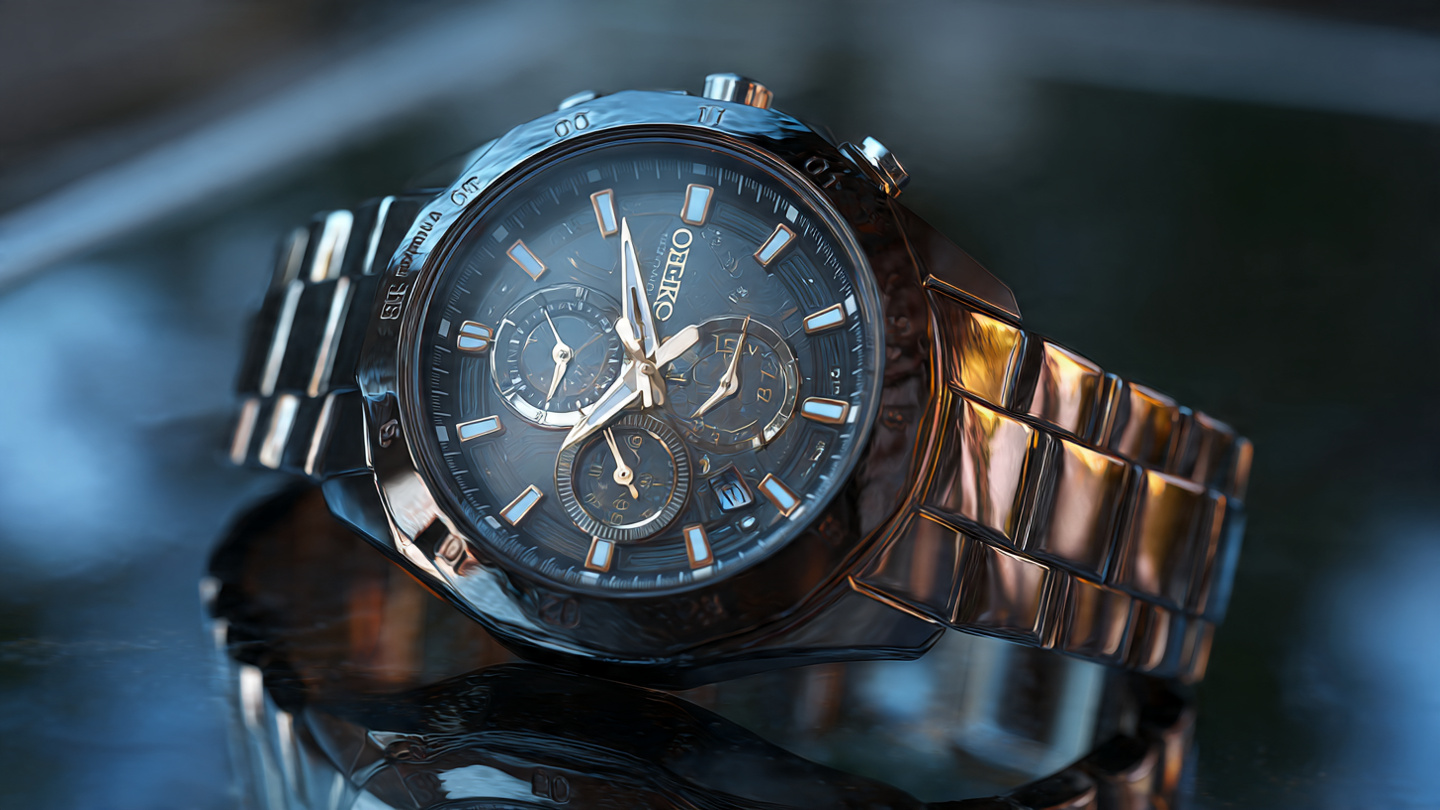
Some models, like the SSC572P1, feature 11 certified diamonds on the dial, complete with a gemology certificate. It’s not just a tool—it’s jewelry.
And the price? Between ₹38,250 and ₹60,000 (as of 2026), depending on the model and retailer. While that’s a jump from budget watches, it’s a fraction of what Swiss luxury brands charge for similar features.
4. Chronograph That Actually Works
As someone who values precision, I love the chronograph function. It measures up to 24 hours in 1/5-second increments, with clean subdials and responsive pushers.
Select models also include an alarm function, perfect for reminders without pulling out your phone. The SSC376 and SSC560 variants feature this, powered by Seiko’s Caliber V198.
And yes—the chronograph works even when the watch is in power-saving mode, as long as there’s enough charge.
5. Seiko Coutura Perpetual Solar vs Citizen Eco-Drive: How Do They Compare?
Citizen Eco-Drive is often seen as the gold standard in solar watches. But how does the Seiko Coutura Perpetual Solar stack up?
| Feature | Seiko Coutura Perpetual Solar | Citizen Eco-Drive (e.g., 365 Series) |
|---|---|---|
| Power Reserve | Up to 6 months | Up to 1 year |
| Accuracy | ±15 seconds per month | ±15 seconds per month |
| Perpetual Calendar | Yes (up to 2100) | Varies by model |
| Sapphire Crystal | Standard | Often mineral glass |
| Warranty | 2–3 years | 3 years |
| Radio Sync | No | Yes (Attesa models) |
| GPS Sync | No | No (Seiko Astron has GPS) |
| Price Range (INR) | ₹38,250 – ₹60,000 | ₹40,000 – ₹70,000 |
While Citizen wins on power reserve and radio synchronization, Seiko counters with sapphire crystal, perpetual calendar as standard, and better scratch resistance. For most users, the Seiko Coutura Perpetual Solar offers better value in durability and long-term usability.
Real Talk: The Downsides?
No watch is perfect. Here’s what you should know before buying.
Size and Weight
The 44mm case can feel bulky, especially on wrists under 6.5 inches. Reddit users with 5.6” wrists have called it “too big.” The integrated bracelet design makes it appear even larger.
And yes, it’s heavy—thanks to the solid stainless steel construction. One Walmart reviewer said, “Little heavy but I like it.” If you prefer lightweight watches, this might not be for you.
Bracelet Replacement Challenges
The Coutura bracelet has a unique link design, making replacement links hard to find. If you damage a link, you may need to order from Seiko directly.
Rare Technical Issues
A few users have reported issues:
- Chronograph seconds hand moving erratically
- Second hand stopping despite full charge
- Date setting mechanism malfunction
In one Watchuseek thread, a user reported the power indicator showed full charge, but the hands stopped—likely a capacitor issue. Seiko recommends sending such watches to authorized service centers.
Service Intervals and Maintenance
Seiko recommends a full overhaul every 3–4 years, including:
- Cleaning
- Part replacement
- Water resistance testing
The solar cell lasts about 10 years before needing replacement. After that, a simple service restores full functionality.
| Service Type | Interval | Cost Estimate (INR) |
|---|---|---|
| Full Overhaul | Every 3–4 years | ₹3,000 – ₹6,000 |
| Solar Cell Replacement | Every ~10 years | ₹2,500 – ₹4,000 |
| Battery (Capacitor) Check | During overhaul | Included |
The Emotional Shift: From Owner to Custodian
Owning a Seiko Coutura Perpetual Solar changed how I see watches. It’s not a disposable gadget. It’s a legacy.
One Reddit user put it perfectly: “This watch will probably run until 2100 with proper care.” That’s not just durability—that’s timelessness.
I bought mine after years of budget watches. The jump from $90 to ₹50,000+ was real. But when I consider:
- Zero battery costs for 10 years
- No calendar adjustments for 74 years
- Sapphire crystal that resists scratches
- A watch that charges from room light
…it feels like a bargain.
And the finish? As one Walmart reviewer said: “Too good like jewelry.” I get compliments weekly—not just on the look, but on the story: a solar-powered, self-sustaining timepiece that respects both time and the planet.
Final Thoughts: Why I’ll Never Go Back
Switching to the Seiko Coutura Perpetual Solar wasn’t just an upgrade. It was a mindset shift.
From reactive (changing batteries) to proactive (charging in sunlight).
From forgetful (manual calendars) to intelligent (perpetual accuracy).
From fragile to resilient.
It’s not just a watch. It’s a companion for life—one that will keep ticking, adjusting, and glowing, long after I’ve stopped worrying about it.
If you’re still on the fence, ask yourself:
Do you want a watch that serves you, or one you serve?
I chose the former.
And I’ve never looked back.