

For night shift workers—nurses, paramedics, factory operators, and emergency responders—survival isn’t just about making it through the night. It’s about surviving the long-term toll on your body. Disrupted sleep, circadian misalignment, and chronic fatigue aren’t just inconveniences—they’re predictors of heart disease, metabolic disorders, and depression.
But there’s hope: the right Smartwatch for Night Shift Workers can act as your personal health guardian. These aren’t just fitness trackers—they’re medical-grade tools that monitor sleep quality, recovery, heart rate variability (HRV), and even circadian disruptions. Devices like the Oura Ring Gen 4 and Garmin Fenix 7 PRO deliver up to 99% sleep tracking accuracy, while others like Withings ScanWatch 2 offer 30-day battery life and FDA-cleared health monitoring.
The top picks balance battery life (36+ hours minimum), manual sleep window settings, and advanced biomarkers (SpO₂, skin temperature, HRV). And when paired with smart apps like SleepSync or ShiftSleep, they create a full-circle system for optimizing rest in chaotic schedules.
Ultimately, the best Smartwatch for Night Shift Workers isn’t about flashy features—it’s about long-term health, accurate data, and seamless adaptation to irregular rhythms. Your body clocks in every day. It’s time your tech did too.
Why Night Shift Workers Need Specialized Sleep Tech
Night shift work forces your body into a constant state of jet lag. Your circadian rhythm—the internal clock regulating sleep, hormones, and metabolism—becomes misaligned with natural light cycles. This disruption increases the risk of sleep disorders, cardiovascular disease, diabetes, and mood disorders.
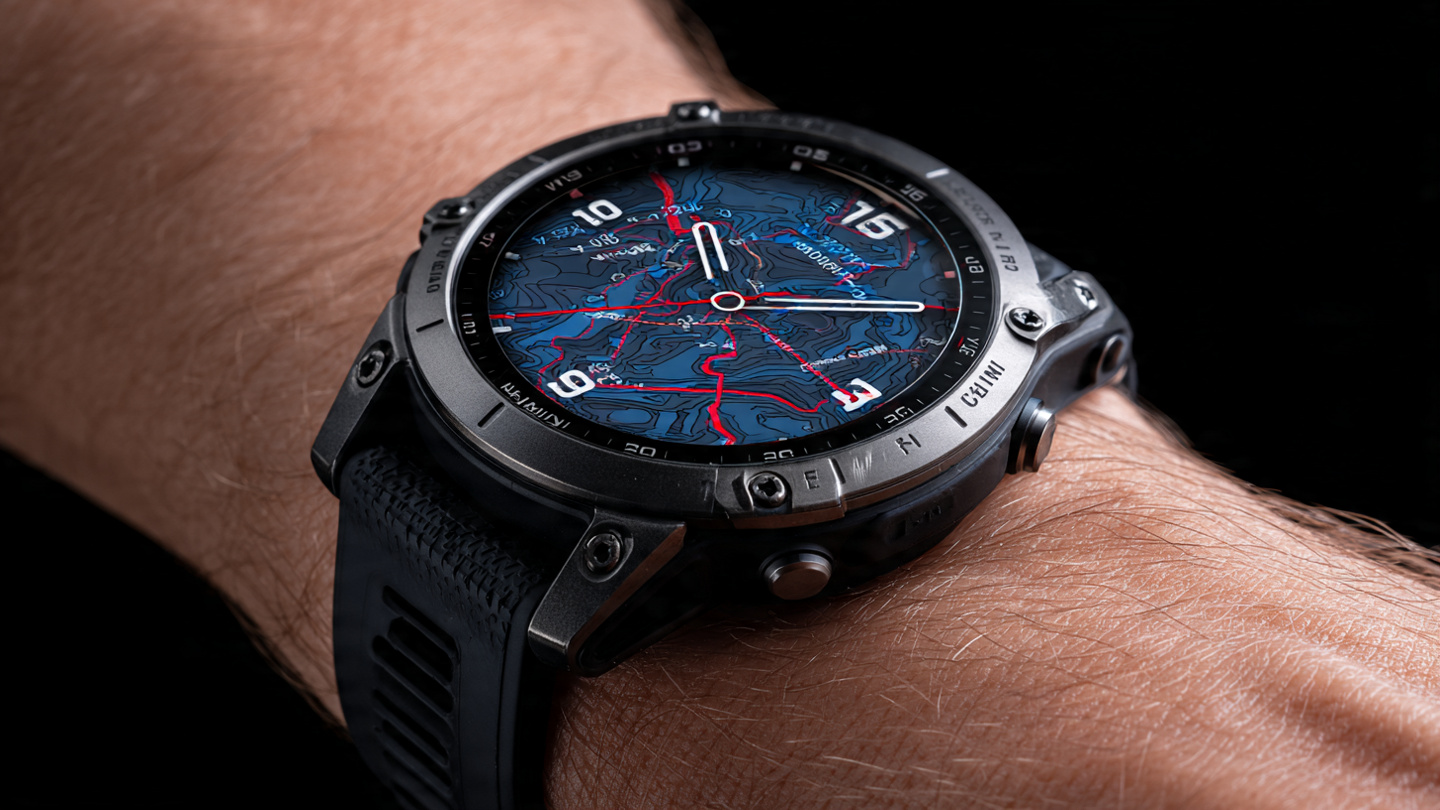
Standard smartwatches assume you sleep from 10 PM to 6 AM. For shift workers, that model fails. You might sleep from 8 AM to 3 PM, take a nap at noon, or work 12-hour rotating shifts. Without accurate tracking, your health data becomes meaningless.
The best Smartwatch for Night Shift Workers adapts to irregular sleep windows, detects naps and split sleep, and provides recovery insights that reflect your real-life schedule. Devices that offer manual sleep tagging, long battery life, and medical-grade sensors are essential for those whose routines defy the 9-to-5 norm.
Key Features of the Best Smartwatch for Night Shift Workers
The ideal Smartwatch for Night Shift Workers must go beyond step counting. It should serve as a 24/7 health sentinel, especially when your schedule defies normalcy.
Battery Life: 36+ Hours Minimum
Charging during a 12-hour shift isn’t practical. Devices with 7–30 day battery life ensure continuous monitoring without gaps.
| Device | Battery Life | Charging Frequency |
|---|---|---|
| Withings ScanWatch 2 | 30 days | Once per month |
| Oura Ring Gen 4 | 5–8 days | Weekly |
| Whoop 5.0 | 14 days | Biweekly |
| Apple Watch Series 11 | 1–2 days | Daily |
Accurate Sleep Tracking for Irregular Schedules
Many wearables struggle with non-traditional sleep patterns. The best ones allow manual sleep window input and nap detection.
- Oura Ring Gen 4 achieves 95% sensitivity in sleep vs. wake detection.
- Garmin Fenix 7 PRO is reported to track night shift sleep with 99% accuracy.
- Apple Watch often fails without third-party apps like AutoSleep, which analyzes 6-day patterns.
Advanced Health Metrics
Look for devices that track:
- HRV (Heart Rate Variability): Measures recovery and stress.
- SpO₂ (Blood Oxygen): Flags sleep apnea or breathing disruptions.
- Skin Temperature: Detects illness or hormonal shifts.
- ECG: Screens for atrial fibrillation (Apple Watch, Withings).
App Integration for Personalized Planning
A smartwatch is only as good as its software. The best Smartwatch for Night Shift Workers integrates with apps that adjust to rotating shifts, caffeine timing, and light exposure.
Top 6 Smartwatches for Night Shift Workers Reviewed
1. Oura Ring Gen 4 – Medical-Grade Recovery Tracking
The Oura Ring Gen 4 isn’t a watch, but it’s arguably the best Smartwatch for Night Shift Workers when health precision matters most. With 5–8 day battery life, it’s designed for 24/7 wear—ideal for long shifts and unpredictable rest periods.
It delivers 95% sensitivity in sleep detection, outperforming many wrist-based trackers. It tracks menstrual cycles, recovery readiness, and allows users to tag habits like caffeine, alcohol, or stress—helping identify what truly impacts sleep.
Its discreet design means no screen distractions, and it’s comfortable for medical professionals who wear gloves or handle equipment.
| Feature | Detail |
|---|---|
| Battery Life | 5–8 days |
| Sleep Accuracy | 95% (vs. wake detection) |
| Key Metrics | HRV, SpO₂, skin temp, readiness score |
| App Features | Habit tagging, recovery insights |
2. Whoop 5.0 – Recovery-Focused with Long Battery Life
Whoop 5.0 is built for performance optimization. It continuously measures heart rate, HRV, skin temperature, SpO₂, and motion to generate sleep, strain, and recovery scores. With 14-day battery life and no screen, it minimizes distractions.
However, it requires a subscription ($199–$239/year), which may deter some. But for those serious about long-term health, Whoop’s longitudinal analytics and medical-grade insights are unmatched.
Users report improved recovery awareness, especially during rotating shifts. It’s popular among athletes and high-stress professionals alike.
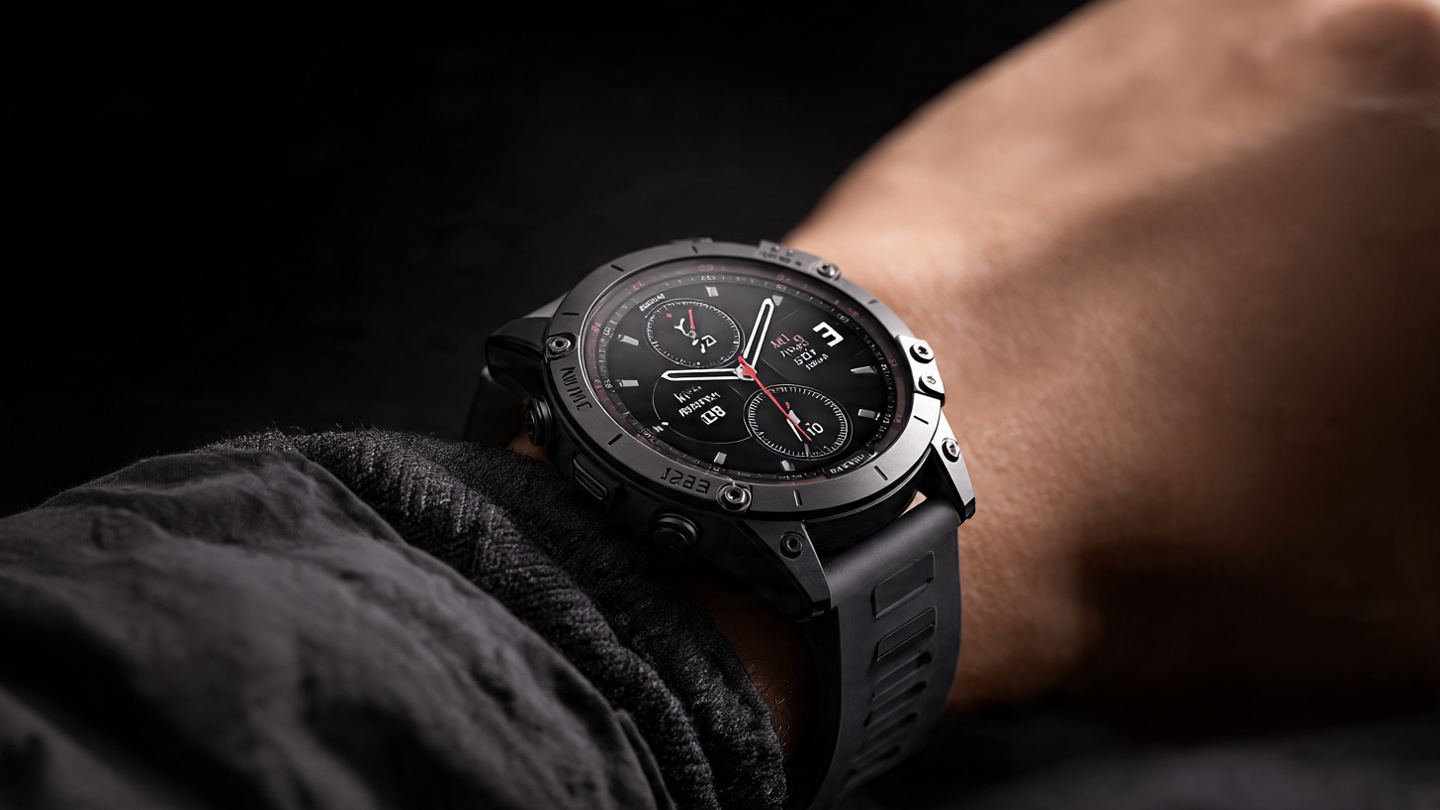
3. Garmin Venu 3 & Fenix 7 PRO – Built for Real Shift Work
Garmin stands out for shift workers due to its manual sleep window adjustment and nap detection.
- Venu 3: Offers 14-day battery life, sleep score analysis, and stress tracking.
- Fenix 7 PRO: Users report 99% sleep tracking accuracy for night shifts, making it one of the most reliable.
While some models struggle with split sleep patterns, the Fenix and Epix Pro 2 series are consistently praised for handling irregular schedules.
Garmin’s ecosystem allows detailed review of sleep stages, HRV trends, and recovery time—critical for managing fatigue over weeks, not just nights.
4. Apple Watch Series 11 – Powerful but Flawed for Shift Workers
The Apple Watch Series 11 offers FDA-authorized sleep apnea screening, ECG, and menstrual cycle tracking. Its integration with iPhone and Health app is unmatched.
But it has two major flaws for night shift workers:
- Battery life (1–2 days) requires frequent charging.
- Auto-sleep detection fails with irregular schedules.
Reddit users and real-world tests confirm tracking inaccuracies. However, pairing it with the AutoSleep app fixes this by analyzing 6-day sleep patterns and improving accuracy significantly.
If you’re already in the Apple ecosystem, this combo is a viable option—just don’t rely on stock features alone.
5. Withings ScanWatch 2 – Longest Battery, Medical-Grade Design
For those who hate charging, the Withings ScanWatch 2 is a game-changer. With 30-day battery life, ECG, and SpO₂ monitoring, it’s built for endurance.
It detects respiratory trends through continuous SpO₂ and TempTech monitoring, making it ideal for spotting sleep apnea or breathing disruptions. It’s FDA-cleared and used by health professionals.
While it lacks smart notifications, its focus on health longevity makes it perfect for shift workers who prioritize reliability over apps.
6. Fitbit Inspire 3 – Best Budget-Friendly Option
The Fitbit Inspire 3 is the top affordable pick. With 7–10 day battery life and sleep stage tracking, it delivers solid value.
Its Sleep Stages feature breaks down light, deep, and REM sleep—helpful for understanding sleep quality. While not as advanced as Whoop or Oura, it’s one of the best budget sleep trackers available.
Ideal for those who want reliable tracking without a high price tag or subscription.
Sleep & Shift Planning Apps That Work With Your Watch
Even the best Smartwatch for Night Shift Workers needs smart software support. Here are the top apps that complete the system:
ShiftSleep: The Ultimate Planner for Nurses & Shift Workers
- Helps plan exact sleep, wake, and caffeine cutoff times.
- Optimizes circadian rhythm for 12-hour or rotating shifts.
- Designed specifically for medical professionals.
SleepSync (Monash University)
- Developed by researchers to improve shift worker sleep.
- Improved total sleep time by 29 minutes and sleep quality for 80% of users.
- Considers work schedules and personal commitments.
Timeshifter
- Used by pilots and healthcare workers.
- 85% of users follow its sleep duration advice.
- Improves sleep quality by 29 minutes per night.
These apps sync with wearables to create personalized, adaptive sleep plans—turning data into actionable habits.
How Wearables Improve Long-Term Health for Shift Workers
Wearable sleep trackers aren’t just gadgets—they’re critical tools for Just-in-Time Adaptive Interventions (JITAI) in nonstandard workers.
Real-Time Data for Last-Minute Changes
Shifts change. Emergencies happen. Real-time health data allows you to adjust sleep, hydration, and recovery on the fly.
Predicting Mental Health Risks
An 800-participant study found that smartwatch data can predict mood disorders by monitoring circadian rhythm disruptions. Digital twin technology estimates circadian phase and spots early signs of depression.
Reducing Health Alerts
A 2025 study (Nature Digital Medicine) showed wearable users had 26% fewer health alerts than controls, with balanced alarm distribution across day, evening, and night.
Clinical-Grade Monitoring Emerges
While PPG sensors vary in accuracy, devices like Oura, Withings, and Apple Watch are closing the gap with clinical tools. However, SpO₂ sensors are not clinical-grade oximeters—they’re screening tools, not diagnostics.
Final Verdict: Which Smartwatch Should You Choose?
Choosing the best Smartwatch for Night Shift Workers depends on your priorities:
- Medical-grade accuracy & long battery? → Oura Ring Gen 4 or Withings ScanWatch 2
- Recovery insights & performance tracking? → Whoop 5.0
- Apple user needing better night shift tracking? → Apple Watch Series 11 + AutoSleep app
- Balanced features, battery, and reliability? → Garmin Venu 3 or Fenix 7 PRO
- Budget-conscious? → Fitbit Inspire 3
No single device is perfect, but all offer tools to reclaim your sleep, protect your health, and thrive—even when your workday starts at midnight.
Your health is your most valuable asset. Investing in the right Smartwatch for Night Shift Workers isn’t just smart—it’s essential.