

In 2026, the choice between Rolex and Titan defines two distinct paths in horology: global luxury investment versus accessible Indian innovation. Rolex remains the undisputed king of status, with prices ranging from ₹3 lakh to ₹30 crore and models like the Daytona commanding secondary market averages of $35,000. Its strategy relies on scarcity, producing only 2,000 watches daily to maintain blue-chip asset status. Conversely, Titan dominates the Indian market with a massive 60% share, offering reliable timepieces from ₹500 to ₹1 lakh. Titan has bridged the quality gap in 2026 by launching ISO 6425-certified professional divers and the world’s slimmest watches, proving that high quality no longer requires a Swiss price tag. If you seek asset appreciation, choose Rolex; if you value everyday style and utility, Titan is the clear winner.
Market Position and Philosophy
The fundamental difference in the Rolex vs Titan debate lies in their core mission and target audience. They are not direct competitors but rather leaders in different leagues of the watch world.
Rolex operates as a luxury powerhouse focused on exclusivity. The brand produces approximately 2,000 watches per day, intentionally limiting supply to drive demand. In 2026, Rolex leverages the scarcity principle, using limited production volumes to ensure its professional models retain blue-chip investment status. Some rare dials, such as those on the Lady-Datejust, have shown up to 22% annual appreciation. The brand targets the ultra-wealthy and collectors who view a watch as a store of value.
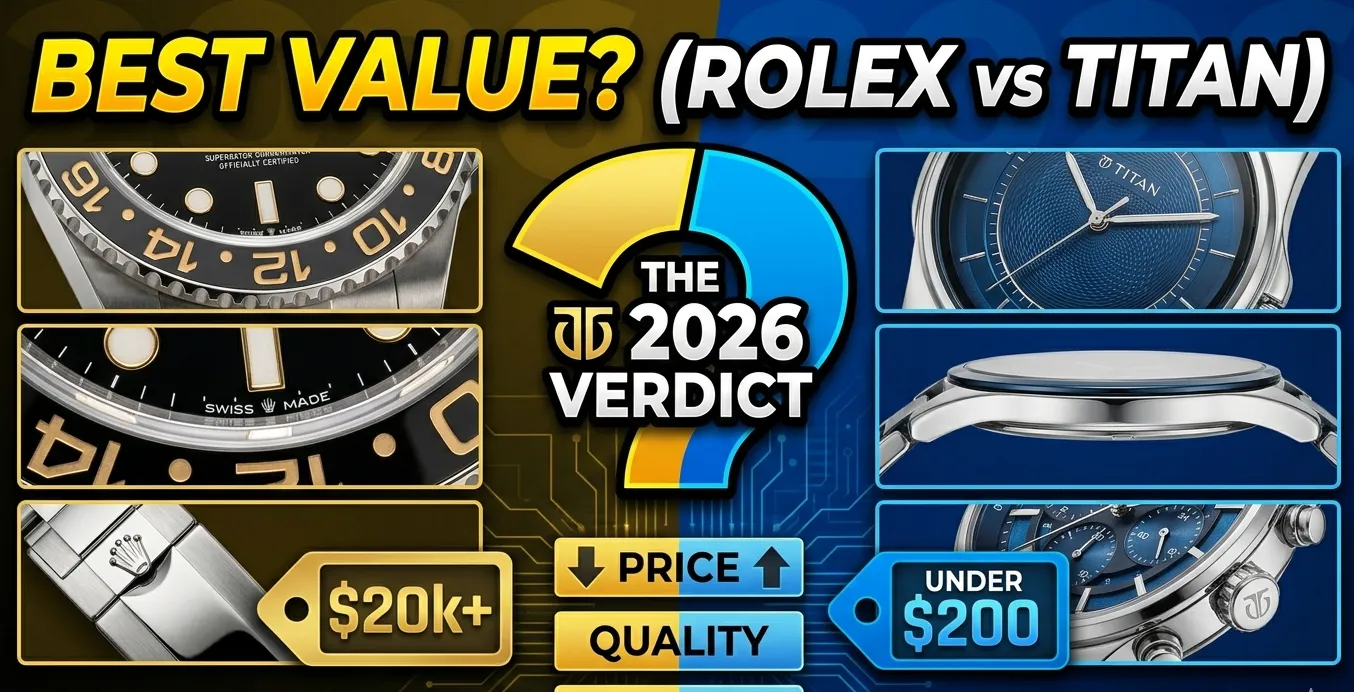
Titan, on the other hand, is a volume leader deeply rooted in the Indian consumer mindset. Holding a dominant 60% market share in India as of 2026, Titan’s philosophy centers on making innovation and fashion accessible to millennials. The company recently crossed ₹75,000 Crores in revenue for the fiscal year 2025-26, demonstrating its massive scale. Unlike Rolex, Titan targets all age groups with varied price points, ensuring there is a quality watch for every wallet, from students to executives.
Price Comparison: Investment vs Accessibility
The most immediate distinction when comparing Rolex vs Titan is the price tag. The financial gap between these two brands is enormous, reflecting their different positions in the market.
Rolex Pricing in 2026
Rolex prices have risen faster than general consumer inflation, with precious metal models seeing steeper jumps than steel ones in 2026. The entry barrier is high, but the potential for value retention is equally significant.
- Entry Level: A standard stainless steel Oyster Perpetual 36 starts around $6,750 (approx. ₹5.6 lakh).
- Sports Models: The iconic Submariner retails for about $10,100, while the popular GMT-Master II “Pepsi” starts at roughly $12,150. However, market prices often exceed retail due to high demand.
- The Daytona Premium: The average market price for a Daytona in 2026 is $35,000, significantly higher than its $16,900 retail price. Specific models like the yellow Rolesor Daytona can cost £19,950, while Everose gold versions hit £47,000.
- Luxury Tier: Exclusive models, such as diamond-paved Day-Date watches, can reach $98,100.
- Overall Range: In India, Rolex prices span from ₹3 lakh to a staggering ₹30 crore.
Titan Pricing in 2026
Titan offers a broad spectrum of pricing that fits everyday budgets while still offering premium options for enthusiasts.
- Entry Level: You can purchase a functional Titan watch for as low as ₹500.
- Mid-Range: Popular analog models like the Regalia or Octane collections typically range between ₹5,295 and ₹13,195. Automatic watches start from ₹8,396.
- Premium Indian Luxury: The high-end Nebula collection, featuring 18KT gold and handcrafted detailing, pushes the upper limit. The new professional “Zero Hour” diver watches range from ₹15,795 to ₹77,995.
- Ultra-Premium: The limited edition Titan Edge Mechanical, India’s slimmest self-winding watch, is priced at ₹2,08,500.
- Overall Range: Titan’s price spectrum sits comfortably between ₹500 and ₹1 lakh for the vast majority of consumers.
Quality and Materials Breakdown
When analyzing Rolex vs Titan on quality, both brands excel but utilize different materials and engineering approaches suited to their specific price points and goals.
Rolex: Proprietary Alloys and Durability
Rolex is famous for creating its own materials to ensure extreme longevity and corrosion resistance.
- Oystersteel: Rolex uses a special grade of 904L steel, which is more corrosion-resistant than the industry-standard 316L steel.
- RLX Titanium: In 2026, Rolex utilizes its proprietary RLX titanium alloy in models like the Yacht-Master and Deepsea. This material is 40% lighter than steel and offers enhanced corrosion resistance. The Deepsea Challenge model, made of this titanium, can withstand depths of 11,000 meters.
- Gold Alloys: Rolex creates its own gold alloys, such as the new “Jubilee Gold” introduced for 2026 Day-Date models, ensuring the color never fades.
- Crystal: All modern Rolex watches feature sapphire crystals with anti-reflective coatings for scratch resistance.
Titan: Craftsmanship and Modern Tech
Titan has evolved from a quartz manufacturer to a serious player in mechanical and advanced material watches, often incorporating Indian craftsmanship.
- Titanium Usage: Titan uses Grade 2 Titanium for its professional “Zero Hour” collection, offering a lightweight and durable case suitable for diving.
- Ceramic Technology: The Titan Edge ceramic watches are created using a scientific firing process involving silicium, yttrium, aluminium, carbide, and zirconium. This results in a premium matte finish that is hypoallergenic.
- Gold Craftsmanship: The Nebula sub-brand focuses on luxury with Indian craftsmanship, featuring 18KT gold cases and handcrafted detailing.
- Glass: While many entry-level models use mineral glass, the premium Edge and Zero Hour collections have upgraded to sapphire crystal with anti-reflective coatings.
Movement and Engineering
The engine inside the watch is where the price difference often becomes most apparent, reflecting the complexity and precision of the engineering.
Rolex Movements
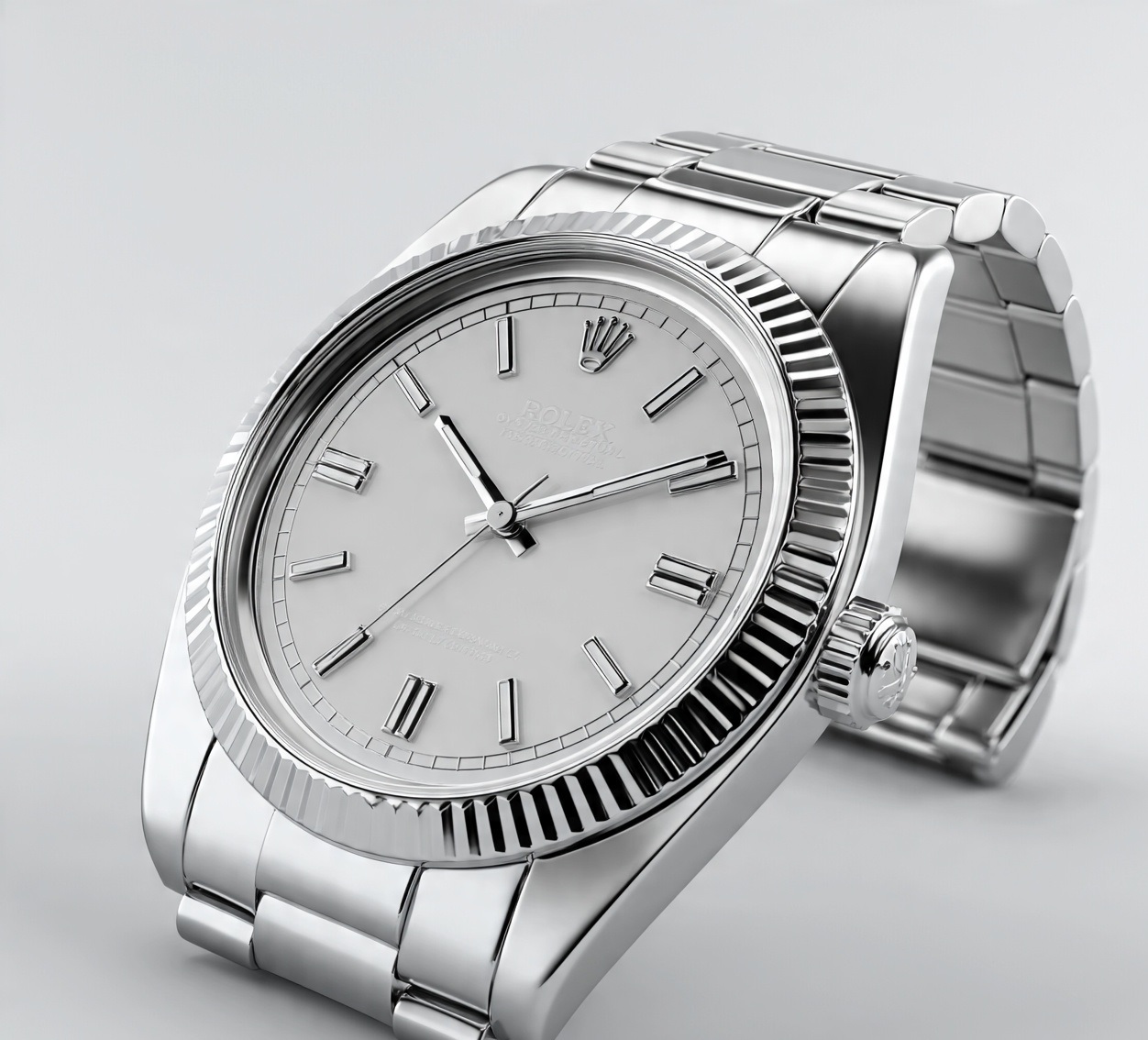
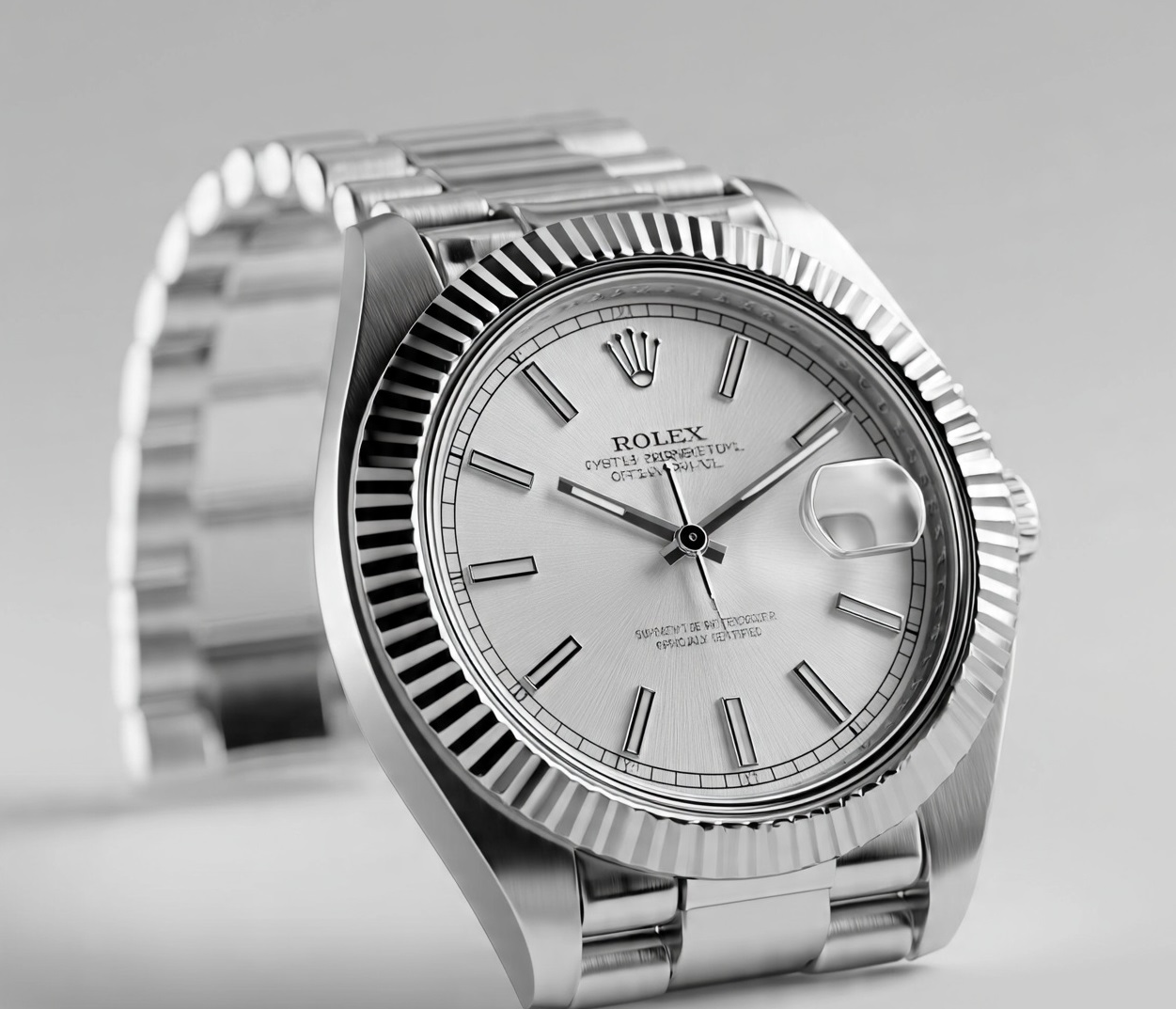
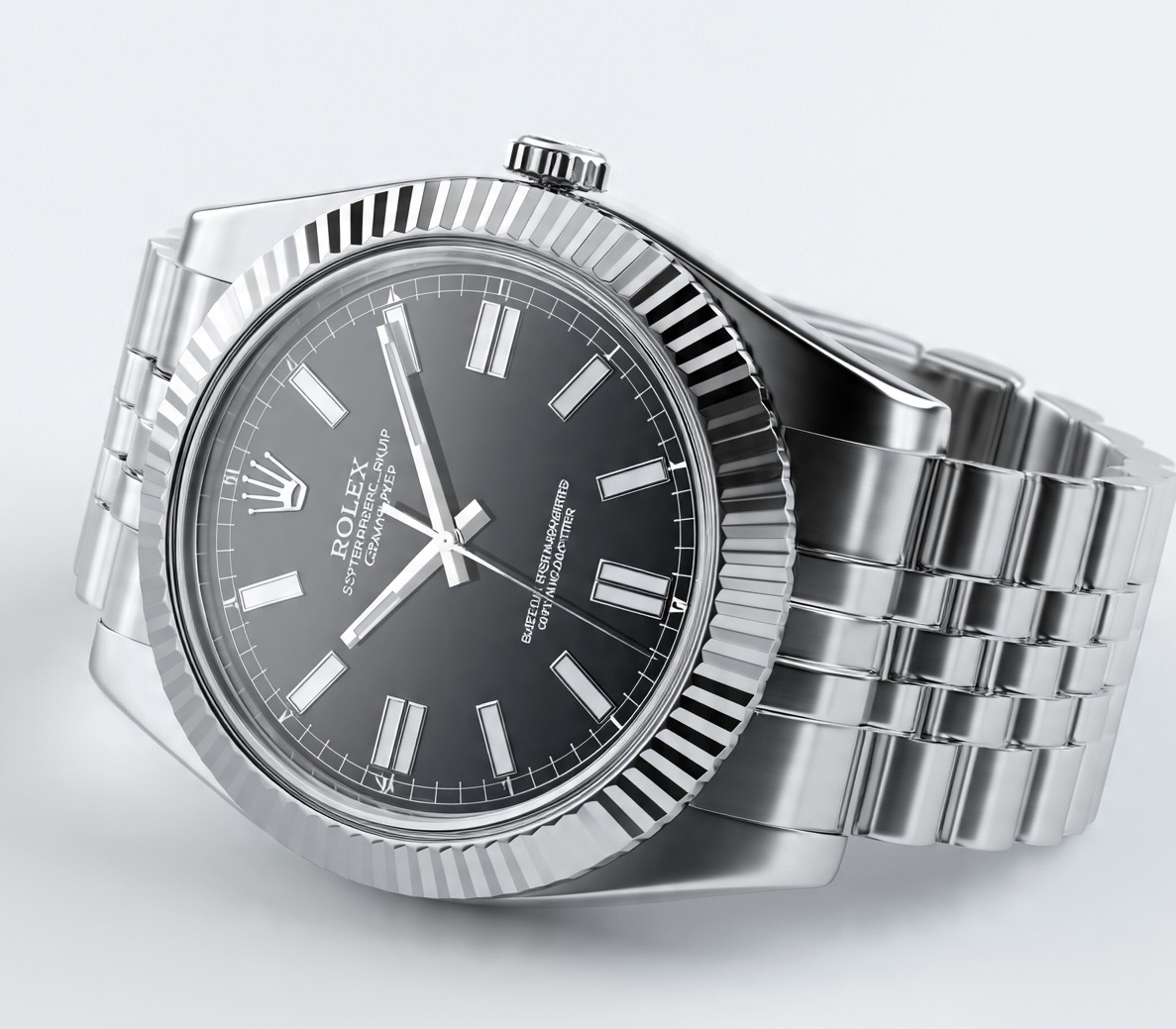
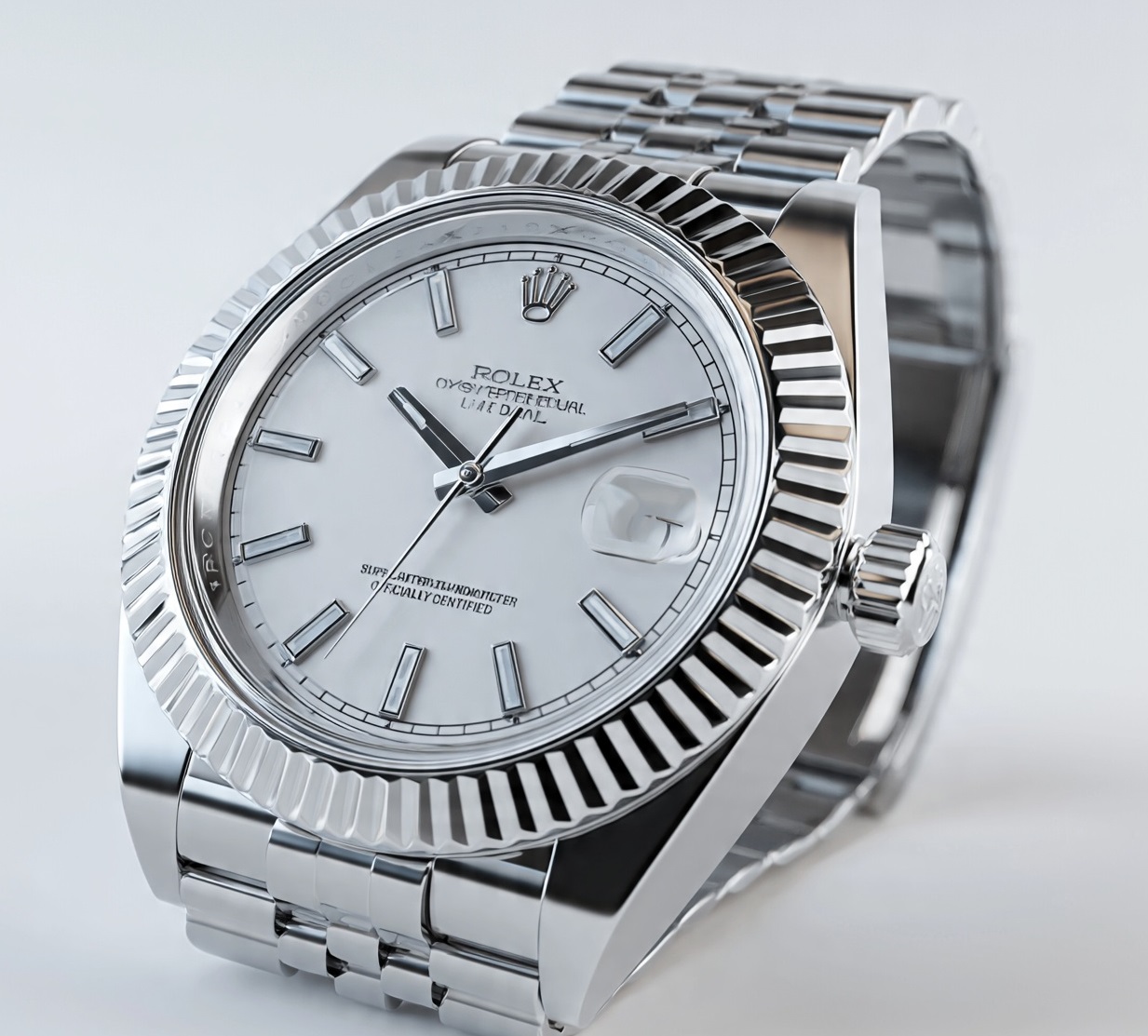
Rolex movements are entirely in-house and renowned for their precision, reliability, and long power reserves.
- Caliber 3235/3230: Found in models like the Oyster Perpetual and Datejust, these movements offer a substantial 70-hour power reserve.
- Caliber 4131/4162: The new Daytona (Cal. 4131) and Yacht-Master II (Cal. 4162) feature open casebacks or complex chronograph functions with power reserves ranging from 70 to 72 hours.
- Advanced Technology: Rolex movements include the Parachrom hairspring for magnetic resistance and the Paraflex shock absorption system, ensuring accuracy even in harsh conditions.
Titan Movements
Titan has made huge strides in developing its own mechanical capabilities, moving beyond simple quartz reliance.
- 7A20-S Automatic: This in-house automatic movement is featured in multiple collections, including the Nexus and Phoenix lines.
- 7AC0 Calibre: The proprietary 7AC0 automatic movement powers the Zero Hour divers, offering a 40-hour power reserve.
- T-9081 Edge Calibre: Developed over 40 years, this proprietary mechanical movement powers the ultra-slim Edge Mechanical limited edition.
- Quartz & Solar: Titan also offers reliable quartz movements and Titan Solar technology, catering to low-maintenance needs for everyday users.
Water Resistance and Features
Both brands offer water-resistant watches, but the ratings and intended uses differ significantly based on the model’s purpose.
Water Resistance Capabilities
Water resistance is a key metric in the Rolex vs Titan comparison, especially for sports and diving enthusiasts.
| Feature | Rolex (2026) | Titan (2026) |
|---|---|---|
| Standard Models | 100m (Oyster Perpetual, Daytona) | 30m – 100m (Neo, Octane) |
| Professional Divers | 300m (Submariner) to 3,900m (Deepsea) | 500m (Zero Hour 500M) |
| Certification | Internal Superlative Chronometer | ISO 6425 (Zero Hour 500M) |
| Testing Margin | 10% (standard), 25% (diving) | Meets ISO standards |
| Crown System | Twinlock (100m), Triplock (diving) | Aqua Lock bezel (Zero Hour) |
Rolex Details:
- Standard Models: The Oyster Perpetual and Daytona are water-resistant to 100 meters (330 feet), making them safe for swimming and snorkeling.
- Professional Divers: The Submariner is rated for 300 meters, the Sea-Dweller for 1,220 meters, and the Deepsea for an extreme 3,900 meters.
- Testing: Rolex tests its standard watches to 10% above their rating and diving watches to 25% above, ensuring a significant safety margin.
Titan Details:
- Everyday Wear: Most standard Titan analog watches offer water resistance between 30m and 100m, suitable for splashes, rain, and hand washing.
- Professional Divers: The new “Zero Hour” collection is a game-changer. The Zero Hour 500M is ISO 6425 certified for professional diving up to 500 meters. It features an Aqua Lock bezel system and Super LumiNova X1 grade lume for underwater visibility.
- Testing: The Zero Hour 500M meets strict ISO 6425 standards, a benchmark previously dominated by Swiss brands.
Design and Aesthetics
Design philosophy further separates the two brands, with Rolex focusing on timelessness and Titan on cultural relevance.
- Rolex: Designs are iconic and conservative. The 2026 releases include the “Rolesium” Daytona with a white enamel dial and the Oyster Perpetual 41 with a “100 Years” inscription on the dial. The focus is on timeless recognition.
- Titan: Designs are diverse and culturally rooted.
- Raga: Features Indian-inspired designs with rose-gold tones, specifically for women.
- Nebula: Showcases luxury with Indian craftsmanship, such as the “Genesis Starburst” design piece.
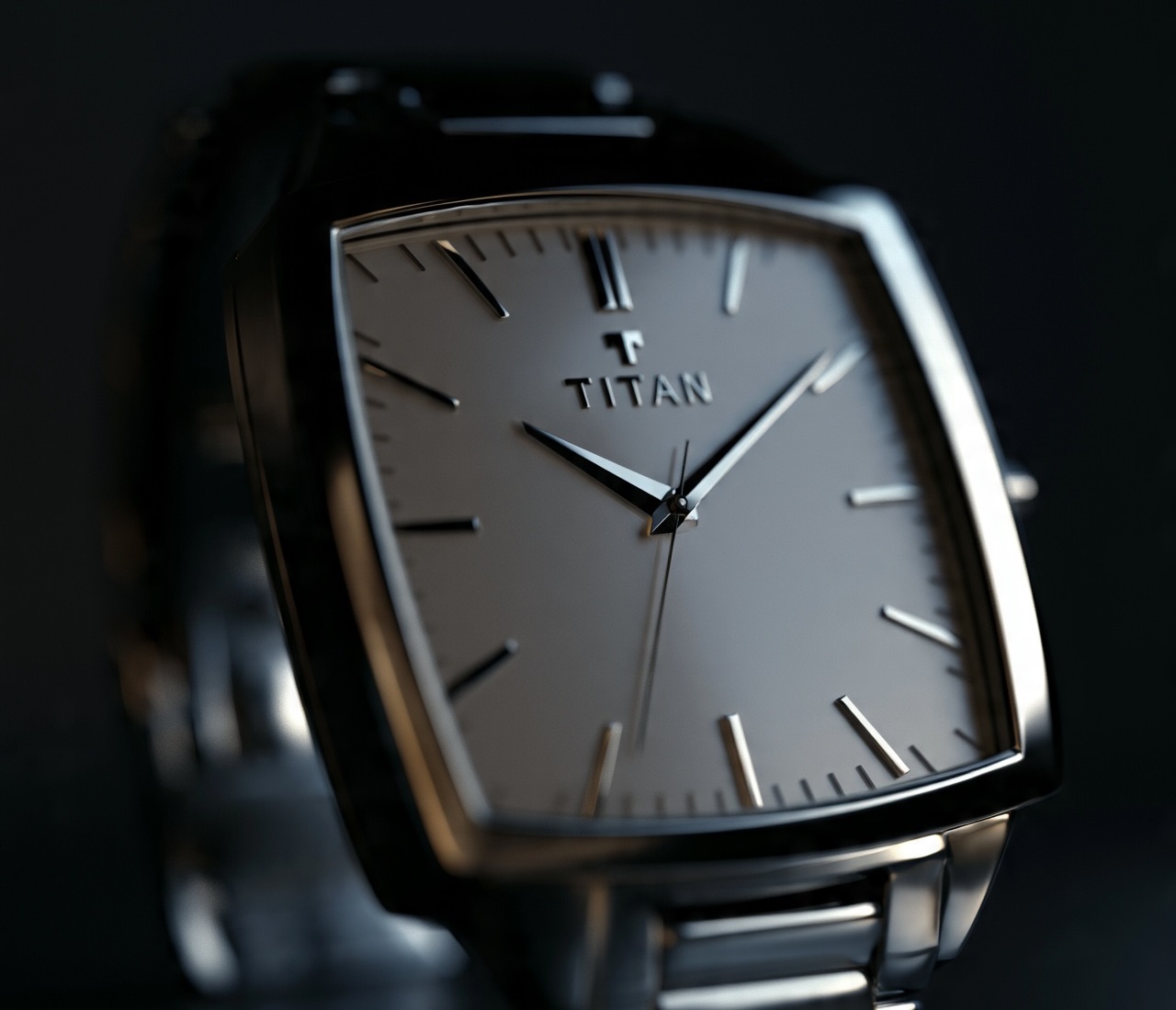
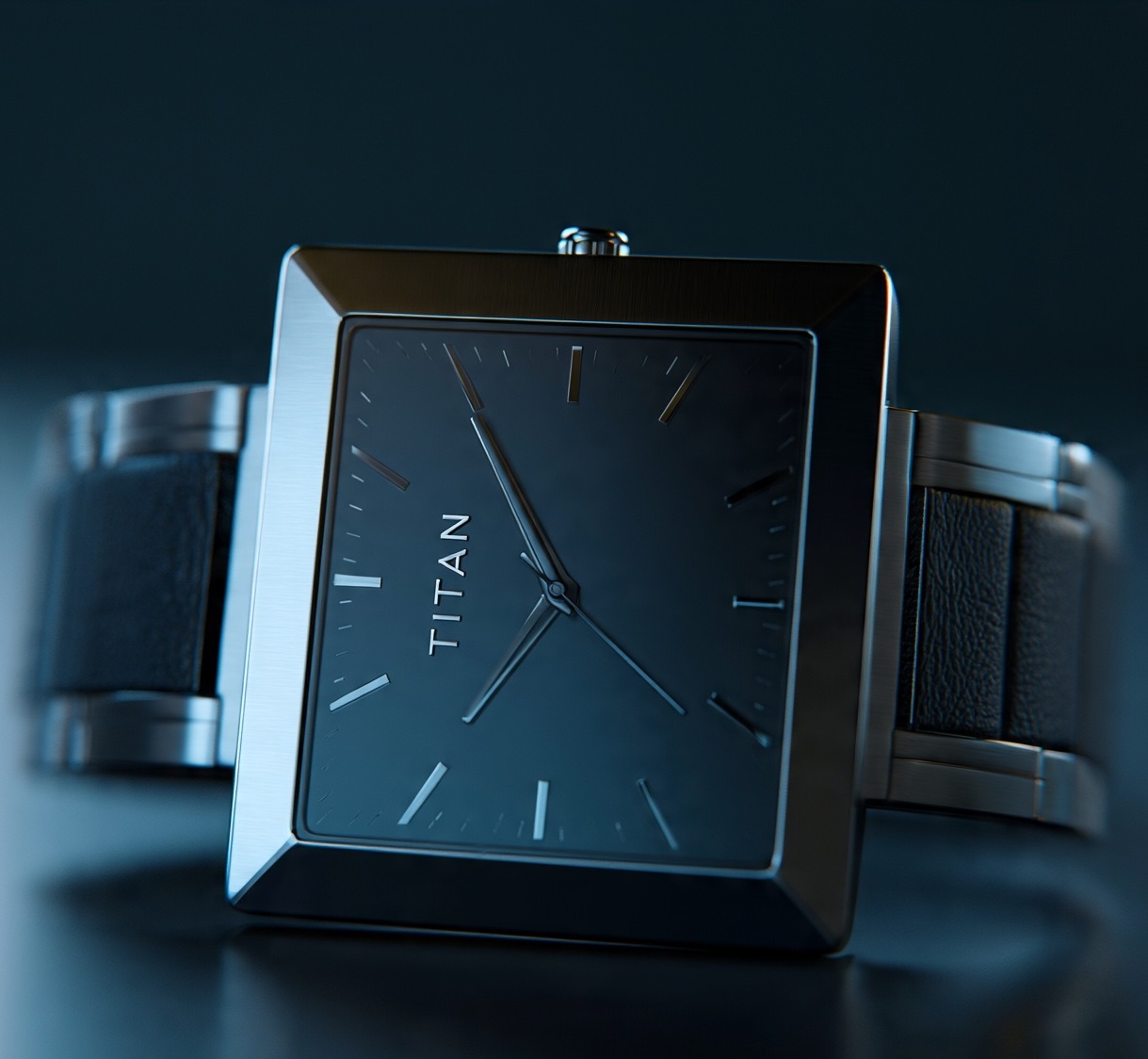
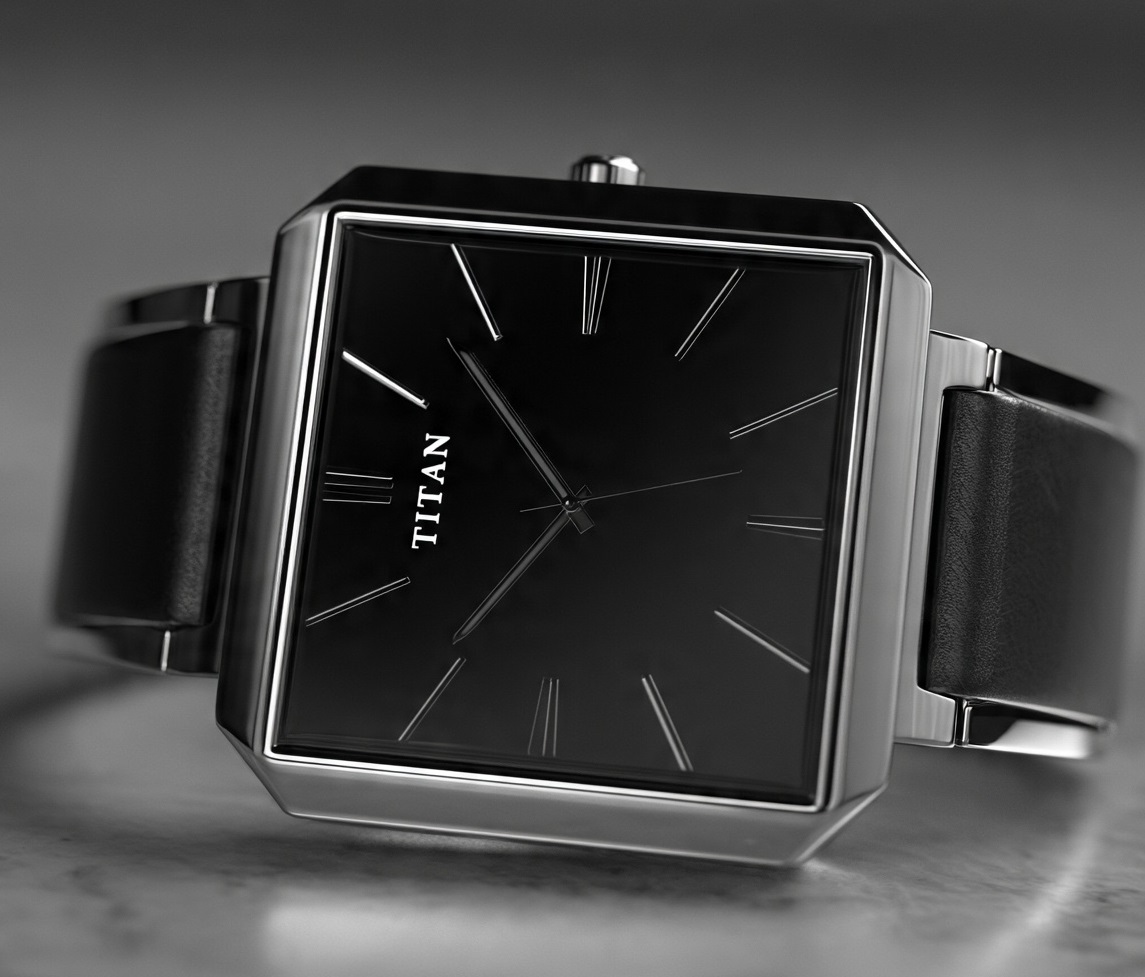
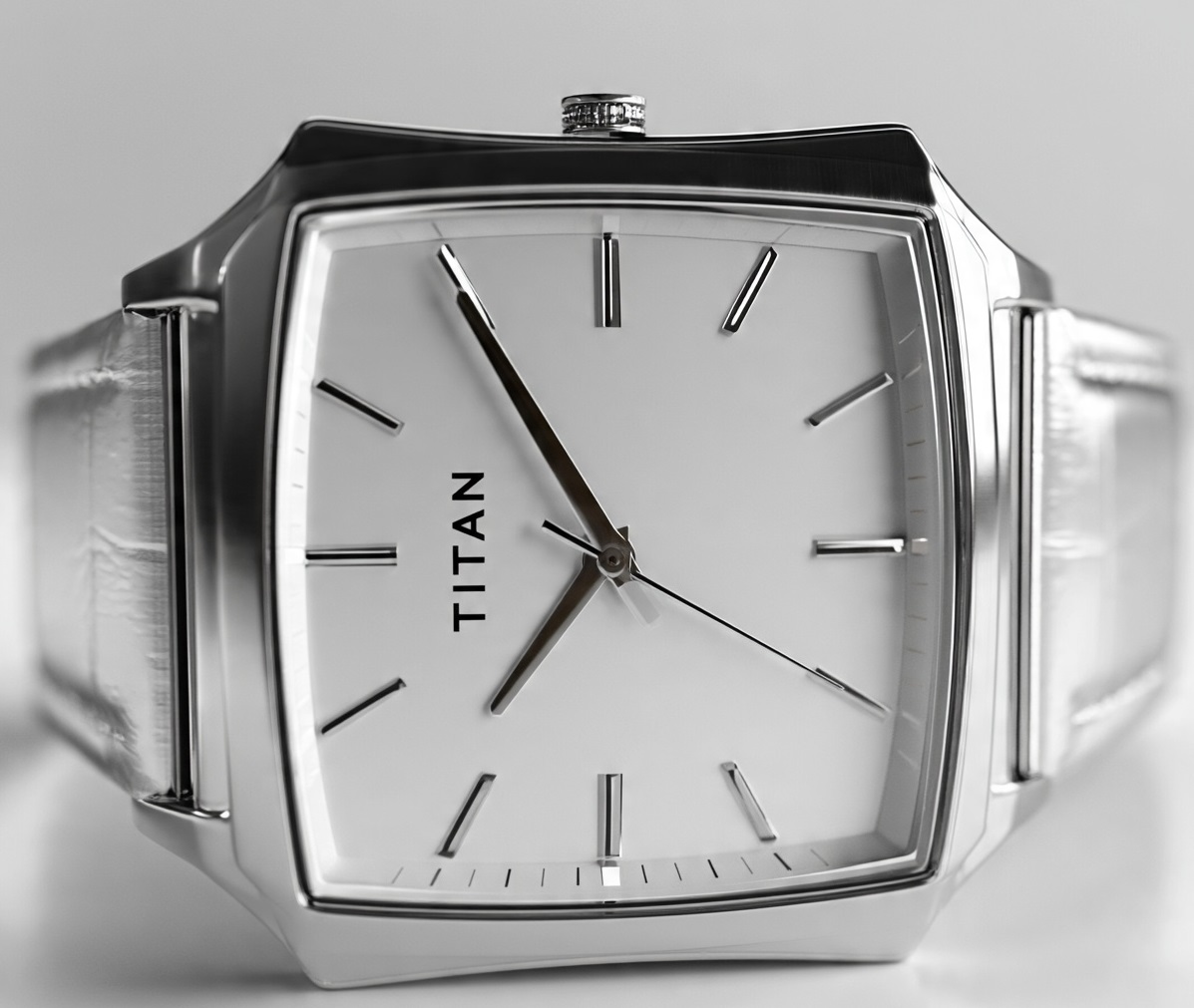
- Edge: Holds the record for the world’s slimmest watch at 3.5mm thickness (quartz) and 4.4mm (ceramic).
- Automatics: Collections like “Yin Yang” and “Phoenix” feature unique skeletal cuts inspired by cultural symbols.
Investment Value and Resale Market
This is a critical factor in the Rolex vs Titan comparison, as it dictates whether the purchase is an expense or an asset.
Rolex as an Asset:
Rolex watches are often treated as financial assets. In 2026, the secondary market is highly transparent and data-driven.
- Appreciation: Certain models, like the Lady-Datejust with rare dials, have shown 22% annual appreciation.
- Discontinuation Spikes: The 2026 discontinuation of the stainless steel “Pepsi” GMT-Master II created a 40% price increase in the secondary market.
- Premiums: In-demand references often sell for 8-15% above their original MSRP. The average market price for a Daytona can range from $17,000 to over $400,000 for rare platinum models.
- Market Maturity: The Rolex secondary market has matured into a highly transparent ecosystem where condition is the single largest value multiplier.
Titan as a Consumer Good:
Titan watches are primarily consumer goods meant for enjoyment rather than investment.
- Depreciation: Like most non-luxury cars or electronics, Titan watches generally depreciate once purchased. There is no significant secondary market premium for standard models.
- Value Retention: While limited editions like the Gukesh Dommaraju Grandmaster or the Edge Mechanical may hold value better due to scarcity, they do not typically appreciate like Rolex.
- Service Network: Titan’s value lies in its massive after-sales service network spanning India, ensuring long-term usability rather than resale profit.
Who Should Buy What in 2026?
The Rolex vs Titan debate isn’t about which brand is “better” in a vacuum; it’s about which brand is better for you and your specific needs.
Choose Rolex If:
- You want an investment: You are looking for a watch that might increase in value over time.
- Status matters: You want a globally recognized symbol of success and luxury.
- Extreme durability is needed: You require a tool watch for deep-sea diving (up to 3,900m) or extreme environments.
- Budget is flexible: You are willing to spend upwards of ₹5-6 lakhs for an entry-level piece and potentially much more.
Choose Titan If:
- You want value for money: You seek high-quality features like sapphire crystal, titanium cases, and automatic movements for under ₹1 lakh.
- You love Indian design: You appreciate watches that reflect Indian culture, such as the Raga or Nebula collections.
- You need variety: You want options ranging from sporty chronographs to the world’s slimmest dress watches.
- Everyday reliability: You want a watch with a strong service network across India for easy maintenance.
Limitations & Unknowns
While this guide covers extensive data, specific water resistance testing protocols for every single 2026 Rolex model beyond the standard ISO margins are not publicly detailed by the manufacturer. Additionally, detailed future product line expansions for Titan beyond the announced Zero Hour and Edge collections remain subject to change based on market response.
In short: Buy Rolex to build wealth and prestige. Buy Titan to enjoy style, innovation, and Indian craftsmanship. Both brands offer excellence in 2026, just at very different price points.