

Modern smartwatches now offer clinically validated health monitoring, and understanding what health features do smart watches have reveals a shift from basic fitness tracking to advanced medical-grade tools. These include ECG for atrial fibrillation detection, SpO₂ tracking with up to 98.7% accuracy, continuous heart rate monitoring, sleep apnea screening, and medical-grade blood pressure measurement in select models.
Devices like the Apple Watch Series 9, Huawei Watch D2, and Withings ScanWatch are evolving beyond fitness trackers into proactive health guardians. They can detect early signs of disease and support remote patient monitoring, with FDA clearance for ECG and CE MDR certification for ambulatory blood pressure.
While heart rate and ECG show high concordance with clinical devices—Apple Watch Series 8 shows minimal bias in SpO₂ and heart rate—sleep staging and SpO₂ remain supportive tools rather than diagnostic replacements. Accuracy varies by brand, with Apple and Withings leading in reliability.
Regulatory distinctions between wellness and medical devices are tightening. AI is now enabling prediction of clinical biomarkers like fasting glucose and hemoglobin from wearable data, pushing devices toward clinical integration.
As data privacy laws classify heart rate, skin temperature, and sleep patterns as sensitive personal information, users must weigh benefits against potential misuse—especially since most consumer wearables fall outside HIPAA protections.
The Evolution of Smartwatches: From Gadgets to Health Guardians
Smartwatches have transitioned from notification hubs to essential health monitoring tools, driven by advances in sensor technology and AI-driven analytics. Just a decade ago, step counting and call alerts defined their utility. Today, they incorporate medical-grade sensors capable of recording electrocardiograms, measuring blood oxygen saturation, and even monitoring blood pressure continuously.
This shift has been fueled by rising consumer demand for preventive healthcare and the growing burden of chronic diseases like hypertension, diabetes, and cardiovascular disorders. Manufacturers now collaborate with healthcare institutions to validate their algorithms, ensuring clinical relevance. For example, the Huawei Heart Study demonstrated over 92.8% confirmation rate for AFib episodes detected by its watch, influencing European Society of Cardiology guidelines.
Wearables are no longer passive data loggers—they actively contribute to early diagnosis and remote care. Studies show that smartwatch-based AFib screening detects arrhythmias four times more effectively than standard care, with over half of detected cases being asymptomatic. This underscores their role not just in fitness, but in life-saving early intervention.
Core Health Features of Modern Smartwatches
Modern smartwatches integrate a suite of health-tracking capabilities that span cardiovascular, respiratory, reproductive, and neurological domains. These features are supported by multi-sensor systems including photoplethysmography (PPG), electrocardiogram (ECG), accelerometers, gyroscopes, and temperature sensors.
Heart Rate Monitoring: The Foundation of Wearable Health
Heart rate monitoring is the most widely adopted and clinically validated feature in smartwatches, using PPG sensors to detect blood volume changes via green light absorption.
- Optical sensors emit light into capillaries and measure reflected intensity to calculate beats per minute
- Accuracy reaches 98% for Apple Watch Series 8 compared to clinical standards
- High and low heart rate alerts notify users of potential arrhythmias or bradycardia
- Resting heart rate trends help assess cardiovascular fitness over time
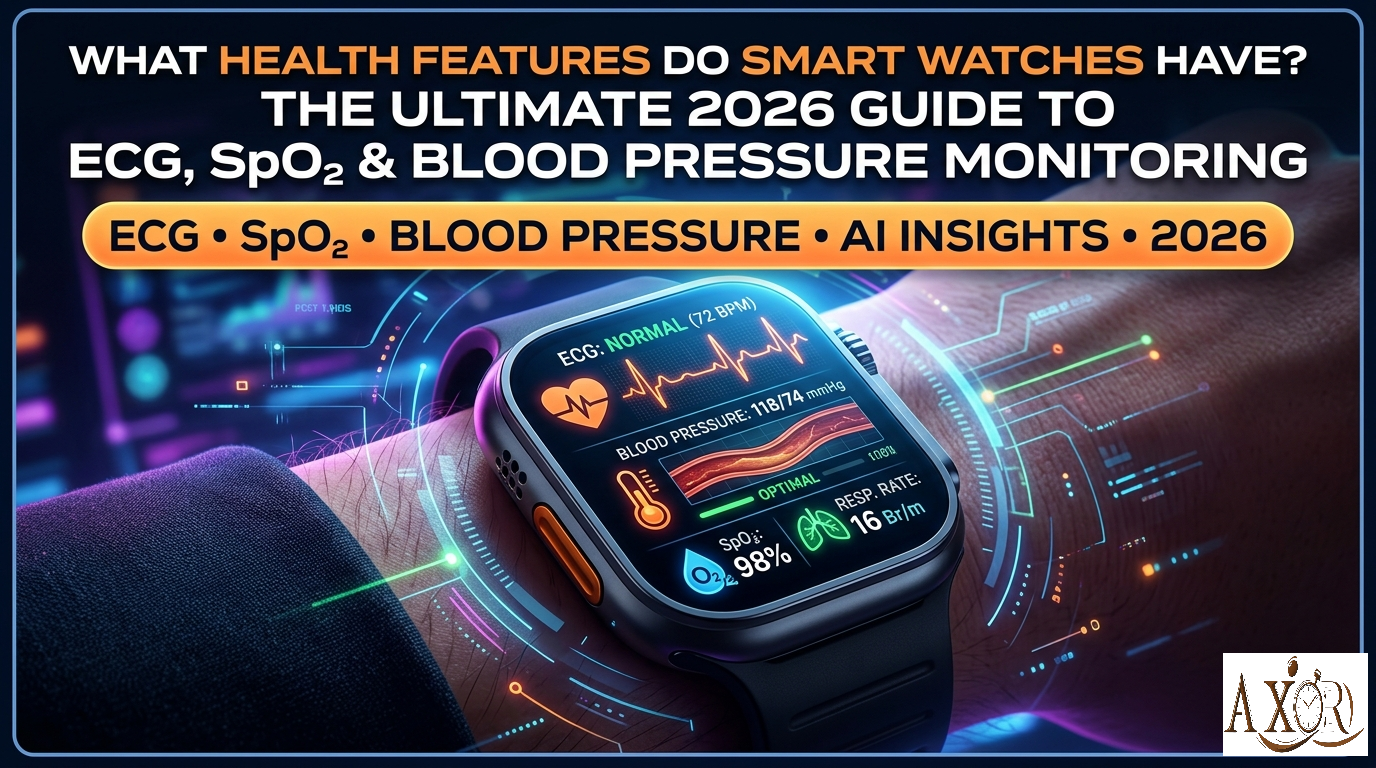
While reliable during steady-state activity, optical sensors can lag during high-intensity workouts due to motion artifacts. However, AI algorithms increasingly compensate for signal noise, improving real-world usability.
Electrocardiogram (ECG): Bringing Clinical-Grade Monitoring to the Wrist
ECG functionality allows users to record a single-lead electrocardiogram in 30 seconds, aiding in the detection of atrial fibrillation (AFib), one of the leading causes of stroke.
| Feature | Apple Watch | Samsung Galaxy Watch | Withings ScanWatch |
|---|---|---|---|
| ECG Approval Status | FDA-cleared, CE-marked, TGA-approved | FDA-cleared, CE-marked, TGA-approved (Watch 3+) | CE-marked, FDA-cleared |
| Detection Capability | AFib, sinus rhythm | AFib, bradycardia, tachycardia | AFib, arrhythmia screening |
| Sensitivity for AFib | 89.6% (Series 5) | Varies by model | Up to 91.6% |
| Specificity for AFib | 92.1% (Series 5) | Not publicly disclosed | 98.5% (internal studies) |
| Required Recording Time | ≥15 seconds | ≥30 seconds | ≥30 seconds |
Studies confirm that smartwatch ECGs achieve 91.6% to 98.5% specificity for AFib detection. When combined with clinician review, sensitivity rises to 94.4%. The Apple Watch has detected 21 AFib cases in 6 months versus 5 in standard care groups, demonstrating superior screening efficacy.
However, these devices are not diagnostic tools. No physician relies solely on smartwatch ECGs for diagnosis. Instead, they serve as screening aids that prompt further evaluation using 12-lead ECGs or Holter monitors.
Blood Oxygen (SpO₂) Monitoring: Tracking Respiratory Health
SpO₂ sensors use red and infrared light to estimate the percentage of oxygen-saturated hemoglobin in the blood, helping detect hypoxemia and sleep apnea.
- Most smartwatches sample SpO₂ intermittently or during sleep
- Useful for identifying nocturnal desaturation linked to obstructive sleep apnea
- Provides directional trends rather than absolute clinical values
Clinical validation studies reveal significant variation across brands:
| Device | Mean Bias (vs. Reference) | RMSE | Study Sample Size | Date Published |
|---|---|---|---|---|
| Apple Watch Series 8 | -0.1% (±0.4%) | 2.2% | 52 participants | 2024-03-15 |
| Withings ScanWatch | +0.4% (±0.1%) | 0.4% | 52 participants | 2024-02-20 |
| Samsung Galaxy Watch 5 | -2.6% (±2.9%) | 2.6% | 52 participants | 2023-11-10 |
| GE Medical Monitor (Reference) | -0.01% (±2.45 SD) | 2.45 | N/A | N/A |
Apple and Withings show strong concordance with clinical devices, while Samsung consistently underestimates SpO₂ levels. Medical-grade oximeters maintain ±2% accuracy using transmittance technology, whereas smartwatches use reflectance PPG, which is more prone to motion artifact.
Despite limitations, SpO₂ monitoring adds valuable context—especially for high-altitude athletes or individuals with respiratory conditions.
Sleep Tracking: Beyond Duration to Quality and Apnea Detection
Modern sleep tracking goes beyond total hours slept to analyze sleep architecture and detect disruptions.
- Tracks light, deep, and REM stages using heart rate, movement, and oxygen levels
- Nap detection improves daily recovery insights
- Oxygen level trends help flag potential sleep apnea events
- Some models include snoring detection via microphone integration
While not equivalent to polysomnography—the gold standard for sleep studies—smartwatch data correlates well with research-grade sensors (r = 0.861–0.970). Sleep stage tracking remains an educated guess, but long-term trend analysis helps users optimize sleep hygiene.
Devices like the Fitbit Sense and Apple Watch use oxygen desaturation events during sleep to prompt medical evaluation, contributing to early diagnosis of obstructive sleep apnea.
Skin Temperature and Menstrual Cycle Tracking
Skin temperature monitoring enables personalized insights into hormonal cycles and overall wellness.
- Detects subtle fluctuations in wrist temperature linked to ovulation
- Combined with heart rate and activity data for improved cycle prediction
- Alerts for deviations that may indicate illness or hormonal imbalance
Brands like Huawei and Garmin use this data to support fertility planning and reproductive health management. While not diagnostic, these insights empower users with greater bodily awareness.
Fall and Crash Detection: Lifesaving Emergency Alerts
Safety-focused features leverage motion sensors and AI to protect vulnerable users.
- Accelerometers and gyroscopes detect sudden impacts or loss of balance
- GPS integration shares location with emergency contacts
- Automatic SOS calls if no response within 30–60 seconds
These features are particularly valuable for seniors and individuals with mobility challenges. Real-world cases show fall detection triggering life-saving responses when users were unable to call for help.
Stress and Readiness Tracking
Chronic stress contributes to heart disease, anxiety, and burnout—making stress monitoring a critical preventive tool.
- Uses electrodermal activity (EDA) scans to detect sweat gland activity
- Analyzes heart rate variability (HRV) for autonomic nervous system balance
- Generates daily stress and readiness scores
- Offers guided breathing exercises for real-time stress reduction
Garmin’s Body Battery metric combines HRV, sleep, and activity to estimate energy reserves, helping users avoid overtraining and burnout.
Blood Pressure Monitoring: The Frontier of Wearable Health
Until recently, accurate blood pressure measurement required cuff-based devices. Now, medical-grade smartwatches offer continuous monitoring.
Huawei Watch D2
- Features inflatable airbag for oscillometric measurement
- Accuracy within ±3mmHg vs. clinical sphygmomanometers
- CE MDR and NMPA certified for 24-hour ambulatory blood pressure monitoring (ABPM)
- Data exportable as PDF reports for physicians
Xiaomi Blood Pressure Watch
- Class II medical device registration in China
- Validated with North China Medical Centre
- 3mmHg accuracy with color-coded alerts (red/yellow/green)
These devices represent a paradigm shift, allowing hypertension patients to monitor trends without frequent cuff inflations.
Activity and Fitness Tracking
Beyond clinical metrics, smartwatches promote physical activity through comprehensive fitness tools.
- Step counting validated with >90% correlation to research standards
- Calorie tracking using metabolic algorithms
- GPS and altimeter for route and elevation mapping
- 100+ sports modes with auto-detection
- Sedentary reminders to reduce prolonged sitting
Studies show smartwatches improve physical activity adherence in rehabilitation settings, with 52% better bone stimulus tracking post-knee surgery.
Remote Patient Monitoring and Chronic Disease Management
Smartwatches are transforming chronic care through real-time data sharing.
- Patients submit ECG data twice daily post-discharge (e.g., after TAVR)
- Electrophysiologists review tracings for early arrhythmia detection
- Reduces hospitalizations for heart failure (RR 0.75) and COPD
- Enables frailty detection with 79.3% accuracy using ScanWatch models
Wearables also predict clinical test results—combining step count, skin temperature, and HRV to estimate fasting plasma glucose, hemoglobin, and monocyte counts.
Accuracy and Clinical Validation: How Reliable Are Smartwatch Metrics?
While not replacements for medical devices, smartwatches demonstrate increasing clinical reliability through peer-reviewed validation.
Validated Performance Benchmarks (2024–2026)
| Metric | Device | Accuracy / Bias | Validation Method | Source |
|---|---|---|---|---|
| Heart Rate | Apple Watch Series 8 | 98% accuracy | vs. clinical ECG | Nature Scientific Reports (2024) |
| SpO₂ | Apple Watch 8 | -0.1% mean bias (±0.4%) | Full 70–100% range | PMC10674783 (2023) |
| SpO₂ | Withings ScanWatch | +0.4% mean bias (±0.1%) | 95% LOA: -6.5% to 7.2% | PMC10651546 (2023) |
| SpO₂ | Samsung Galaxy Watch 5 | -2.6% mean bias (±2.9%) | Significant underestimation | PMC12063813 (2023) |
| ECG for AFib | Apple Watch | 89.6% sensitivity, 92.1% specificity | vs. Holter monitor | PMC11270444 (2023) |
| Step Count | Apple Watch 6 | MAPE 6.4% | vs. reference pedometer | PMC11281039 (2023) |
| Step Count | Samsung Galaxy Watch 4 | MAPE 10.5% | vs. reference pedometer | PMC11281039 (2023) |
Heart rate and SpO₂ show strong agreement with clinical devices, though Samsung lags in SpO₂ accuracy. ECG performance is robust for AFib screening but limited for other arrhythmias like LBBB (61% sensitivity).
Sensor accuracy may degrade over time due to lens fouling or skin contact issues, though longitudinal studies on degradation remain limited.
Medical vs. Wellness Devices: Understanding the Regulatory Landscape
Regulatory classification determines whether a smartwatch feature is considered medical or wellness-oriented.
Key Regulatory Standards
| Region | Regulatory Body | Classification Criteria | Example Approvals |
|---|---|---|---|
| USA | FDA | 510(k) clearance for Class II devices (ECG, BP) | Apple Watch ECG, Huawei Watch D2 |
| EU | MDR (CE Marking) | Software with diagnostic intent = Class IIa+ | Huawei Watch D2, Withings ScanWatch |
| India | CDSCO | Class B/C for vital monitoring | Samsung Galaxy Watch 6 (BP, ECG) |
| China | NMPA | Class II registration | Xiaomi Blood Pressure Watch |
The FDA’s 2026 update clarifies that outputs mimicking clinical values (e.g., blood pressure readings) require validation if intended for health assessment—even if labeled as wellness.
In contrast, general heart rate tracking and step counting do not require clearance, as they are deemed low-risk wellness functions.
Data Privacy: Your Health Data Is Sensitive
Wearable-derived health metrics are now classified as sensitive personal information under major privacy laws.
- U.S. (CCPA, state laws): Grants opt-out rights for sale of biometric data
- EU (GDPR, MDR): Requires data minimization, purpose limitation, DPIAs
- India (DPDP Act): Mandates free, specific, informed consent
The FTC has signaled enforcement against apps that share heart rate, sleep, and location data with third parties—some transmitting data to 76 external entities.
HIPAA does not cover most consumer wearables, leaving users dependent on corporate policies. Stronger federal legislation is needed to close this gap.
The Future of Smartwatch Health Features
Next-generation smartwatches will expand clinical capabilities through non-invasive sensing and AI integration.
Emerging Innovations
- Non-invasive glucose monitoring: Early prototypes using optical sensing
- Core body temperature: Estimated via thermal modeling and skin sensors
- Advanced ECG analysis: Detection of ischemic changes and ST-segment elevation
- AI biomarker prediction: Forecasting hemoglobin, HCT, and fasting glucose
- ECG history tools: Long-term rhythm trend analysis (Apple Watch Series 10)
- Integration with EHRs: Seamless data flow to electronic health records
Devices like the CardiacSense watch already offer 24/7 AFib detection with FDA clearance and real-time physician alerts, setting the standard for medical wearables.
My Final Point : What Health Features Do Smart Watches Have?
To directly answer the question: what health features do smart watches have? They now include:
- ✅ Heart rate and HRV monitoring with up to 98% accuracy
- ✅ ECG for AFib detection with FDA and CE clearance
- ✅ Blood oxygen (SpO₂) sensing with Apple and Withings showing high reliability
- ✅ Sleep stage and apnea analysis using oxygen trends and movement
- ✅ Skin temperature and menstrual tracking for reproductive health
- ✅ Fall and crash detection with GPS-enabled emergency alerts
- ✅ Stress and readiness scores via EDA and HRV
- ✅ Medical-grade blood pressure monitoring in Huawei and Xiaomi models
- ✅ Activity and fitness tracking with 100+ sports modes
- ✅ Remote patient monitoring for heart failure, COPD, and post-surgical care
While not diagnostic tools, smartwatches serve as powerful early warning systems and self-management aids. With increasing regulatory oversight, clinical validation, and integration into healthcare systems, they are poised to play a central role in the future of preventive and personalized medicine.
As technology advances, the line between consumer wellness and clinical care will continue to blur—making the smartwatch not just a device on your wrist, but a guardian of your health.
FAQ (What Health Features Do Smart Watches Have)
What health features do smart watches have?
Modern smartwatches offer ECG for atrial fibrillation detection, SpO₂ tracking, continuous heart rate monitoring, sleep apnea screening, skin temperature sensing, fall detection, stress tracking via HRV, and medical-grade blood pressure in select models like Huawei Watch D2.
Can smartwatches detect heart problems?
Yes—smartwatches can detect irregular heart rhythms like atrial fibrillation (AFib) using ECG and PPG sensors. Devices from Apple, Samsung, and Fitbit have FDA clearance for AFib alerts, but they don’t diagnose heart attacks or replace clinical equipment.
Do smartwatches measure blood pressure?
Only select models like the Huawei Watch D2 and Xiaomi Blood Pressure Watch offer built-in blood pressure monitoring with medical certification (CE MDR, NMPA). Most others require pairing with external cuffs.
Can a smartwatch detect low oxygen levels?
Yes—SpO₂ sensors in Apple Watch, Samsung Galaxy Watch, and Garmin devices track blood oxygen levels, especially during sleep. Accuracy varies; Apple and Withings show minimal bias (±0.4%), while some Samsung models underreport.
Do smartwatches detect sleep apnea?
Yes—Apple Watch, Samsung Galaxy Watch, and Withings ScanWatch use oxygen desaturation, heart rate variability, and snoring detection to flag potential sleep apnea events, prompting users to seek medical evaluation.
Can smartwatches check blood sugar?
No—despite claims, no smartwatch can accurately measure blood glucose non-invasively.
The FDA has warned against devices making such claims. Diabetics should continue using approved glucose monitors.
Do smartwatches monitor stress levels?
Yes—via heart rate variability (HRV), skin temperature, and EDA (electrodermal activity). Apple, Garmin, and Fitbit provide stress scores and guided breathing exercises to help manage daily stress.
Can a smartwatch detect a stroke?
Not directly—but by identifying AFib (a major stroke risk factor), smartwatches enable early intervention. Alerts should prompt medical consultation, not self-diagnosis.
Do smartwatches track menstrual cycles?
Yes—Apple Watch, Samsung Galaxy Watch, and Fitbit use skin temperature, heart rate, and user input to predict ovulation and cycle phases, improving reproductive health awareness.
Are smartwatch health readings accurate?
Heart rate and ECG are highly accurate (Apple Watch: 98% HR accuracy). SpO₂ and sleep staging are supportive tools. Medical-grade devices like Huawei Watch D2 meet clinical standards for blood pressure, but most wearables are wellness-focused, not diagnostic.

